The Sea of Galilee - known in Hebrew as the Kinneret - is Israel's largest freshwater lake, sitting around 210 meters below sea level in the Lower Galilee region. Hotels in central Tiberias place you within direct reach of the waterfront promenade, the ancient hot springs, and key religious and historical sites that draw visitors from across the world. This guide covers five centrally located hotels near the Sea of Galilee, comparing their actual positions, facilities, and what each one genuinely delivers for different travel needs.
What It's Like Staying Near the Sea of Galilee
Staying near the Sea of Galilee means you are based in or around Tiberias, a compact lakeside city where the waterfront promenade is the social and geographic spine. The city is walkable in its core, but the terrain rises steeply inland, so elevation matters - hotels on or near the promenade keep you flat and lake-adjacent, while properties further up the hillside require a car or taxi for most errands. Crowd patterns shift dramatically by season: Jewish holidays, particularly Passover and Sukkot, bring intense domestic tourism, while weekdays outside school breaks are noticeably quieter.
The area around the Sea of Galilee attracts religious pilgrims, Israeli families, and international travelers interested in history and nature. Nightlife is limited compared to Tel Aviv, but the promenade has restaurants and cafes that stay active into the evening. Transportation by car is almost essential for reaching surrounding sites like the Golan Heights, Nazareth, or Capernaum, though the promenade and town center are easily covered on foot.
Pros:
Direct promenade access means you can walk to the lake shore, waterfront restaurants, and historic sites like Tiberias Hot Springs without needing transport
The central location in Tiberias puts you within a short drive of major sites including the Sea of Galilee's northern shore, Mount of Beatitudes, and Tabgha
Accommodation options cover a genuine range from historic boutique properties to full-service hotels with pools and spas
Cons:
During Passover and Sukkot, hotel prices surge and promenade restaurants operate at full capacity, making a quieter stay difficult
Traffic congestion on Route 90 along the western shore of the Sea of Galilee can slow transfers during peak holiday periods
Tiberias itself has limited high-end dining and nightlife compared to larger Israeli cities, so evenings are low-key by default
Why Choose a Central Hotel Near the Sea of Galilee
Central hotels in Tiberias sit on or within a few minutes' walk of the lakefront promenade, giving you immediate access to the Sea of Galilee without relying on a car for the basics. Compared to kibbutz guesthouses or rural retreats further along the lake's eastern shore near Ein Gev, these properties offer a broader range of on-site facilities - restaurants, pools, spas - and put you closer to the main cluster of tour operators and transport links. Room rates at central Tiberias hotels typically run higher than guesthouses on the quieter eastern shore, but the trade-off is convenience and infrastructure.
Properties in this category generally offer larger rooms with lake-view balconies, structured breakfast programs, and proximity to the city's archaeological and religious landmarks. The main trade-off is noise - the promenade is active during weekends and holidays, and rooms facing the water can pick up crowd noise into the evening. Central hotels also benefit from earlier check-in availability and round-the-clock front desk service, which matters for travelers arriving on irregular schedules.
Pros:
On-site restaurants and structured breakfast programs reduce the need to scout for food options on arrival
Lake-view rooms at central properties often include balconies overlooking the Sea of Galilee, adding tangible value over inland alternatives
24-hour front desk access and airport shuttle services offered by several properties support flexible arrival times
Cons:
Promenade-facing rooms experience weekend and holiday noise that can persist past midnight during peak domestic tourism periods
Central Tiberias parking can be limited and sometimes costs extra, even at hotels that advertise parking on-site
All-inclusive pricing models at some properties lock you into on-site dining, which reduces flexibility for exploring local restaurants
Practical Booking & Area Strategy for the Sea of Galilee
The strongest positioning in Tiberias is along HaGaaton Boulevard and the central promenade strip, where hotels sit directly above the lake with walking access to the waterfront in under five minutes. Properties slightly further inland along HaBanim Street or toward the upper city require a short taxi or car ride to reach the shore but tend to trade at lower nightly rates. Book at least 8 weeks ahead for stays during Passover, Sukkot, and Israeli school holidays - rooms at promenade hotels sell out at these times, and last-minute availability is extremely limited.
From central Tiberias, the northern shore sites - including Capernaum, Tabgha (Church of the Multiplication), and the Mount of Beatitudes - are around 15 kilometers by car on Route 90, making them feasible as half-day excursions. Safed (Tzfat) and Nazareth are both within around 45 minutes by car. The Jordan River baptism site at Yardenit is roughly 10 kilometers south of Tiberias. Renting a car on arrival is the most efficient strategy for covering the Galilee region, as bus services to eastern and northern shore sites are infrequent. The promenade itself and the Tomb of Maimonides are walkable from any of the central hotels listed here.
Best Value Stays
These properties offer direct Sea of Galilee access and solid core facilities at competitive rates, making them the most practical choices for travelers who want lake proximity without full-service resort pricing.
-
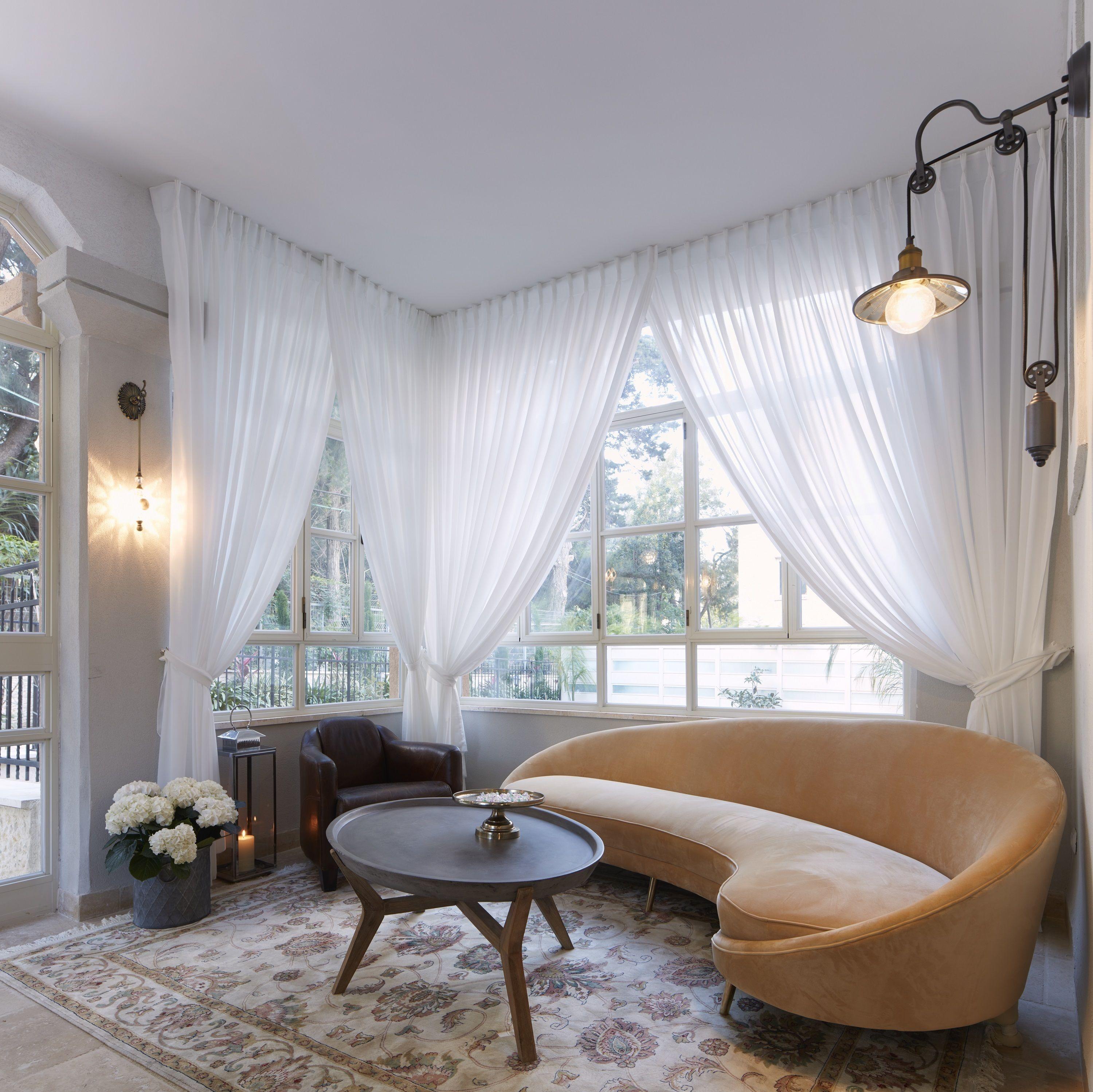
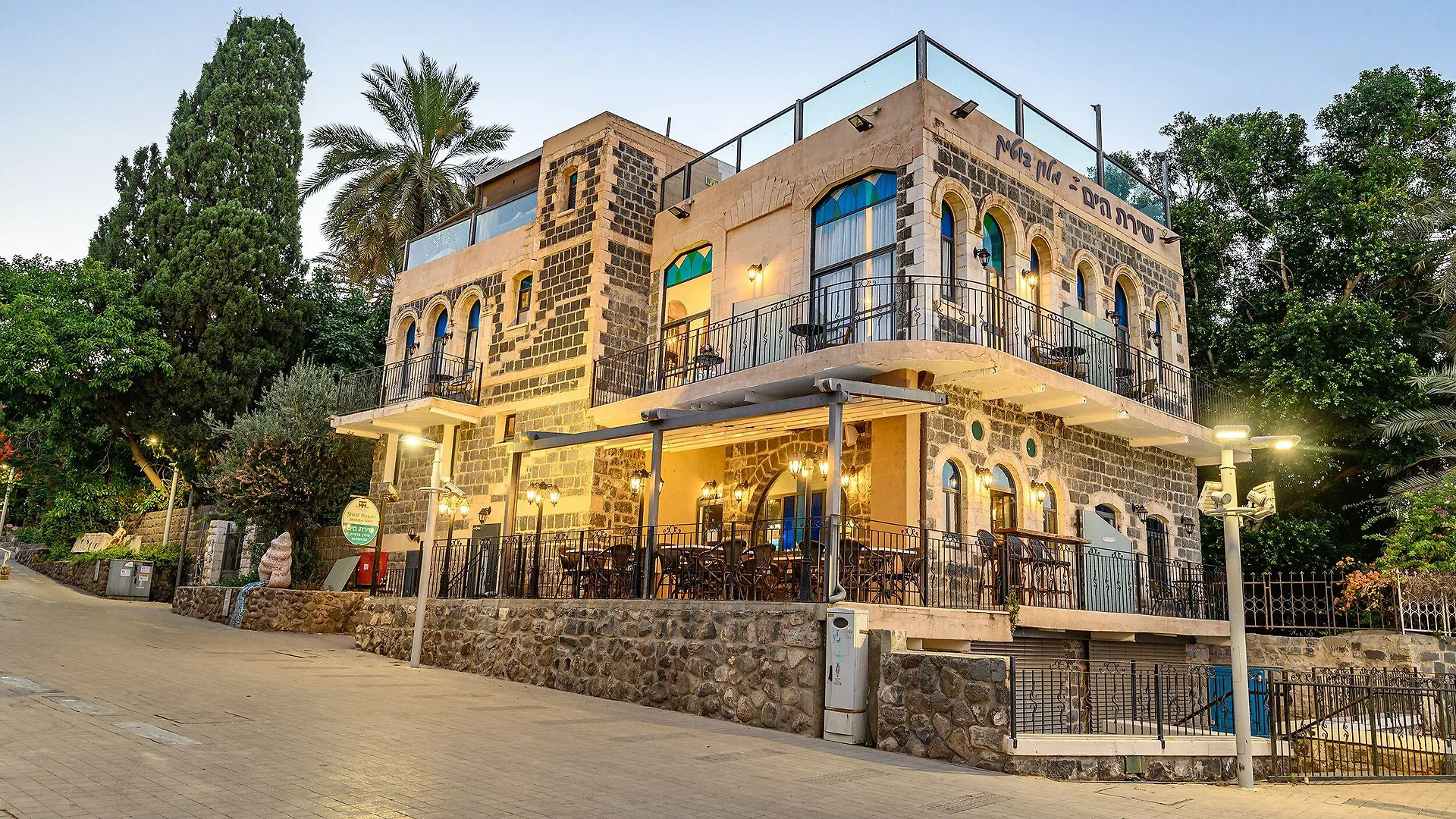
1. Shirat Hayam Boutique Hotel
Show on map


 Check-infrom 15:00 until 23:59Check-outuntil 11:00
Just a few rooms left at the best rate!
fromILS 573
-
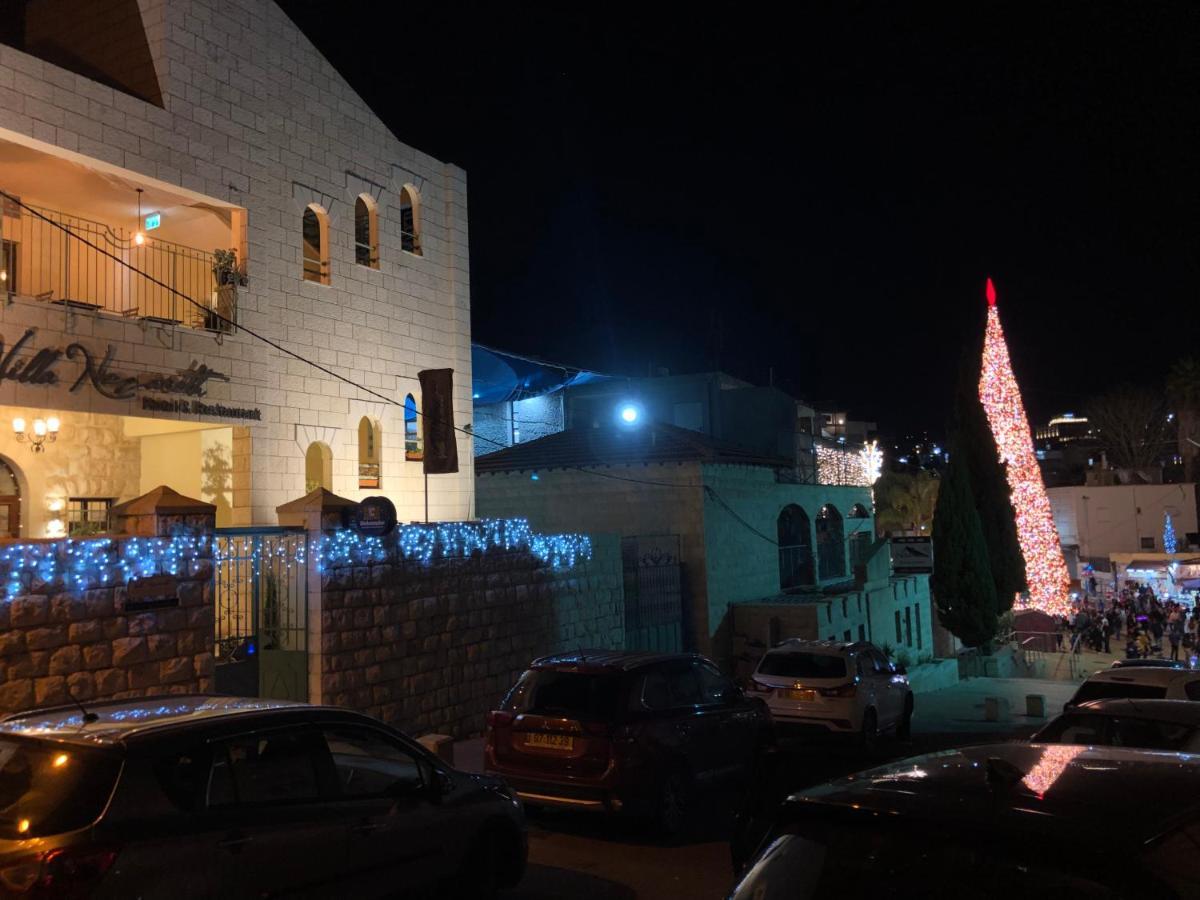
2. Astoria Galilee Hotel
Show on map


 Check-infrom 15:00 until 22:00Check-outuntil 11:00
Just a few rooms left at the best rate!
fromILS 640
-
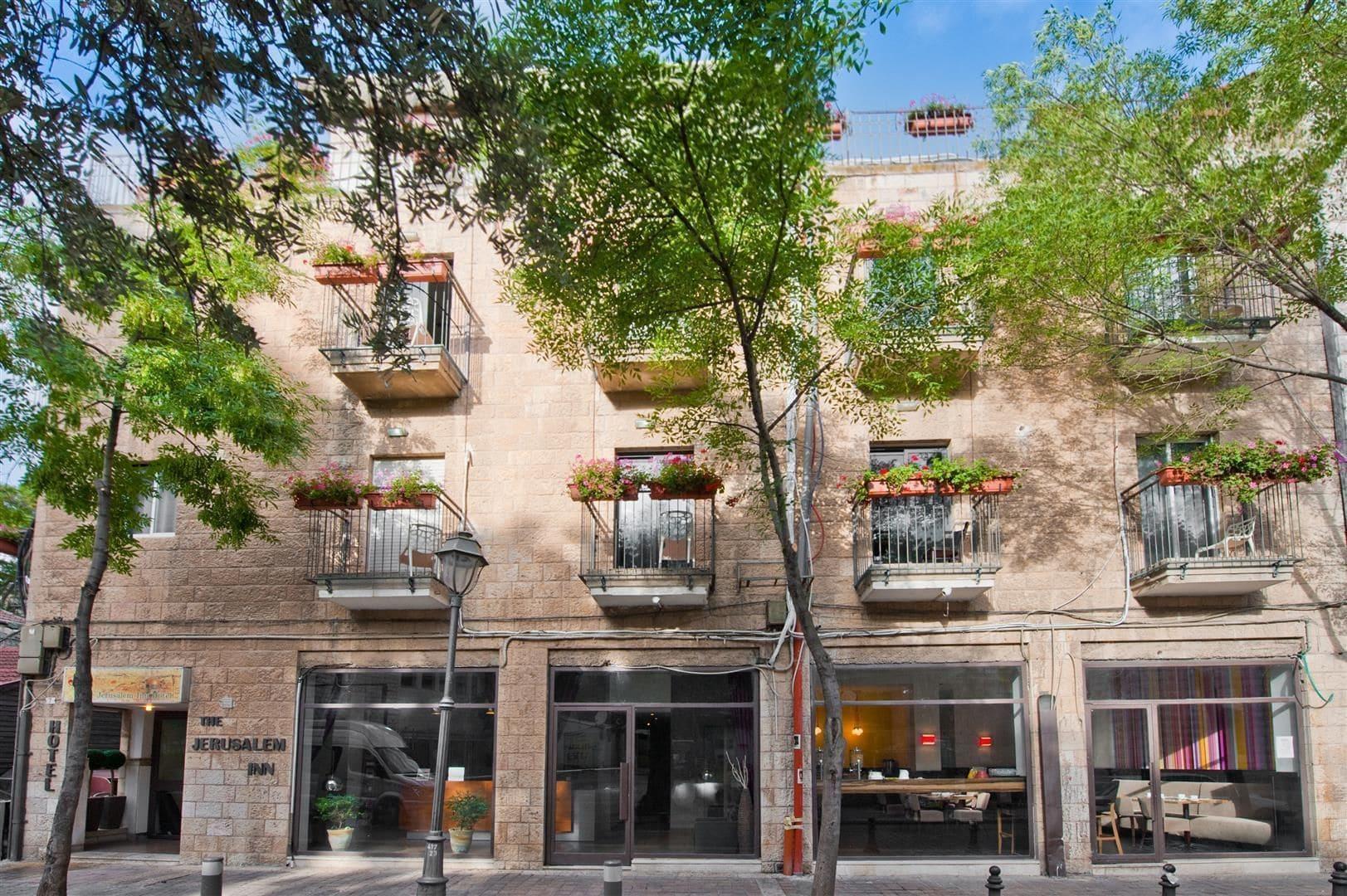
3. Leonardo Hotel Tiberias
Show on map


 Check-infrom 15:00 until 23:59Check-outuntil 11:00
Hurry – almost gone at this price!
fromILS 552
Best Premium Stays
These properties offer elevated facilities, distinctive character, or all-inclusive structures that justify higher nightly rates for travelers who want more from their Sea of Galilee stay.
-
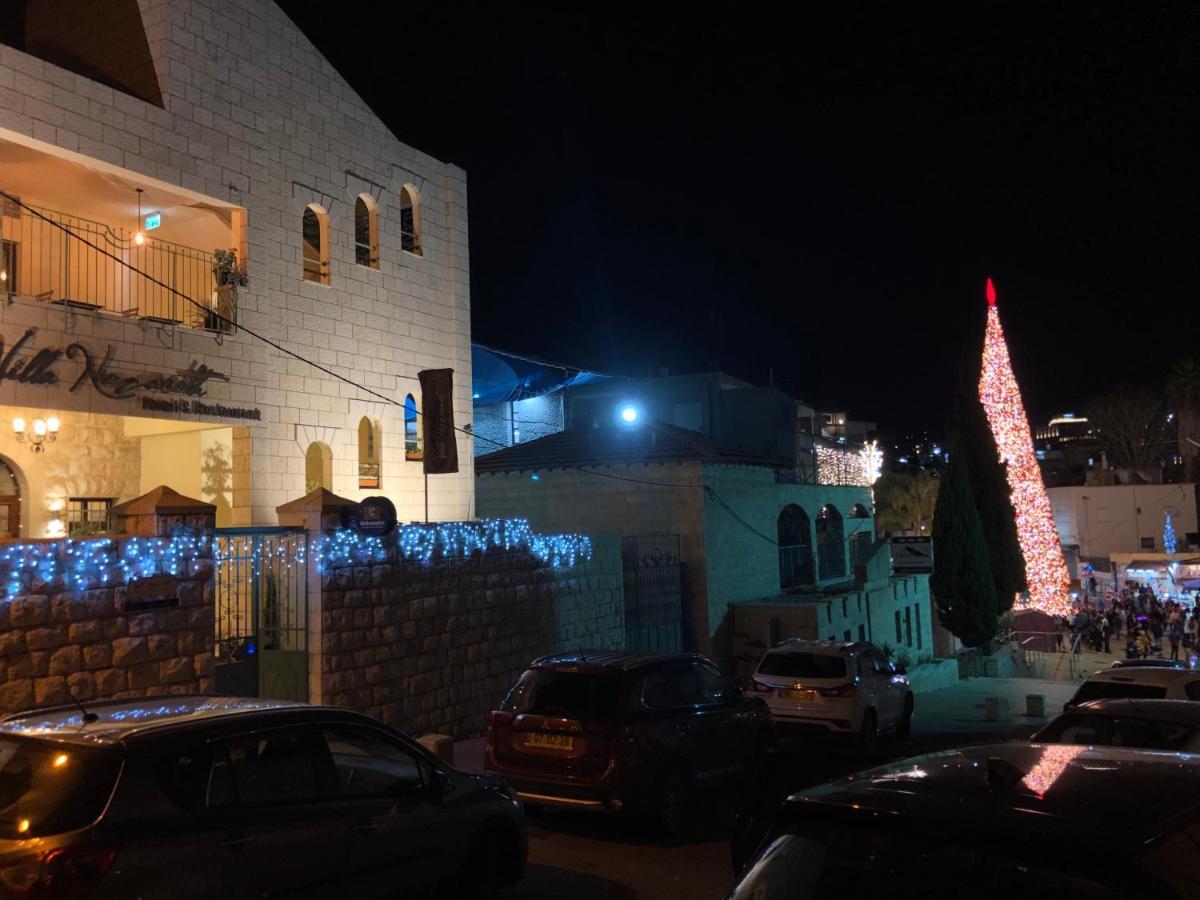
4. The Scots Hotel
Show on map


 Check-infrom 15:00 until 23:59Check-outuntil 12:00
Hurry – almost gone at this price!
fromILS 1061
-
5. Leonardo Club Tiberias
Show on map


 Check-infrom 15:00 until 23:59Check-outuntil 11:00
Rooms filling fast – secure the best rate!
fromILS 676
Smart Timing and Booking Advice for the Sea of Galilee
The Sea of Galilee region has two distinct peak seasons driven almost entirely by the Israeli domestic travel calendar. Passover (Pesach) and Sukkot are the highest-demand periods - hotel availability at promenade properties can disappear within days of bookings opening, and rates during these weeks increase by around 40% compared to off-peak. The summer months of July and August bring consistent heat (temperatures regularly exceed 35°C in Tiberias) and busy beaches, but international visitor numbers are lower than during spring religious holidays.
The best value window for the Sea of Galilee is October through November after Sukkot ends - the weather is mild, the lake is calm, and occupancy at central Tiberias hotels drops sharply, which translates into more competitive pricing and easier last-minute availability. A stay of three nights is the practical minimum for covering the main sites: the Sea of Galilee's western and northern shores, the Golan Heights, and the Jordan River area. For pilgrimage-focused trips, five nights allows for Nazareth, the Mount of Beatitudes, Capernaum, and Safed without rushing. Winter months are quiet and sometimes rainy, but prices are at their lowest and the region is largely uncrowded - a workable trade-off for travelers who prioritize calm over sunshine.