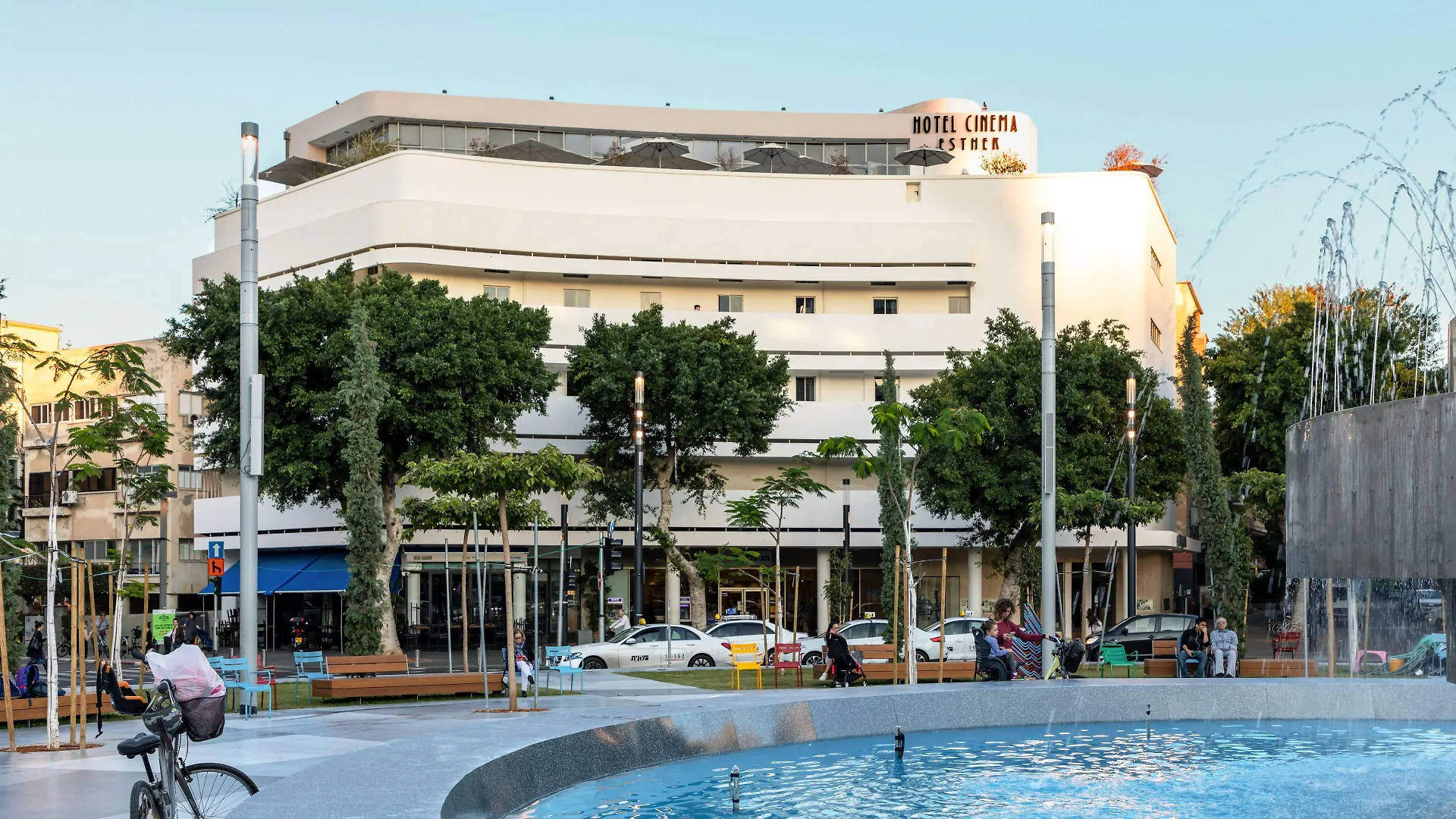
Tel Aviv City Centre is one of the most architecturally significant urban cores in the Middle East - a UNESCO-recognized Bauhaus district where staying in a design hotel isn't just a comfort choice, it's a cultural statement. From the walkable stretch between Dizengoff Square and Rothschild Boulevard to the beachfront towers on Hayarkon Street, this guide covers 7 exceptional design hotels to help you book with precision and confidence.
What It's Like Staying in Tel Aviv City Centre
Tel Aviv City Centre functions as a genuine 24-hour neighbourhood: the buzz on Dizengoff Street and Ibn Gavirol doesn't wind down after dinner, and the light rail line along Allenby keeps connecting guests to the port, Jaffa, and the central bus station well into the night. Most design hotels here place you within a 15-minute walk of the beach, Carmel Market, and the Sarona complex, meaning you can realistically cover the city's key cultural points on foot without ever hailing a cab. That convenience, however, comes with a trade-off: street-level noise from café terraces, delivery traffic, and weekend crowds is the norm, not the exception, so soundproofed rooms matter more here than in quieter Tel Aviv neighbourhoods like Neve Tzedek.
Pros:
- * Walking access to Dizengoff Square, Rothschild Boulevard, and the beachfront promenade without relying on public transport
- * Dense concentration of restaurants, galleries, and the Nachalat Benyamin Crafts Fair all reachable in under 10 minutes on foot
- * Light rail and multiple bus lines (routes 2, 4, 10) connect the centre to Ben Gurion Airport and the wider metro area
Cons:
- * Street noise from Dizengoff, Ben Yehuda, and Allenby Streets penetrates rooms on lower floors - always ask about soundproofing
- * No Shabbat public transport on Saturdays means taxis or ride-shares are the only option for leaving the city centre that day
- * Parking in the city centre is scarce and expensive; the few hotels with garages fill up fast during peak months
Why Choose Exceptional Design Hotels in Tel Aviv City Centre
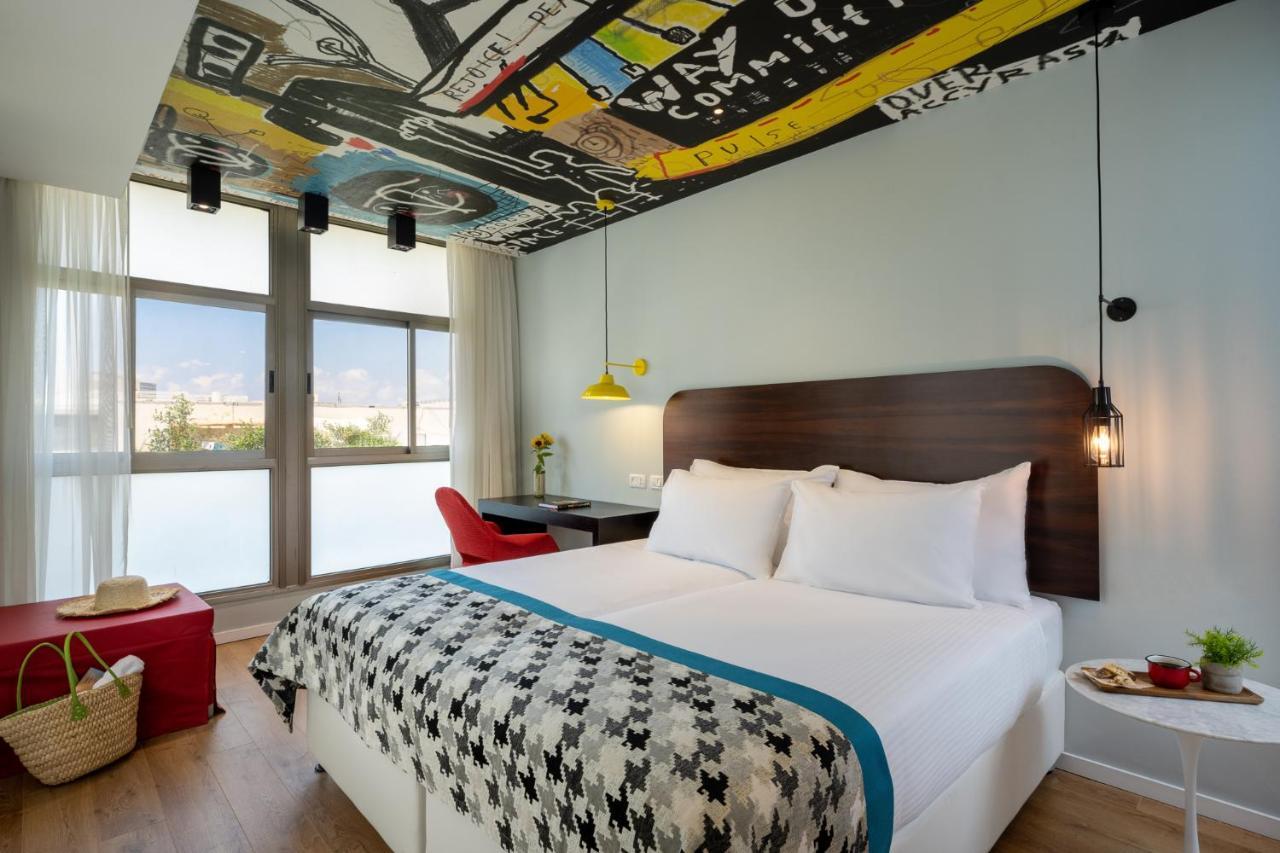
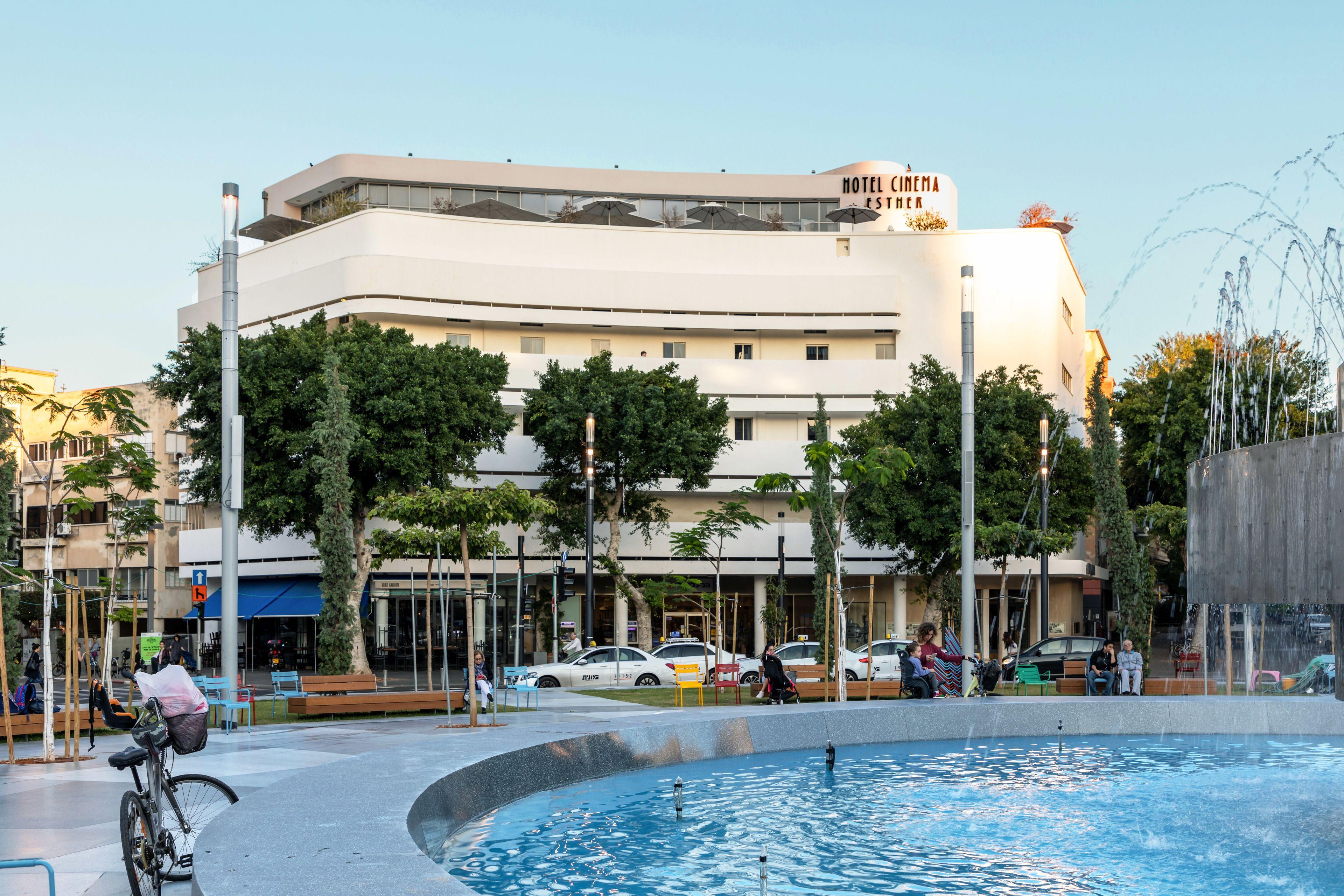
Design hotels in Tel Aviv City Centre earn their category through architectural intentionality - repurposed Bauhaus cinemas, monochrome-minimal towers, and atlas-branded boutique properties where the lobby itself signals a curatorial approach to space. Compared to generic business hotels in the same district, design-led properties typically run around 20% higher in nightly rate, but deliver meaningful differentiators: themed public spaces, curated art installations, rooftop terraces with city or sea views, and staff briefed on the neighbourhood's architecture and cultural calendar. Room sizes in this category vary sharply - some Bauhaus conversions yield compact but smartly designed doubles under 22 sqm, while seafront tower properties offer suites with separate living rooms and private balconies over the Mediterranean.
Main advantages of this hotel category here:
- * Immersive architectural settings - staying in a converted Bauhaus cinema or a glass tower with panoramic sea views adds tangible value to the Tel Aviv experience
- * Happy hours, rooftop terraces, free bikes, and on-site fitness studios reduce daily spending without sacrificing comfort
- * Proximity to Dizengoff Square, Sarona, and the seafront means the hotel's location functions as a cultural anchor, not just a sleep base
Main trade-offs in this specific zone:
- * Boutique Bauhaus properties have limited elevator capacity and can feel congested during high-demand weekends
- * Apartment-style design hotels on Ben Yehuda trade hotel services (no 24-hour desk in some cases) for self-catering flexibility
- * Rooftop pools and spa facilities in premium design properties enforce age restrictions (18+) that families need to account for at booking
Practical Booking & Area Strategy for Tel Aviv City Centre
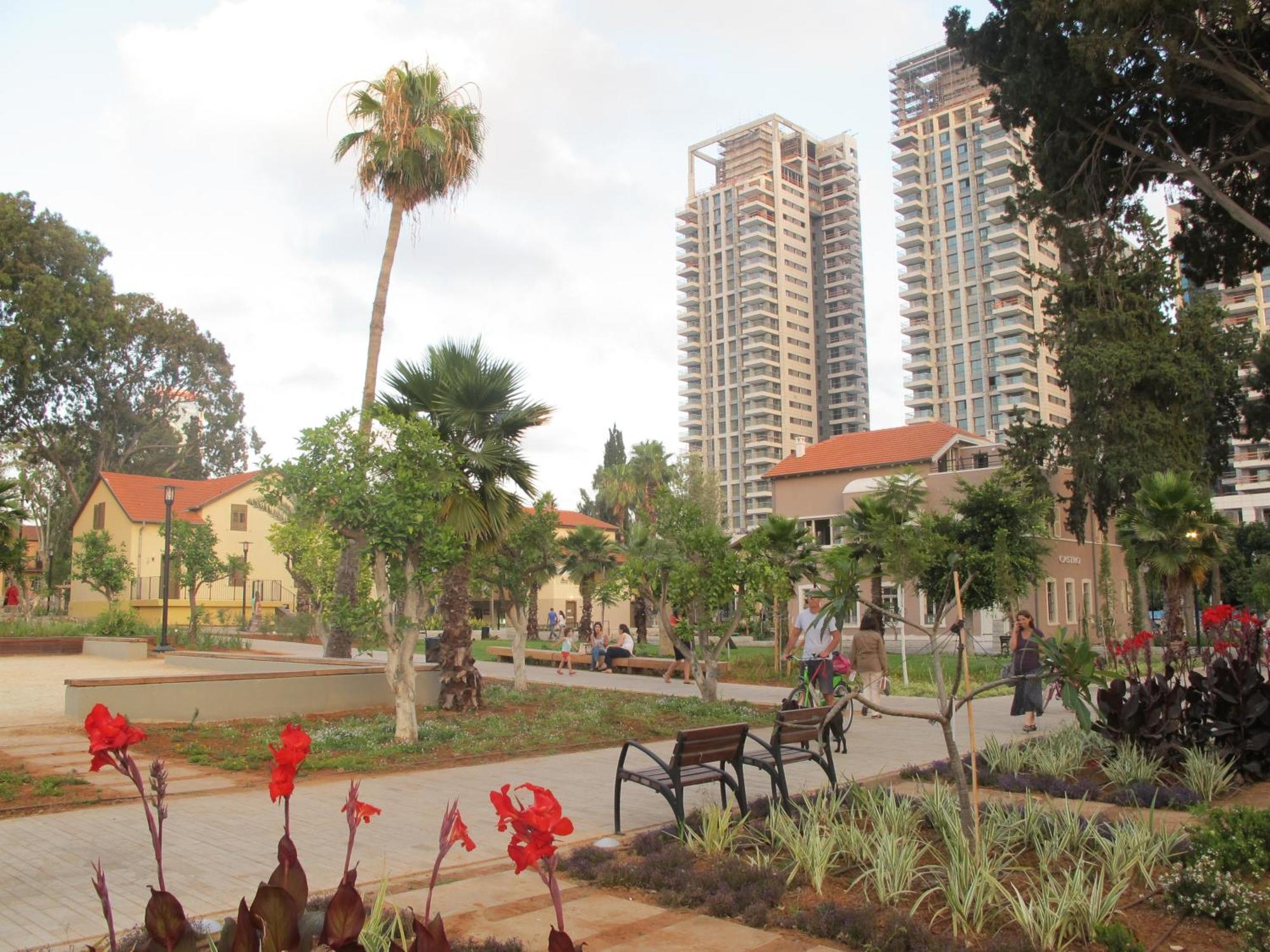
Position matters considerably within Tel Aviv City Centre: hotels on or directly adjacent to Ben Yehuda Street and Hayarkon Street sit closest to the Mediterranean promenade, with Gordon Beach reachable in under 10 minutes on foot, while properties clustered around Dizengoff Square and Dizengoff Street trade beach proximity for deeper access to the Bauhaus White City walking circuit and the Carmel Market. Sarona Market and the Azrieli complex sit at the southern edge of the centre, connected by the Tel Aviv HaShalom train station - the fastest rail link to Ben Gurion Airport, roughly a 20-minute ride. For visitors arriving in July or August, when hotel occupancy in the city centre peaks and nightly rates climb significantly, booking at least 6 weeks in advance is strongly advised; spring months (March-April) and November offer the best combination of comfortable weather, thinner crowds, and more negotiable rates. The city centre's streets are safe after dark - Dizengoff and Rothschild remain active well past midnight - but rooms facing internal courtyards consistently deliver quieter nights than those on the main arteries. Things to do within walking distance include the Bauhaus Center on Dizengoff Street, the Suzanne Dellal Center for Dance and Theatre, the Tel Aviv Museum of Art, and the Nachalat Benyamin open-air crafts fair held every Tuesday and Friday.
Best Value Design Stays
These properties deliver strong design credentials and practical amenities at the more accessible end of the Tel Aviv City Centre market - each with a distinct visual identity and a location that keeps you close to the neighbourhood's key pedestrian corridors.
-
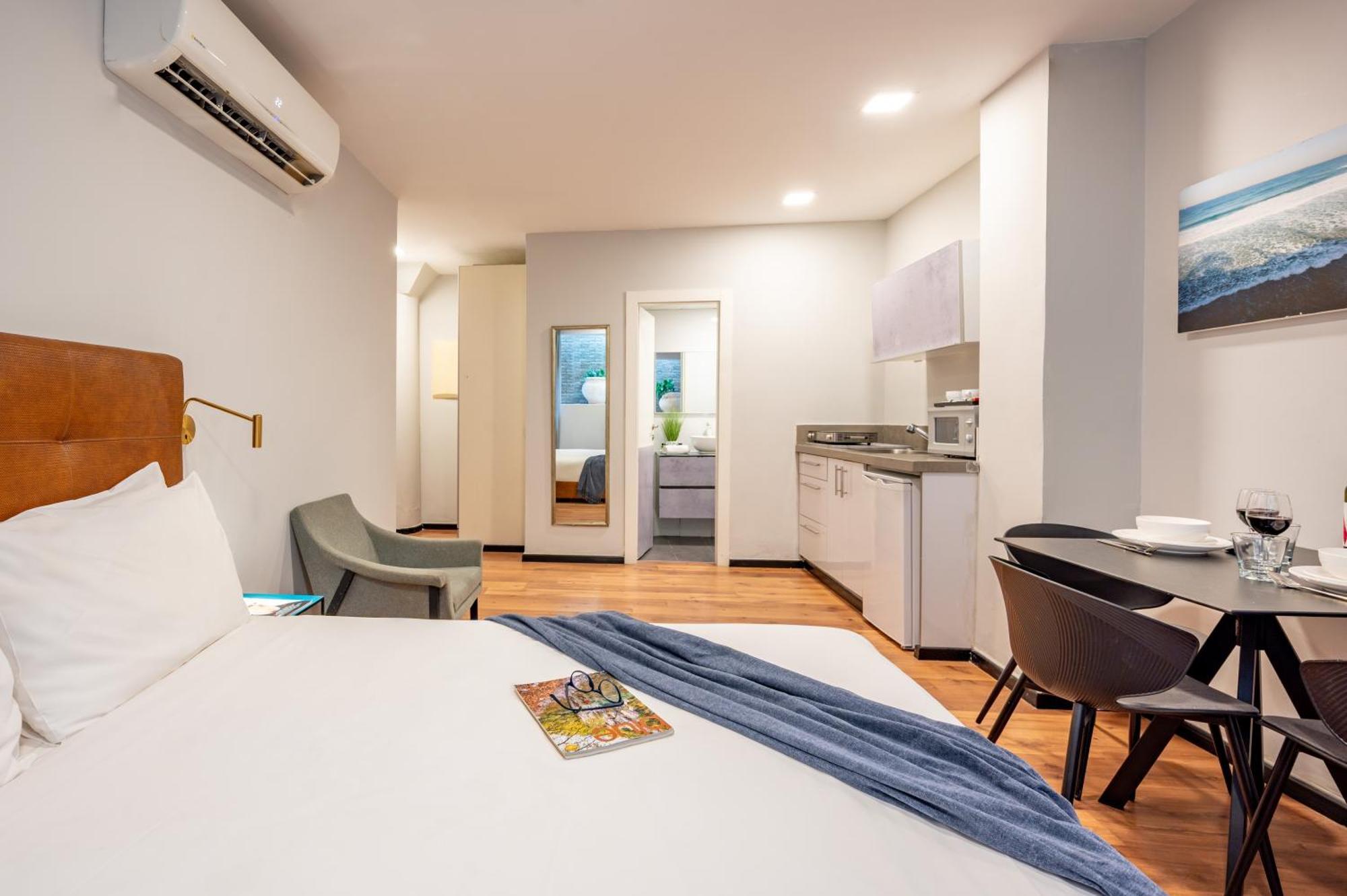
1. Cinema Hotel - An Atlas Boutique Hotel
Show on map


 Check-infrom 15:00 until 23:59Check-outuntil 11:00
Just a few rooms left at the best rate!
fromILS 392
-
2. Shalom Hotel & Relax - An Atlas Boutique Hotel
Show on map


 Check-infrom 15:00 until 23:59Check-outuntil 11:00
Just a few rooms left at the best rate!
fromILS 425
-
3. Sea Land Suites - By Echo Hotels
Show on map


 Check-infrom 15:00 until 23:59Check-outuntil 11:00
Just a few rooms left at the best rate!
fromILS 362
-
4. Hotel Jacob Samuel By Prima Hotels
Show on map


 Check-infrom 15:00 until 23:59Check-outuntil 11:00
Hurry – almost gone at this price!
fromILS 560
-
5. Fabric Hotel - An Atlas Boutique Hotel
Show on map


 Check-infrom 15:00 until 23:59Check-outuntil 11:00
Hurry – almost gone at this price!
fromILS 737
Best Premium Design Stays
These two properties represent the upper tier of design hospitality in Tel Aviv City Centre - one anchored to the seafront with a rooftop pool and tower-height panoramas, the other embedded in the Sarona and Azrieli business core with full spa infrastructure and a polished monochrome interior scheme.
-
1. Sea Tower By Isrotel Design
Show on map


 Check-infrom 15:00 until 23:59Check-outuntil 12:00
Rooms filling fast – secure the best rate!
fromILS 1063
-
7. Crowne Plaza Tel Aviv City Center By Ihg
Show on map


 Check-infrom 15:00 until 23:59Check-outuntil 11:00
Rooms filling fast – secure the best rate!
fromILS 680
Smart Travel & Timing Advice for Tel Aviv City Centre
July and August are the peak months for Tel Aviv City Centre: hotel occupancy in the design category reaches its highest point, nightly rates climb sharply, and Dizengoff Square and the beachfront fill with domestic and international visitors from mid-morning until past midnight. Booking design hotels during this window with less than 6 weeks' notice typically means either elevated pricing or compromised room selection - particularly for sea-view or top-floor categories that sell out earliest. March, April, October, and November represent the strongest value window: Mediterranean temperatures remain warm enough for outdoor dining and beach walks, crowds thin considerably, and many Atlas Boutique properties and the Isrotel Tower offer more competitive rates than in summer. A stay of 3 nights is the functional minimum for covering the city centre's key areas - the Bauhaus White City circuit, Carmel Market, Sarona, and the seafront - without rushing; 5 nights allows day trips to Jaffa, Herzliya, and Caesarea via the coastal train. Shabbat (Friday sunset to Saturday night) transforms the city centre's rhythm: most restaurants and cafés on Dizengoff and Rothschild remain open, but public buses and trains stop entirely, so guests without hotel parking should factor taxi or ride-share costs into that day's budget. Last-minute bookings in low season (December-February) can yield discounts of around 25% off peak rates at premium properties, but spa and restaurant availability becomes unpredictable.