West Jerusalem sits on the modern Israeli side of the city, stretching from the dense urban core around King David Street and Jaffa Road down through residential neighborhoods like the German Colony and Ramat Rachel. For travelers focused on accessibility to both the Old City and contemporary Jerusalem - its markets, restaurants, and cultural institutions - this side of the city delivers a distinctly practical base. These three 3-star hotels each occupy a different niche within West Jerusalem, from a landmark building steps from Jaffa Gate to a kibbutz-style resort near the city's southern edge.
What It's Like Staying in West Jerusalem
West Jerusalem functions as the city's modern civic and commercial spine, built around Jaffa Road and King George Street, where the light rail, major bus routes, and most of the city's contemporary restaurants and shops converge. The Old City's Jaffa Gate sits around a 10-minute walk from hotels positioned near King David Street, while neighborhoods further south - like the German Colony or Ramat Rachel - require a bus or short drive. Foot traffic in the central zone stays high through the evening, particularly around Mahane Yehuda Market, which draws both locals and visitors until late.
Pros:
- * Direct light rail access along Jaffa Road connects you to Mahane Yehuda, Damascus Gate, and the Central Bus Station without needing a car
- * Most West Jerusalem hotels sit within around 2 km of the Old City walls, keeping key religious and historical sites walkable
- * The area is fully operational on Shabbat unlike some areas - restaurants, bars, and transport remain available in secular zones
Cons:
- * Central West Jerusalem gets loud at night near Jaffa Road and Ben Yehuda Street - rooms without soundproofing are noticeably affected
- * Parking is scarce and expensive in the city-center zone; hotels with free parking are a genuine advantage
- * Southern neighborhoods like Ramat Rachel require a bus connection every 20 minutes - spontaneous late-night returns to the hotel become less practical
Why Choose a 3-Star Hotel in West Jerusalem
In a city where 5-star properties along King David Street command rates that can exceed double the 3-star market, this category fills a real gap: functional rooms, essential amenities, and proximity to the main attractions without the luxury surcharge. Three-star hotels in West Jerusalem tend to include free parking and free Wi-Fi - both meaningful savings in a city where parking fees in the center can add up quickly. Room sizes are generally mid-range: adequate for couples or small families, though not expansive. Noise management varies significantly by property, so soundproofing is worth checking specifically before booking.
Pros:
- * Consistent access to on-site breakfast, a key logistical advantage when managing early-morning visits to religious sites before crowds arrive
- * Several 3-star options include pools and fitness facilities that would be chargeable extras at comparable budget properties
- * Free parking is far more common in this tier than in 4- or 5-star West Jerusalem hotels, which typically charge for it
Cons:
- * Room design in this category skews functional rather than distinctive - don't expect boutique-level interiors
- * Some 3-star properties are located further from the city center to keep costs down, which shifts you into bus-dependent territory
- * Kosher or non-kosher dining policies vary by hotel, which matters if dietary requirements are a factor in your choice
Practical Booking & Area Strategy for West Jerusalem
The strongest micro-location within West Jerusalem for 3-star stays is the King David Street corridor, where you're within walking distance of both Mamilla Mall and the Old City's Jaffa Gate, and the light rail along Jaffa Road is reachable on foot in under 10 minutes. Hotels further south near the German Colony (Emek Refaim Street) are quieter and well-served by buses, but add around 15 minutes of travel time to the Old City. The Ramat Rachel area offers the most tranquility and the largest grounds, but is genuinely bus-dependent - the line runs every 20 minutes and stops at nightfall on Shabbat, which affects evening flexibility. Key West Jerusalem attractions within reach include the Israel Museum (housing the Dead Sea Scrolls), Mahane Yehuda Market, Yad Vashem Holocaust Memorial, Ben Yehuda pedestrian street, and the Nachlaot neighborhood. Book at least 6 weeks ahead for stays during Passover, Rosh Hashanah, and the summer months of July and August - these are the peak windows when occupancy climbs sharply and rates across all tiers rise.
Best Value Stays
These two properties offer the strongest combination of central access, included amenities, and price efficiency within the West Jerusalem 3-star market.
-
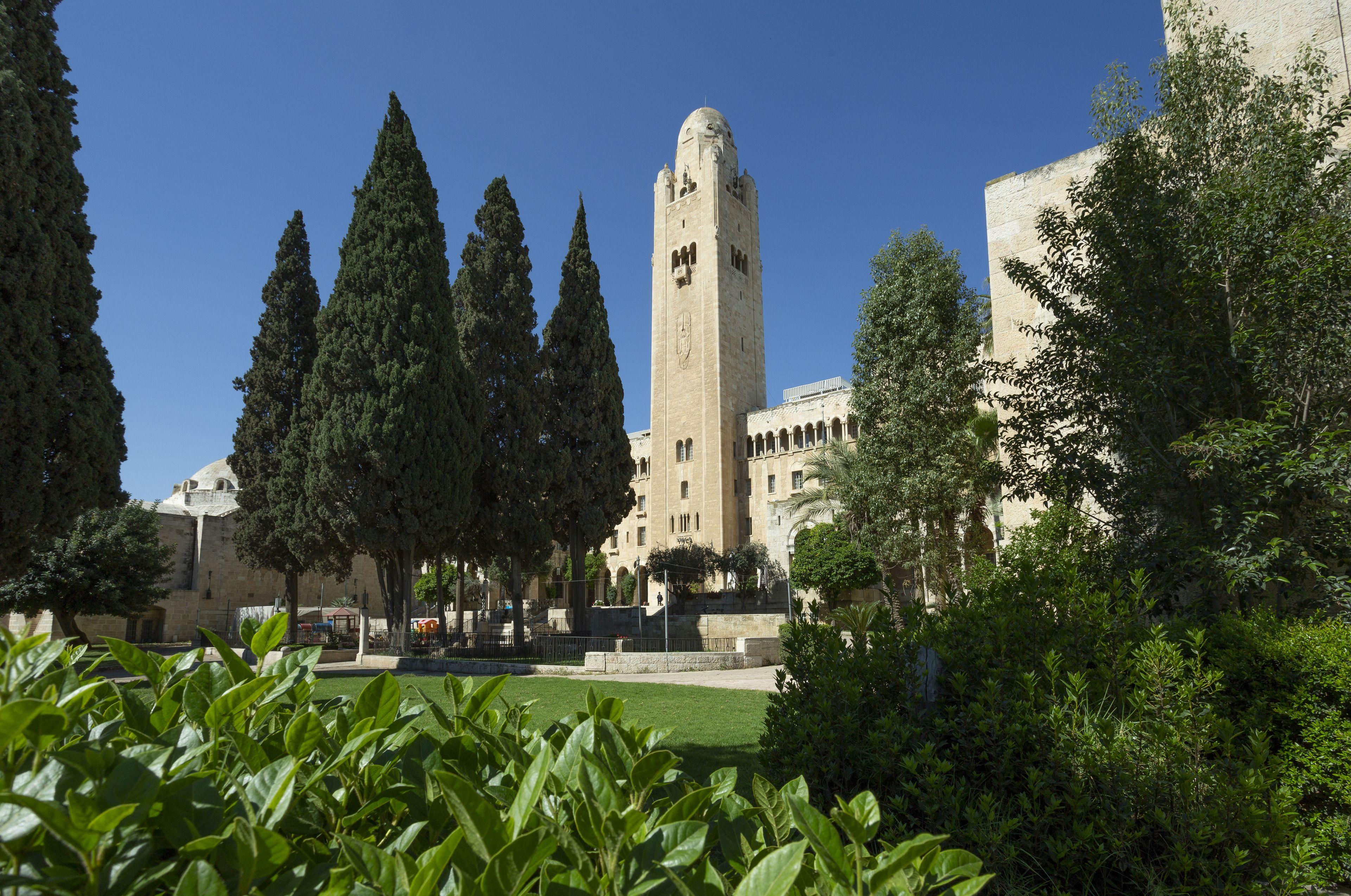
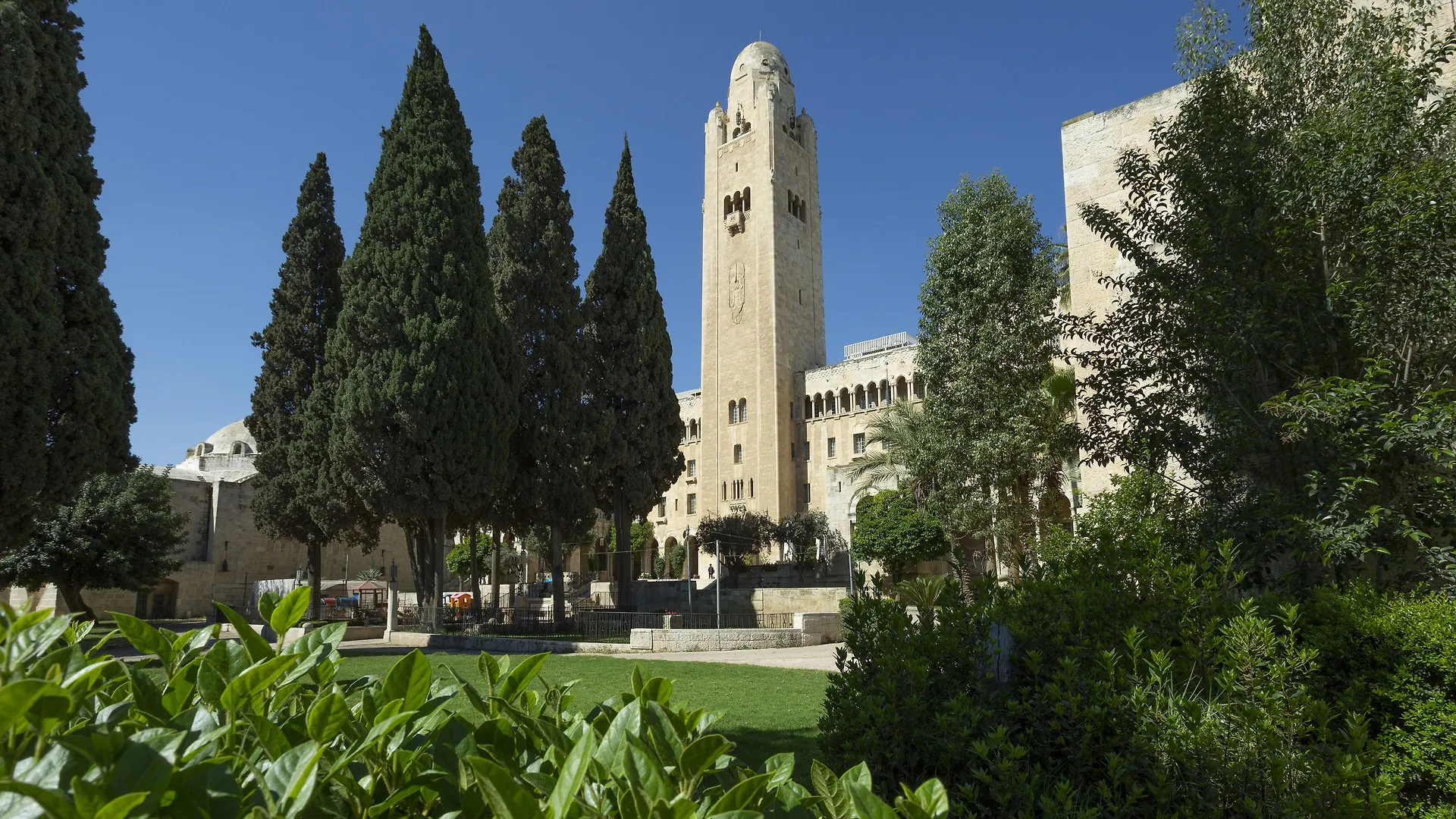
1. Ymca Three Arches Hotel
Show on map


 Check-infrom 14:00 until 23:59Check-outuntil 11:00
Just a few rooms left at the best rate!
fromILS 297
-
2. Jerusalem Garden Home
Show on map


 Check-infrom 14:00 until 23:59Check-outuntil 11:00
Hurry – almost gone at this price!
fromILS 243
Best Premium Stay
For travelers who want more space, resort-level facilities, and a break from Jerusalem's urban density, this property offers a distinctly different experience within the West Jerusalem area.
-
3. Ramat Rachel Resort
Show on map


 Check-infrom 16:00 until 23:30Check-outuntil 10:00
Rooms filling fast – secure the best rate!
fromILS 1207
Smart Timing & Booking Advice for West Jerusalem
The most crowded periods in West Jerusalem coincide with Jewish and Christian religious calendars: Passover (March-April) and the High Holy Days (September-October) see hotel occupancy surge, with rates across the 3-star segment rising sharply and availability tightening weeks in advance. The summer peak from July through August brings maximum tourist volume alongside the hottest and driest weather - useful for those who tolerate heat, but book early or expect to pay a premium. September through November offers a practical sweet spot: temperatures cool to around 24°C, crowds thin noticeably after the High Holy Days, and prices soften. Winter months (December-February) bring the lowest rates and the fewest tourists, though some days bring rain and cold, and shorter daylight hours compress sightseeing time. For Passover or High Holy Days stays, book at least 6 weeks out; for all other periods, two to three weeks' notice is typically sufficient for 3-star availability. A minimum stay of three nights makes logistical sense in Jerusalem - the density of major sites means two full days barely covers the Old City alone, and West Jerusalem's own attractions (Yad Vashem, Israel Museum, Mahane Yehuda) each merit dedicated half-days.