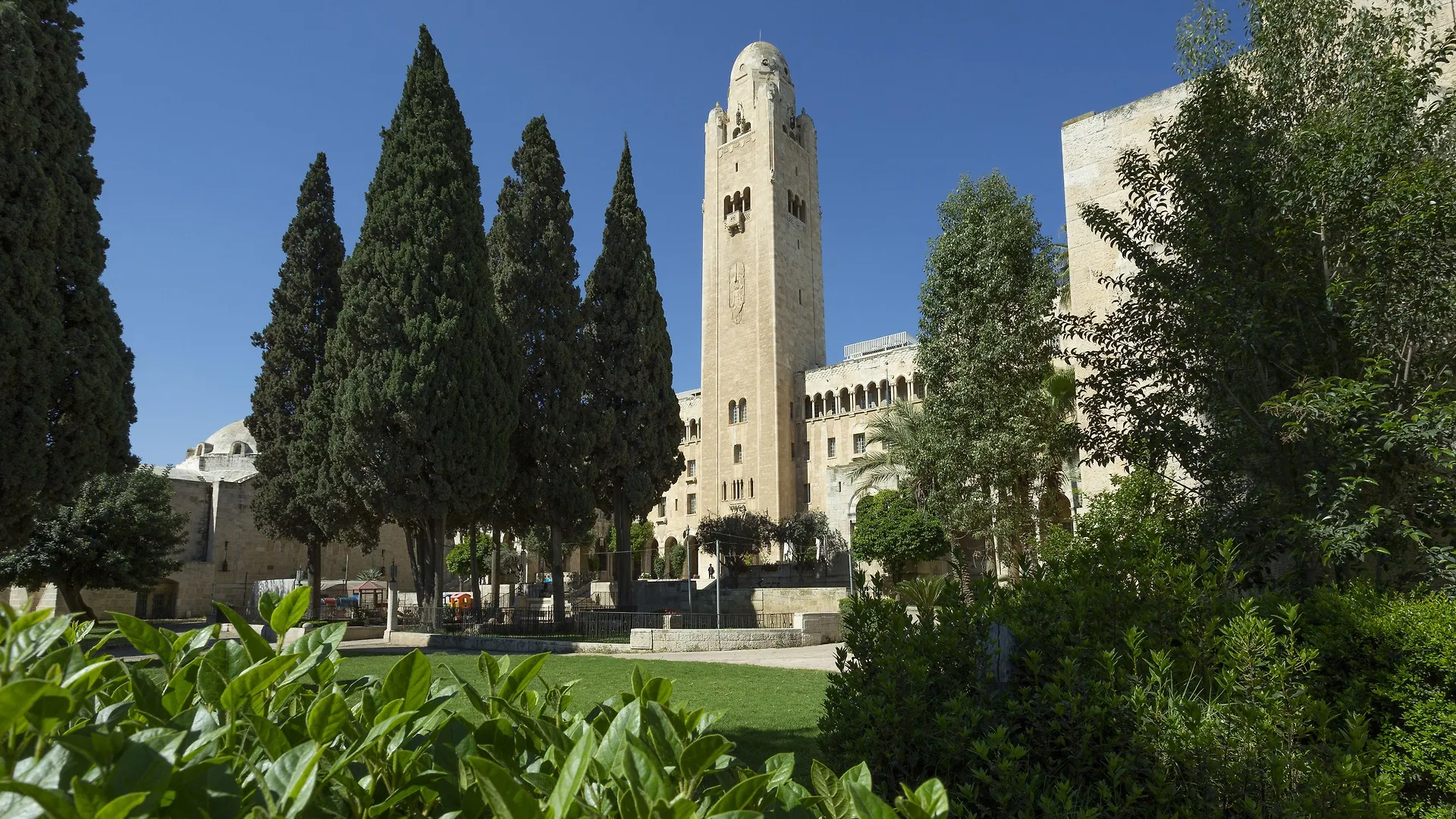
West Jerusalem is where modern Israeli city life and biblical history converge on the same street grid. Staying centrally here puts you within reach of Mahane Yehuda market, Ben Yehuda Street, the Israel Museum, and Jaffa Gate - all without relying on taxis. These 6 central hotels cover the full spectrum from budget-friendly hostel beds to panoramic-view suites, each positioned in the districts that make West Jerusalem one of the most navigable bases in the entire city.
What It's Like Staying in West Jerusalem
West Jerusalem functions as a walkable urban grid anchored by Jaffa Street and King David Street, where a centrally located hotel can put guests within a 15-minute walk of Jaffa Gate and the Old City walls. The Jerusalem Light Rail runs along Jaffa Street, connecting the Central Bus Station westward through Mahane Yehuda and downtown to Damascus Gate - making cross-city movement fast even without a car. Foot traffic in the city center peaks heavily on Friday mornings when locals crowd Mahane Yehuda before Shabbat, and the entire area quiets almost completely from Friday sundown through Saturday night, which affects restaurant access and transport frequency.
Travelers who want walkable access to both modern Jerusalem and the Old City benefit most from staying here. Those seeking a tranquil retreat or lower nightly rates might consider the German Colony or Baka neighborhoods, roughly a 5-minute drive south, though with fewer walking options to key sites.
Pros:
- * Walking distance to Jaffa Gate, Mahane Yehuda, and Ben Yehuda Street from most central hotels
- * Jerusalem Light Rail provides fast, affordable access across the city using a reloadable Rav-Kav card
- * Wide range of kosher restaurants, cafés, and street food within the immediate area
Cons:
- * City-center noise from Jaffa Street traffic and nightlife can affect lower-floor rooms on weeknights
- * Most restaurants, shops, and public transport shut down entirely on Shabbat (Friday sundown to Saturday night)
- * Hotels along the main arteries carry a noticeable price premium compared to outlying neighborhoods
Why Choose Central Hotels in West Jerusalem
Central hotels in West Jerusalem occupy a positioning tier that justifies their rate premium with one clear advantage: genuine walkability to the city's major attractions without the logistical friction of daily transport planning. Unlike hotels near the Central Bus Station - around 2.5 km west - centrally located properties keep guests within a direct corridor between the Israel Museum, the Mahane Yehuda market, and the Old City walls. Room sizes in this category range from compact urban doubles to full split-level apartments with kitchenettes, meaning the right choice depends heavily on length of stay and budget structure. Properties along or just off King David Street and Agripas Street carry the strongest proximity advantage, while those in the Baka or German Colony micro-locations trade some walkability for larger spaces and quieter surroundings - a genuine trade-off, not an upgrade.
Pros:
- * No daily transport cost for guests focused on Old City, Mahane Yehuda, or downtown sightseeing
- * Diverse property types available - from hostel dormitories to panoramic suites - within the same central corridor
- * Many central hotels include breakfast, free parking, or airport shuttle, reducing overall trip costs
Cons:
- * Central location commands a nightly rate premium of around 25% above outlying West Jerusalem neighborhoods
- * Rooms at budget-tier central properties are noticeably smaller than equivalent-price properties in quieter districts
- * Parking in the city core is limited and not guaranteed at several properties despite being offered
Practical Booking & Area Strategy
The most strategically positioned street in West Jerusalem for hotel guests is King David Street, where properties sit at the intersection of the upscale hotel corridor and the 15-minute walking route to Jaffa Gate. One block north, Agripas Street feeds directly into Mahane Yehuda market and connects on foot to Ben Yehuda Street's pedestrian mall - a high-value micro-location for guests who plan to use the city center daily. For the Old City, the Mamilla Mall walkway from King David Street is the most direct and scenic approach on foot. Jerusalem's Light Rail, accessed via Jaffa Street stops including Mahane Yehuda and City Hall, covers the main tourist spine and connects to Mount Herzl (Yad Vashem) in around 20 minutes. Book at least 6 weeks in advance for stays during Passover, Sukkot, and the High Holy Days - these periods drive hotel prices to their annual peak and availability in central properties drops sharply. Summer (June-August) is the busiest general tourist season, while late November through February offers the softest rates and fewest crowds, though with cooler and occasionally rainy conditions. The nighttime atmosphere in the city center is safe and active through Thursday; Friday and Saturday nights see most of the area in observant quiet.
Best Value Stays
These properties offer genuine central positioning at accessible price points, with practical amenities suited for sightseers, families, and travelers who want walkability without premium-tier rates.
-
1. Ymca Three Arches Hotel
Show on map


 Check-infrom 14:00 until 23:59Check-outuntil 11:00
Just a few rooms left at the best rate!
fromILS 297
-
2. Jerusalem Garden Home
Show on map


 Check-infrom 14:00 until 23:59Check-outuntil 11:00
Just a few rooms left at the best rate!
fromILS 243
-
3. Stay Inn Hotel Jerusalem
Show on map


 Check-infrom 15:00 until 23:59Check-outuntil 11:00
Hurry – almost gone at this price!
fromILS 91
Best Premium Stays
These properties go beyond standard amenities - delivering panoramic views, apartment-scale space, boutique design, or prime micro-location advantages that justify a higher nightly investment in central West Jerusalem.
-
4. 21St Floor Hotel
Show on map


 Check-infrom 15:00 until 23:59Check-outuntil 11:00
Hurry – almost gone at this price!
fromILS 697
-
5. Agripas Boutique Hotel
Show on map


 Check-infrom 15:00 until 23:59Check-outuntil 11:00
Rooms filling fast – secure the best rate!
fromILS 664
-
6. Rafael Residence Boutique
Show on map


 Check-infrom 15:00 until 17:00Check-outuntil 11:00
Rooms filling fast – secure the best rate!
fromILS 376
Smart Travel & Timing Advice for West Jerusalem
The most practical windows to visit West Jerusalem are April-May and October-November, when daytime temperatures sit around 22°C, crowds are manageable, and central hotel rates remain reasonable before the summer peak. Summer (June-August) is the busiest season - prices at central properties climb sharply and availability at the better-positioned hotels compresses, particularly along King David Street and the Mahane Yehuda corridor. Jewish religious holidays - including Passover, Sukkot, and the High Holy Days - trigger the steepest single-week price spikes of the year; always cross-check travel dates against the Hebrew calendar before booking. Winter (December-February) offers the softest nightly rates and the fewest tourists at major sites, though Friday-Saturday Shabbat closures feel more impactful in low season when fewer backup options are open. A stay of 4 nights is the practical minimum to cover the Old City, Yad Vashem, the Israel Museum, and Mahane Yehuda without feeling rushed. Book central hotels at least 6 weeks ahead for any holiday period - last-minute availability in the city center during peak dates is genuinely scarce, not a sales tactic.