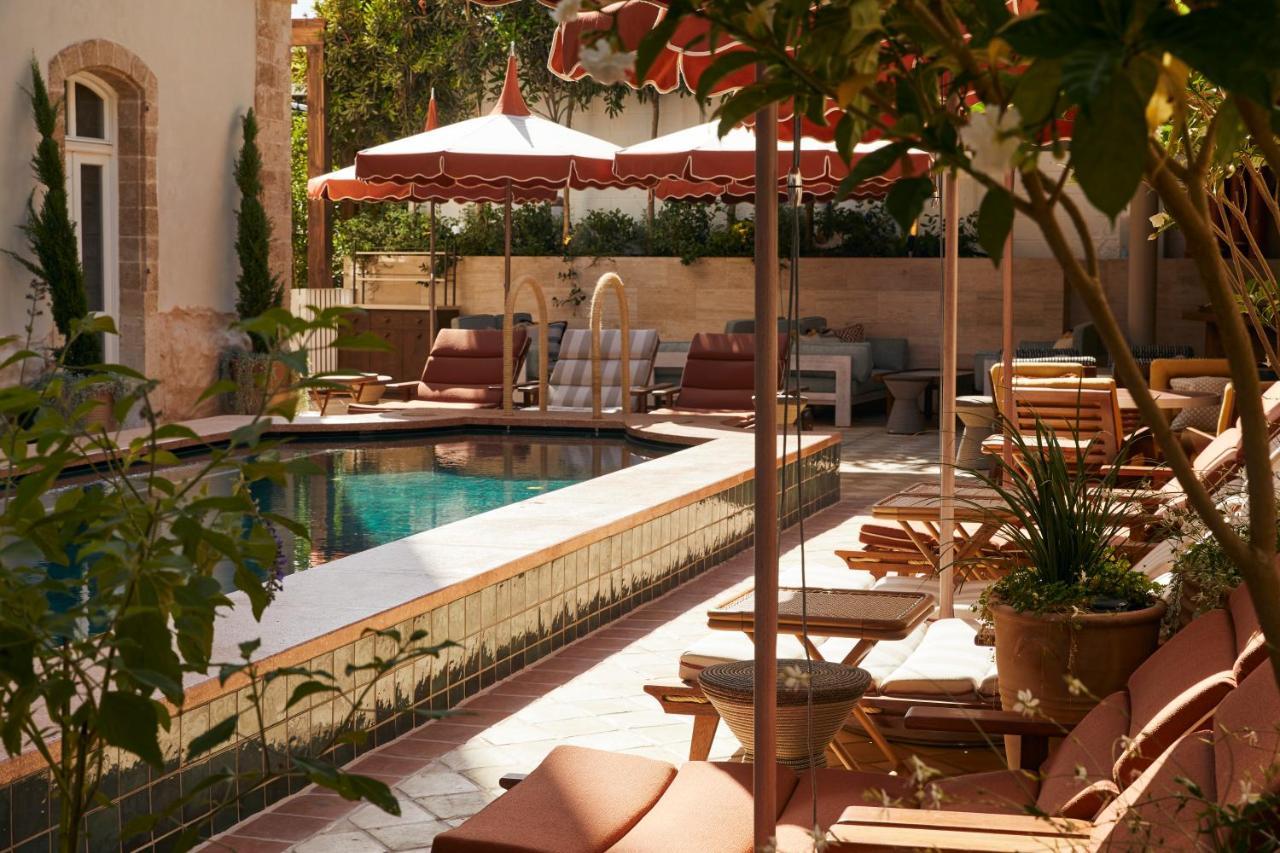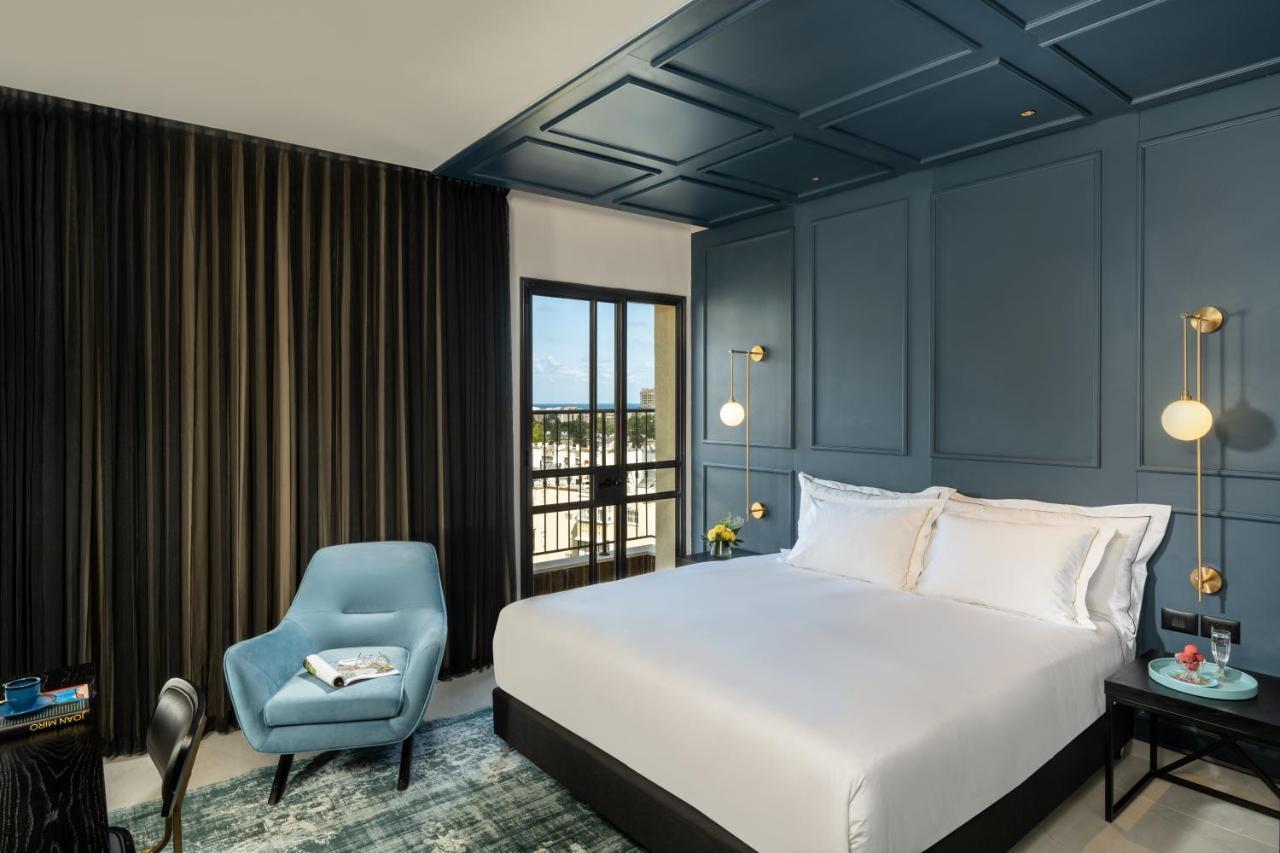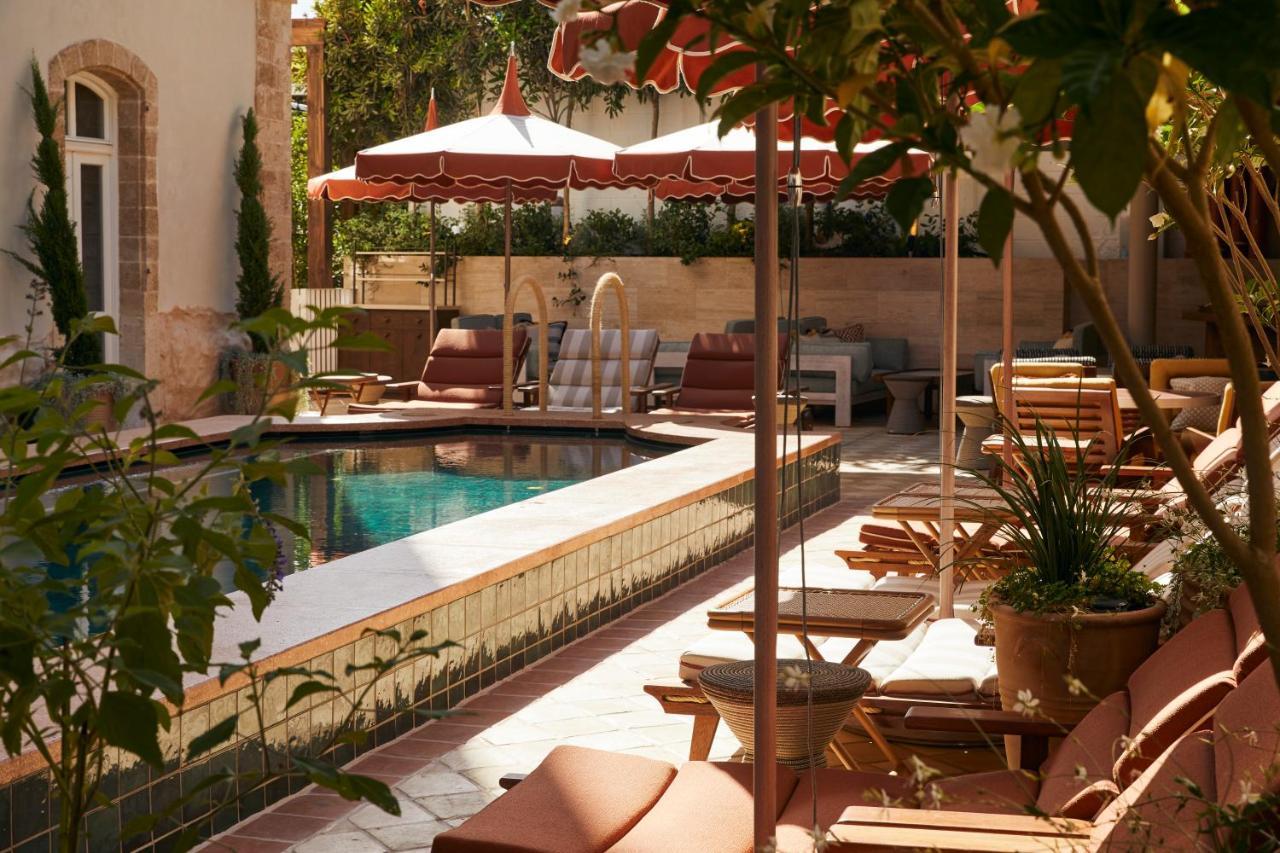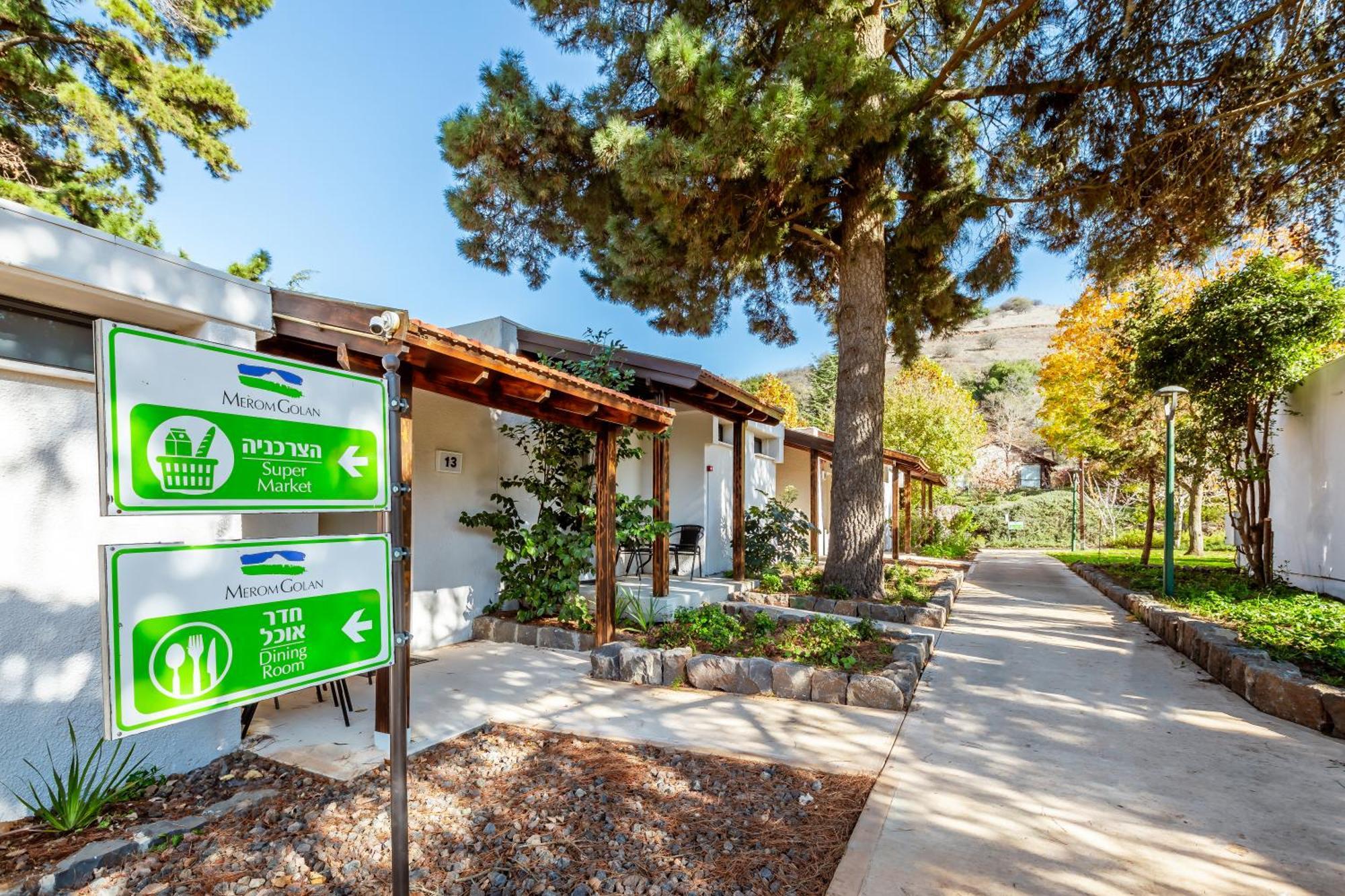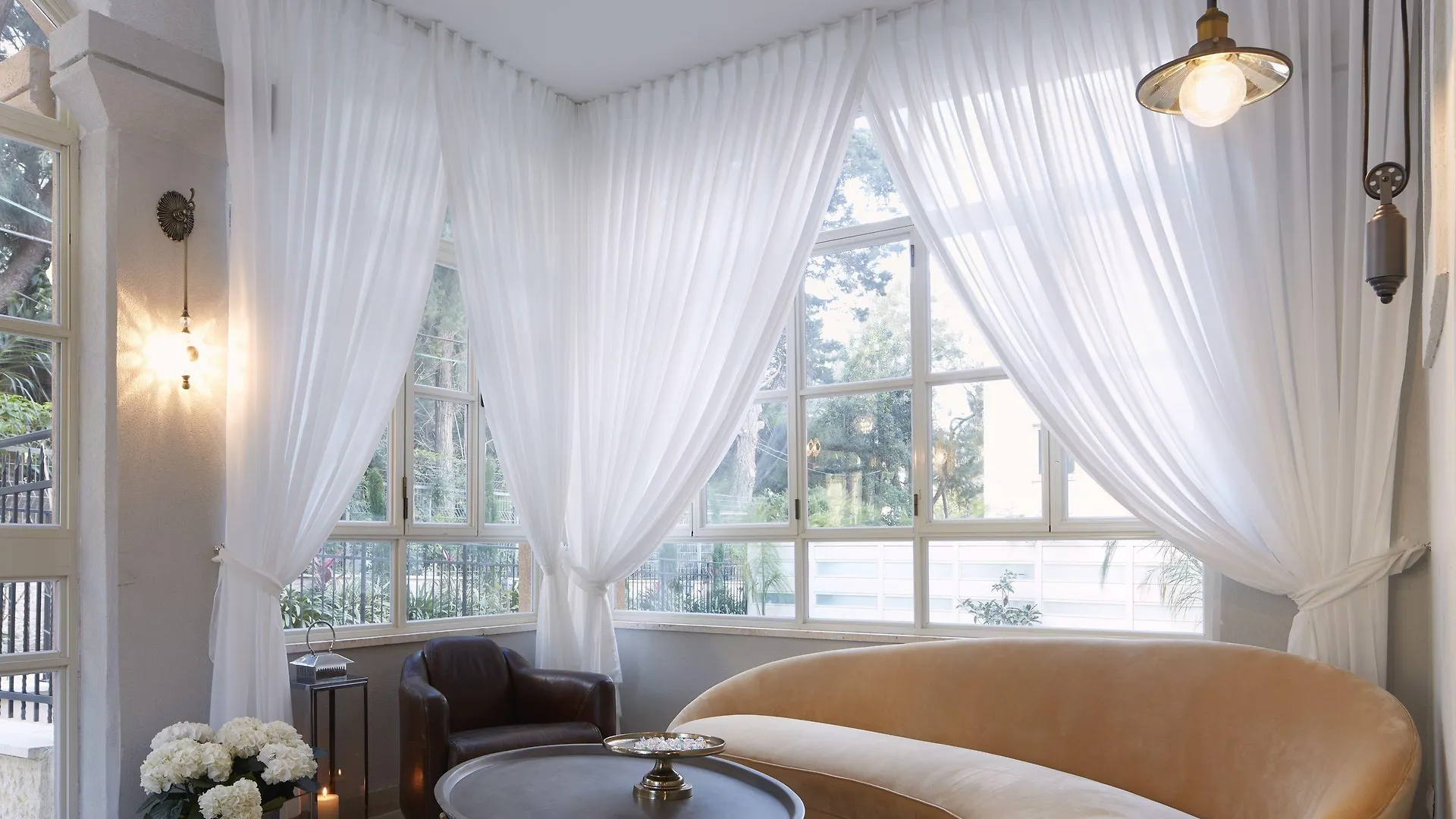
Israel packs an extraordinary variety of destinations into a small geography - from the shores of the Sea of Galilee and the cliffs above the Mediterranean to the spiritual weight of Jerusalem's Old City and the stark silence of the Negev Desert. Choosing a centrally located hotel here isn't just about comfort; it's a strategic decision that determines how much you see, how far you travel, and how much time you spend waiting for buses. This guide covers 8 well-positioned hotels across Israel's key destinations, with the facts you need to book with confidence.
What It's Like Staying in Israel
Israel is a country where ancient history and modern infrastructure sit side by side - archaeological ruins are minutes from light rail stations, and Bedouin markets share the landscape with contemporary restaurants. The contrast between cities is sharper than in most countries of similar size: Jerusalem is dense, historic, and observant of the Sabbath, while Tel Aviv operates around the clock with a secular Mediterranean rhythm. Haifa blends Arab and Jewish neighborhoods across the slopes of Mount Carmel, and the Galilee offers an entirely different, slower pace centered on natural landmarks and religious sites.
Crowd patterns vary significantly by season and site. The Old City of Jerusalem sees intense foot traffic year-round, while the Dead Sea coast is busiest in winter when European visitors come for the climate. Around 3 million international tourists visit Israel annually, and the majority concentrate in just a handful of corridors - meaning that stepping slightly off the main route often brings noticeable quiet and lower prices.
Why Choose Central Hotels in Israel
Centrally located hotels in Israel deliver a practical advantage that matters here more than in most destinations: reducing dependence on taxis and rental cars in cities where parking is expensive and traffic in historic centers is restricted. In Jerusalem, for example, the Old City is pedestrian-only inside the walls, so a hotel near the central bus station or light rail line cuts a significant amount of logistical friction. In coastal cities like Netanya, central hotels often sit within walking distance of both the beach cliff and the city center, removing the need for a vehicle altogether.
Price-wise, central hotels in Israel vary widely. A well-positioned boutique property in Haifa or Nazareth can cost around 40% less than an equivalent room in Jerusalem's prime areas, while offering comparable or superior facilities. Room sizes at central city hotels tend to be smaller than resort-style properties, but the trade-off is direct access to markets, transport, and dining. Noise is a genuine consideration in cities like Jerusalem and Tiberias, where street activity and religious events can begin very early in the morning.
Practical Booking & Area Strategy
Jerusalem is the anchor city for first-time visitors, but its hotel prices are the highest in the country and availability tightens sharply around Jewish holidays and Christmas. Netanya is a strong alternative base for travelers who want Mediterranean beach access while staying within 25 minutes of Tel Aviv by car, and it consistently delivers lower nightly rates than either Tel Aviv or Jerusalem. For visitors focused on northern Israel - the Sea of Galilee, Nazareth, or the Carmel range - Tiberias and Haifa function as practical hubs with their own distinct character.
The Dead Sea area (Ein Bokek) operates almost entirely as a self-contained hotel strip; staying there means committing to the destination rather than using it as a base for wider travel. The Negev Desert, anchored by Mitzpe Ramon and Sede Boqer, is best visited with a car and rewards travelers who stay at least two nights to access the crater and desert trekking routes. Factoring transport time into accommodation choice is especially important in Israel, where distances look short on a map but road and security checkpoints can extend journey times considerably.
Haifa & Northern Israel
Haifa and Nazareth offer culturally layered stays with significantly less tourist pressure than Jerusalem, making them strong choices for travelers who want proximity to northern landmarks without the high-season crowds or prices.
-
1. Carmella Spa & Boutique Hotel
Show on map


 Check-infrom 15:00 until 21:30Check-outuntil 11:00
Just a few rooms left at the best rate!
fromILS 376
-
2. Villa Nazareth - Boutique Hotel In A Central Location
Show on map


 Check-infrom 14:00 until 22:00Check-outuntil 12:00
Just a few rooms left at the best rate!
fromILS 421
Jerusalem & the Dead Sea
Jerusalem and the Dead Sea corridor anchor the majority of Israel itineraries. These hotels serve very different purposes - one positions you for city exploration, the other locks you into one of the most distinctive natural environments on the planet.
-
1. Jerusalem Gate Hotel
Show on map


 Check-infrom 15:00 until 23:59Check-outuntil 11:00
Just a few rooms left at the best rate!
fromILS 543
-
4. Brown Dead Sea By Brown Hotels
Show on map


 Check-infrom 15:00 until 23:59Check-outuntil 11:00
Hurry – almost gone at this price!
fromILS 573
Netanya & Mediterranean Coast
Netanya delivers Mediterranean beachfront access at rates consistently below Tel Aviv, with highway connections that make day trips to Caesarea and Tel Aviv straightforward. Both properties here offer sea views and full spa facilities.
-
1. The Seasons Hotel -Studio & Suite
Show on map


 Check-infrom 15:00 until 23:59Check-outuntil 11:00
Hurry – almost gone at this price!
fromILS 540
-
2. David'S Harp Hotel & Suites Netanya
Show on map


 Check-infrom 15:00 until 23:59Check-outuntil 11:00
Hurry – almost gone at this price!
fromILS 509
Tiberias & the Negev
The Sea of Galilee and the Negev Desert represent Israel's two most distinct natural environments. These hotels serve travelers who are specifically targeting northern religious and natural sites or the remote Negev crater landscape.
-
1. Leonardo Hotel Tiberias
Show on map


 Check-infrom 15:00 until 23:59Check-outuntil 11:00
Rooms filling fast – secure the best rate!
fromILS 552
-
2. Kedma By Isrotel Collection
Show on map


 Check-infrom 15:00 until 23:59Check-outuntil 12:00
Rooms filling fast – secure the best rate!
fromILS 867
Smart Timing & Booking Advice for Israel
The best window for visiting most of Israel falls between March and May, when temperatures across the country are moderate, wildflowers cover the Galilee and Negev, and the summer heat that makes outdoor sightseeing exhausting has not yet arrived. Jerusalem and Nazareth see intense demand around Easter and Passover - which frequently overlap - and rates can climb sharply with almost no last-minute availability. Booking at least 8 weeks ahead for Passover and Christmas periods is not cautious but necessary.
The Dead Sea and Negev Desert have a reversed logic: winter (November through February) is their peak season, when Europeans arrive to escape cold weather and take advantage of the therapeutic climate. The Sea of Galilee area and Tiberias are busiest in July and August with Israeli domestic tourism. Shoulder months like October and November offer the most favorable combination of price, weather, and crowd levels across the widest range of destinations. For a first visit covering Jerusalem, the Galilee, and the coast, a minimum of 7 nights gives enough time to experience each area without rushing, though the country can sustain 10 to 14 nights comfortably for repeat visitors.