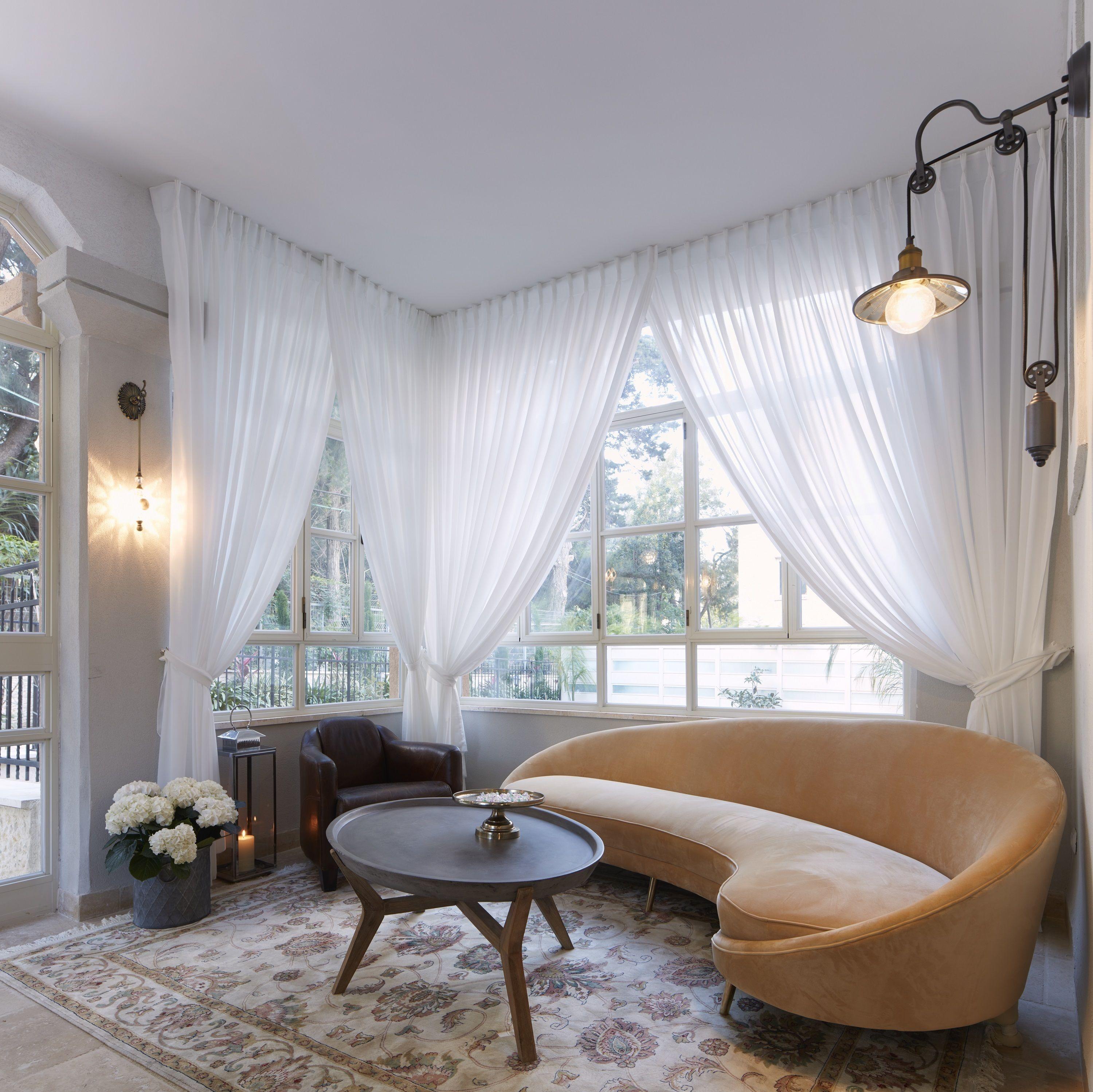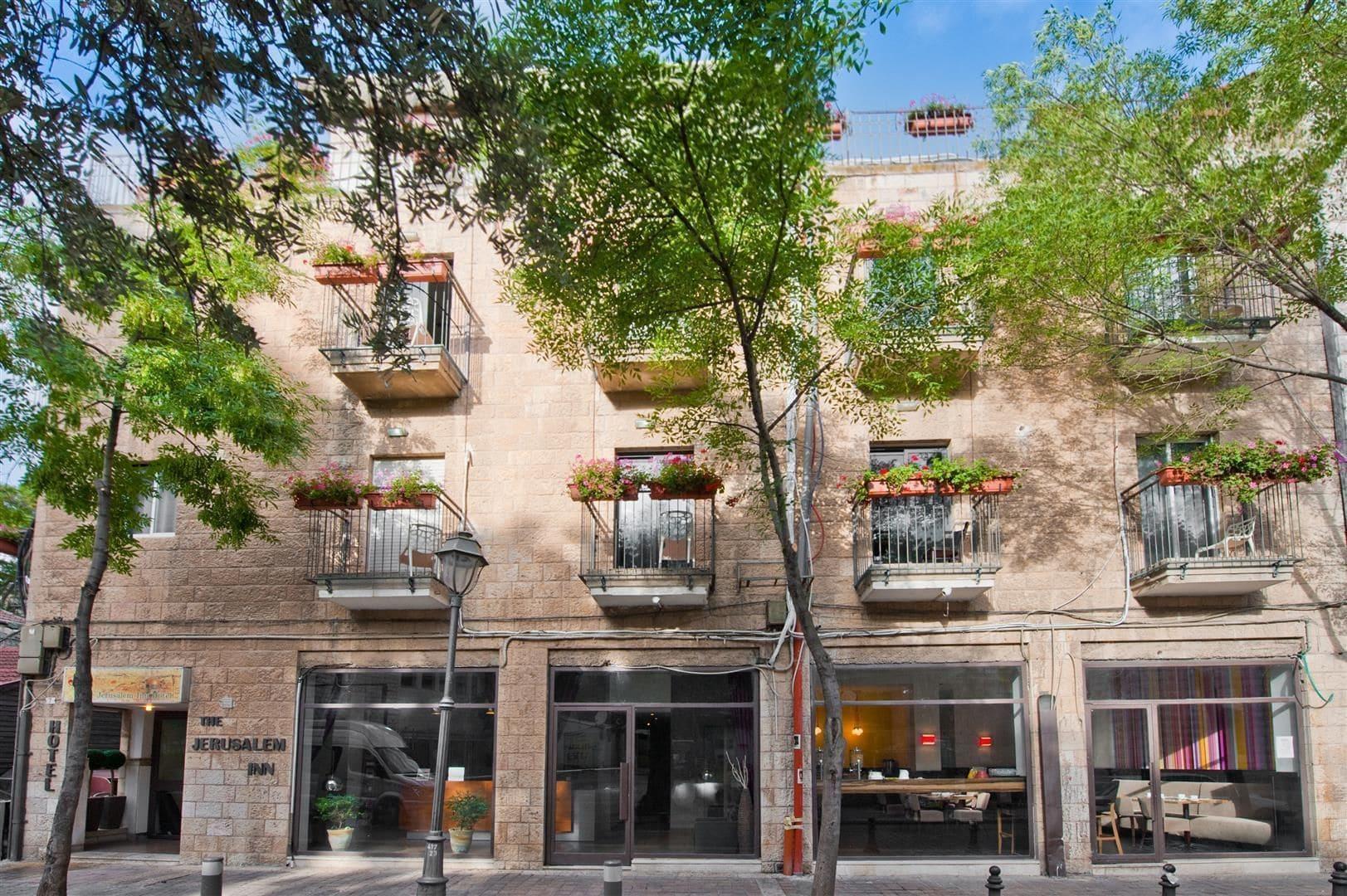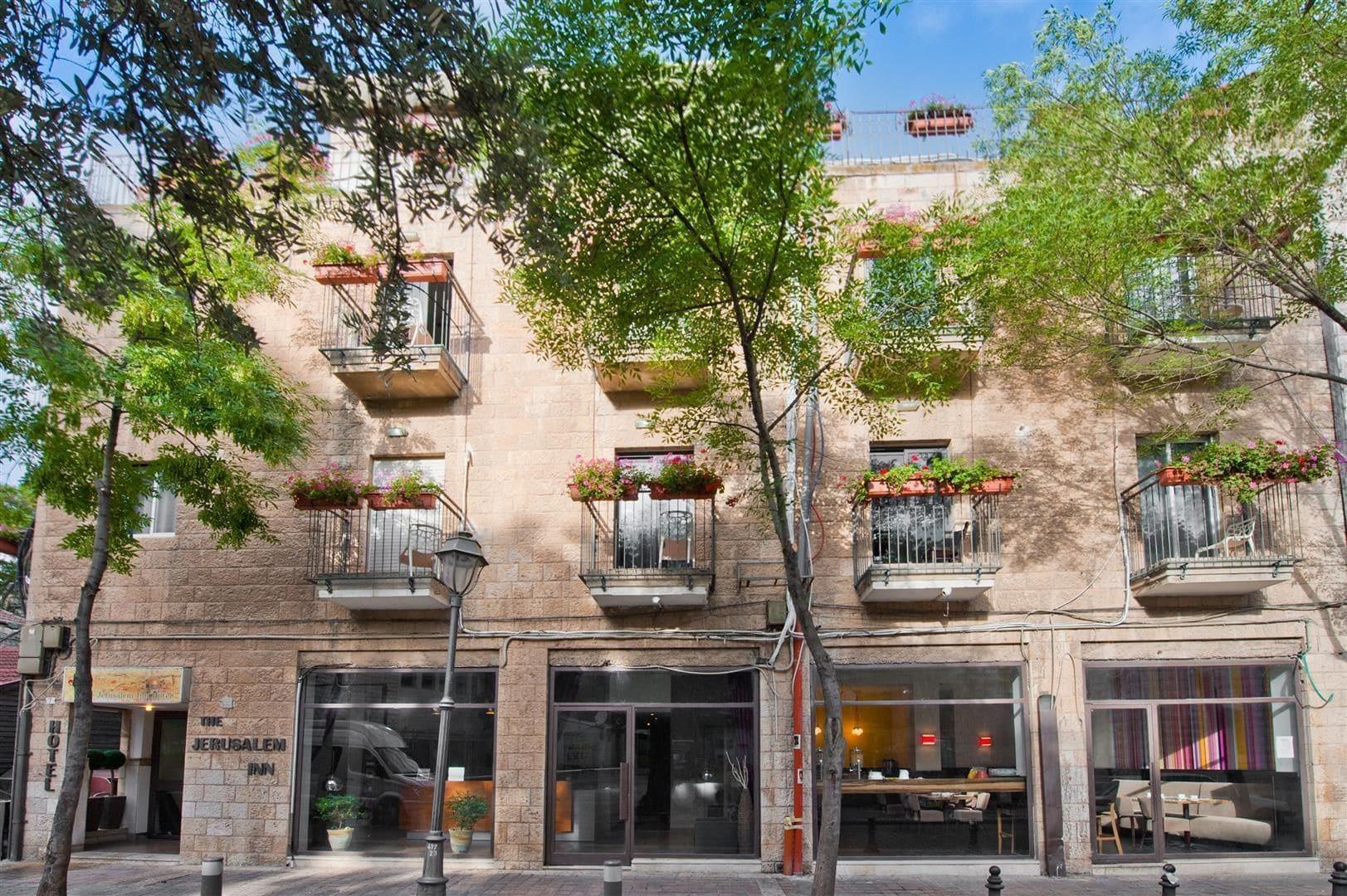
Israel packs an extraordinary diversity of destinations into a compact geography - from the mystical alleyways of Safed and the sacred streets of Jerusalem to the Red Sea coastline of Eilat and the biblical landmarks of Nazareth. Choosing a centrally located hotel here is not just about convenience; it's a strategic decision that can define how much you see, how you get around, and how deeply you connect with each destination. This guide breaks down the best central hotels across Israel's key regions, giving you the practical insights you need to book with confidence.
What It's Like Staying in Israel & the Middle East
Israel is one of the most destination-dense countries in the world, where a drive of around 2 hours can take you from a Red Sea beach resort to an ancient hilltop city with medieval synagogues. Transport infrastructure varies significantly by region - Jerusalem and Tel Aviv are well-served by buses and light rail, while cities like Safed and Nazareth require more planning for public transit. Eilat sits at Israel's southern tip and is accessible primarily by air or a long road journey, making hotel location within the city especially important. Choosing a centrally positioned hotel directly impacts how much walking, waiting, and logistical effort your trip demands.
Pros:
- Extraordinary concentration of UNESCO-level historical and religious landmarks within short driving distances
- Central hotels in Israel place guests near key attractions, markets, and transport hubs without requiring a car for daily sightseeing
- Diverse culinary and cultural experiences - from Glatt Kosher dining in Jerusalem to Arab-Christian neighborhoods in Nazareth - are accessible on foot from central properties
Cons:
- High season (Passover, Easter, and Jewish holidays) drives up prices and reduces availability, especially in Jerusalem and Safed
- Some central locations, particularly in the Old City areas, involve uneven cobblestone terrain that is challenging for travelers with limited mobility
- Noise levels in central urban zones - especially near markets or religious sites - can be significant during early morning hours
Why Choose Central Hotels in Israel & the Middle East
Central hotels in Israel's key cities offer a fundamentally different experience from resort-isolated or suburban properties - they put guests within walking distance of the cultural and historic core of each destination. In Jerusalem, a central hotel cuts out the need for daily transit entirely for most sightseeing, while in Eilat, proximity to the beachfront and city center determines access to water sports, dining, and the marina. Prices for well-located hotels in Israel's top cities typically run higher than peripheral accommodations by around 30%, but the time and logistical savings are substantial for short stays. Room sizes in central urban hotels tend to be more compact than resort-style alternatives, though renovated boutique properties - particularly in Safed and Nazareth - often offset this with architectural character and design.
Pros:
- Immediate access to the core of each city's cultural, religious, and culinary offer without relying on taxis or rental cars
- Central positioning in Israel's smaller cities like Safed means being surrounded by artist galleries, ancient synagogues, and historic lanes within minutes on foot
- Many central hotels in Israel include kosher dining, a critical practical feature for observant Jewish travelers
Cons:
- Central hotels in religious cities like Jerusalem may observe Shabbat restrictions, limiting elevator use, check-in/out times, and amenity availability on Friday evenings and Saturdays
- Parking in city-center locations can be limited or paid, with free parking being a notable exception rather than the rule
- Boutique central properties in historic buildings may have structural limitations (narrow stairways, no elevator) that affect accessibility
Practical Booking & Area Strategy for Israel
Israel's geography means each city serves a different traveler profile: Jerusalem suits history-focused and religious travelers, Safed appeals to those seeking mystical atmosphere and artist culture, Eilat draws beach and diving visitors, and Nazareth is the anchor for Christian pilgrimage in the Galilee. For Jerusalem, a hotel near the entrance to the city offers fast bus and train access to the Old City - a practical compromise between cost and convenience. In Eilat, beachfront or near-city-center positioning is essential, as the city is walkable but distances to the beach and the airport matter considerably. Safed's Artist Colony quarter is both the cultural heart and the most atmospheric base for exploring the city's ancient synagogues and galleries. Book at least 8 weeks in advance for travel during Passover, Easter, or the High Holy Days period, when occupancy across Jerusalem, Nazareth, and Safed reaches capacity. Nazareth's central properties offer easy access to the Basilica of the Annunciation, the Greek Orthodox churches, and the vibrant Old Market souk.
Best Value Central Hotels
These properties deliver strong central positioning and distinctive character at accessible price points across Israel's most visited cities.
-
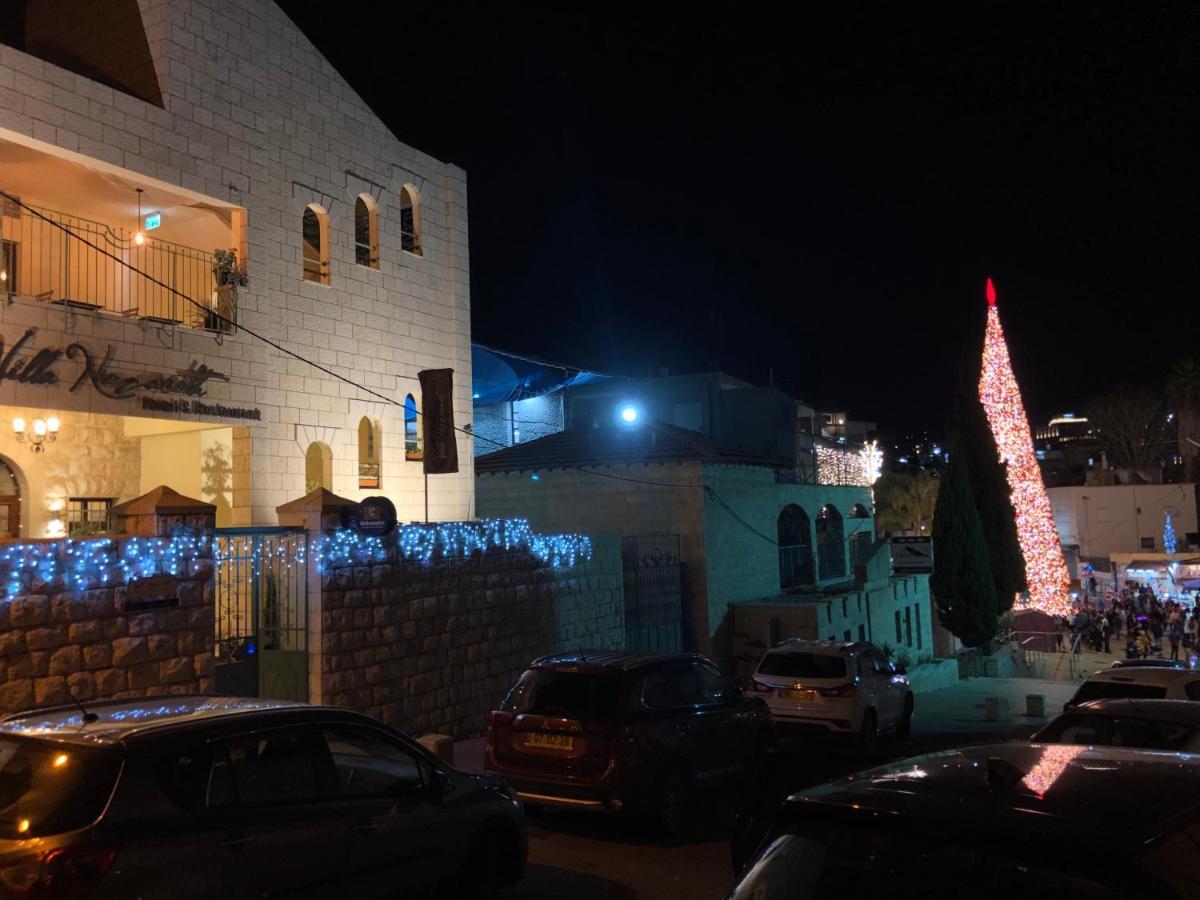
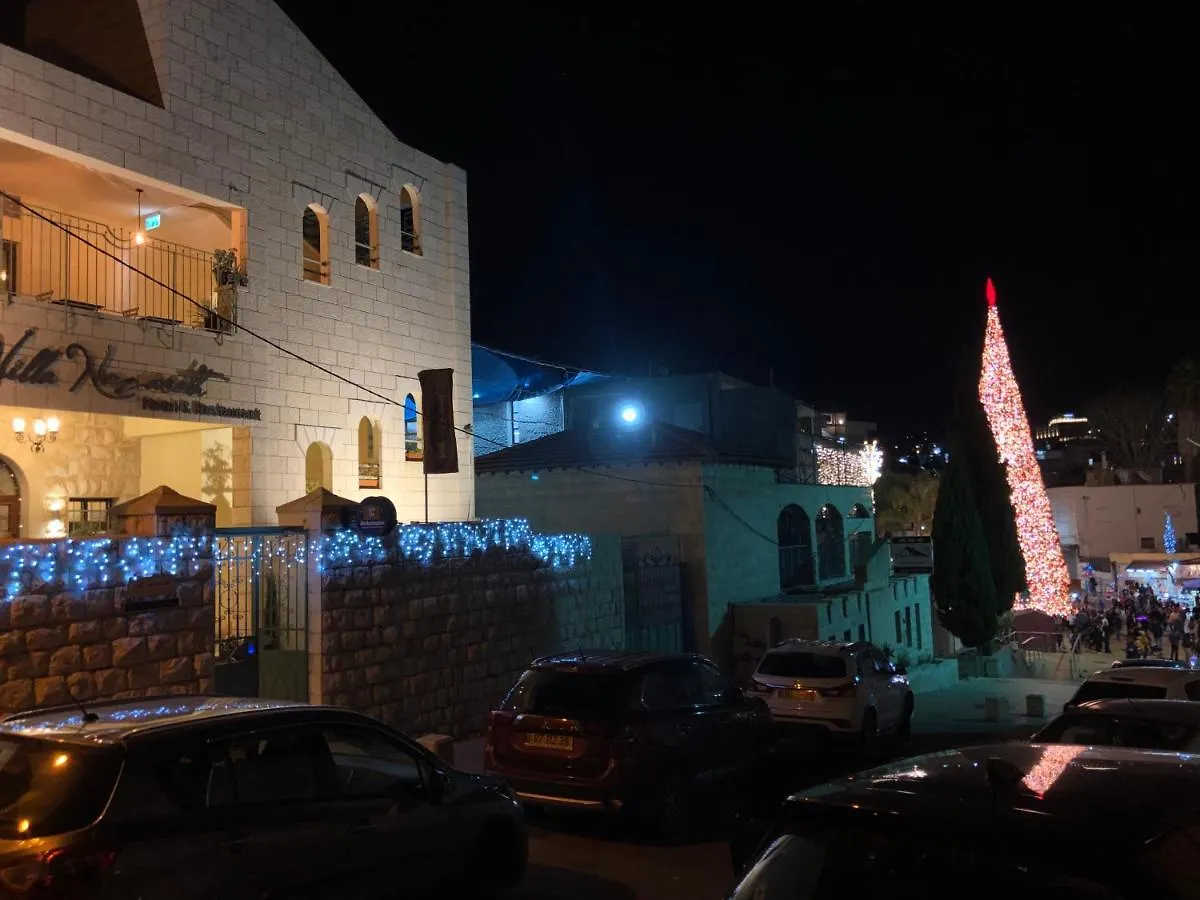
1. Villa Nazareth - Boutique Hotel In A Central Location
Show on map


 Check-infrom 14:00 until 22:00Check-outuntil 12:00
Just a few rooms left at the best rate!
fromILS 421
-
2. Jerusalem Gate Hotel
Show on map


 Check-infrom 15:00 until 23:59Check-outuntil 11:00
Just a few rooms left at the best rate!
fromILS 543
-
3. Riviera By Isrotel Collection
Show on map


 Check-infrom 16:00 until 23:59Check-outuntil 11:00
Hurry – almost gone at this price!
fromILS 288
Best Premium Central Stays
These hotels combine prime central positioning with elevated facilities, distinctive architectural settings, or landmark-level amenities across Israel's most iconic destinations.
-
4. Ruth Safed By Dan Hotels
Show on map


 Check-infrom 15:00 until 23:59Check-outuntil 11:00
Hurry – almost gone at this price!
fromILS 515
-
2. The Way Inn - Boutique Suites
Show on map


 Check-infrom 15:00 until 18:00Check-outfrom 08:00 until 10:00
Rooms filling fast – secure the best rate!
fromILS 885
-
3. Leonardo Plaza Hotel Eilat
Show on map


 Check-infrom 15:00 until 23:59Check-outfrom 06:00 until 11:00
Rooms filling fast – secure the best rate!
fromILS 840
Smart Travel & Timing Advice for Israel
Israel's peak travel periods are heavily influenced by the Jewish and Christian religious calendars, and timing your visit strategically can mean the difference between a seamless trip and sold-out properties at doubled rates. Passover (March-April) and the High Holy Days (September-October) drive the sharpest demand spikes in Jerusalem and Safed, while Eilat peaks during Israeli school holidays and European winter escapes, particularly December through February when northern Europe travelers seek winter sun. The shoulder periods of May-June and October-November offer the best balance of weather, price, and crowd levels across most Israeli destinations. For Nazareth and Galilee properties, Christian pilgrimage traffic peaks around Easter and Christmas, though the December-January period in Nazareth carries a distinct festive atmosphere that many travelers specifically seek. A minimum of 2 nights is recommended in each city to meaningfully engage with the cultural depth on offer - one-night stops in Jerusalem or Safed in particular leave most of the key sites unvisited. Book central hotels in Jerusalem and Safed at least 8 weeks ahead for any religious holiday period; last-minute availability in these cities during peak windows is extremely limited.