Galilee stretches across northern Israel, covering three distinct urban bases - Haifa on the coast, Nazareth in the Lower Galilee hills, and Tiberias on the western shore of the Sea of Galilee. Staying centrally in any of these cities means direct access to religious landmarks, archaeological sites, and regional transport hubs without relying heavily on rental cars or taxis. This guide breaks down 4 centrally located hotels across the Galilee region to help you make a sharper booking decision.
What It's Like Staying in Galilee
Galilee is one of Israel's most geographically and culturally layered regions - home to Christian pilgrimage routes, Druze villages, Baháʼí World Heritage sites, and a working lakeside city in Tiberias. Transport between cities is functional but slow, with intercity buses connecting Haifa, Nazareth, and Tiberias, though frequency drops significantly on Shabbat (Friday evening to Saturday night). Staying centrally within any one of these cities makes a meaningful difference, as distances between landmarks inside each city are walkable, but inter-city travel can add around 90 minutes to your day.
Haifa attracts a mix of Israeli domestic tourists and international visitors drawn to the Baháʼí Gardens, while Nazareth draws Christian pilgrims and cultural travelers year-round. Tiberias is the most tourism-oriented of the three, with a concentrated strip of hotels, restaurants, and boat tours directly on the Sea of Galilee. Who benefits most from staying in Galilee? Pilgrimage travelers, history-focused visitors, and anyone building a northern Israel road trip. Those seeking nightlife or beach resort amenities may find the region limiting.
Pros:
- Direct access to biblical and UNESCO-listed landmarks without long drives
- Galilee's three main cities each offer distinct cultural identities within one region
- Centrally located hotels place major attractions within walking distance
Cons:
- Shabbat transport shutdowns can severely limit movement if you're car-free
- Inter-city distances require planning - Haifa to Tiberias takes around 90 minutes
- Tourist infrastructure in Nazareth is thinner compared to Tel Aviv or Jerusalem
Why Choose Central Hotels in Galilee
Central hotels in Galilee typically sit within walking distance of the main religious sites, market streets, or waterfront promenades that define each city's identity. In Tiberias, a central position means direct access to the Sea of Galilee shoreline and the Tomb of Maimonides. In Haifa, centrality places you near the Baháʼí Gardens and the German Colony. Prices for central hotels in Galilee are notably lower than comparable centrally located properties in Tel Aviv or Jerusalem - making the region strong value for positioning-focused travelers.
Room sizes in Galilee's central hotels tend to be more generous than urban counterparts in Israel's major cities, partly because the buildings are often older or converted historic structures. The trade-off is that some central Haifa and Nazareth streets carry noise from market traffic and tourism activity, particularly on Christian holy days and Jewish holidays. Around 60% of visitors to Galilee combine at least two of the three main cities in a single trip, which makes choosing a hotel with parking or proximity to a bus terminal a practical priority rather than a luxury preference.
Pros:
- Walkable access to key attractions reduces daily transport costs and time
- Central Galilee hotels offer competitive rates compared to Israel's main cities
- Historic or converted buildings often deliver more character per price point
Cons:
- Street noise near markets and religious sites can affect lighter sleepers
- Parking in central Haifa and Nazareth is limited and often charged separately
- Fewer on-site amenity options compared to large resort-style hotels on the Sea of Galilee
Practical Booking & Area Strategy
For travelers prioritizing religious sites, Nazareth is the most efficient base - the Basilica of the Annunciation, the Greek Orthodox Annunciation Church, and the old souk are all reachable on foot from a central property. Haifa rewards those who want coastal access combined with cultural depth; the Baháʼí Terraces are a 10-minute walk from the German Colony, and Haifa Port connects to Akko in under 30 minutes by train. Tiberias is the go-to for Sea of Galilee experiences - boat tours, baptism sites, and Capernaum are all within a short drive.
Book well ahead if your dates overlap with Easter, Christmas, or Passover, when Nazareth and Tiberias fill up fast and prices rise sharply. Haifa tends to have more availability during peak pilgrimage seasons, making it a solid fallback base with good regional connectivity. For a multi-city Galilee itinerary, consider splitting nights between Tiberias and Haifa rather than commuting daily - it saves around 3 hours of transit across a typical 5-night trip.
Best Value Stays
These properties offer strong central positioning in their respective Galilee cities at accessible price points, with practical amenities suited to both pilgrimage and leisure travelers.
-
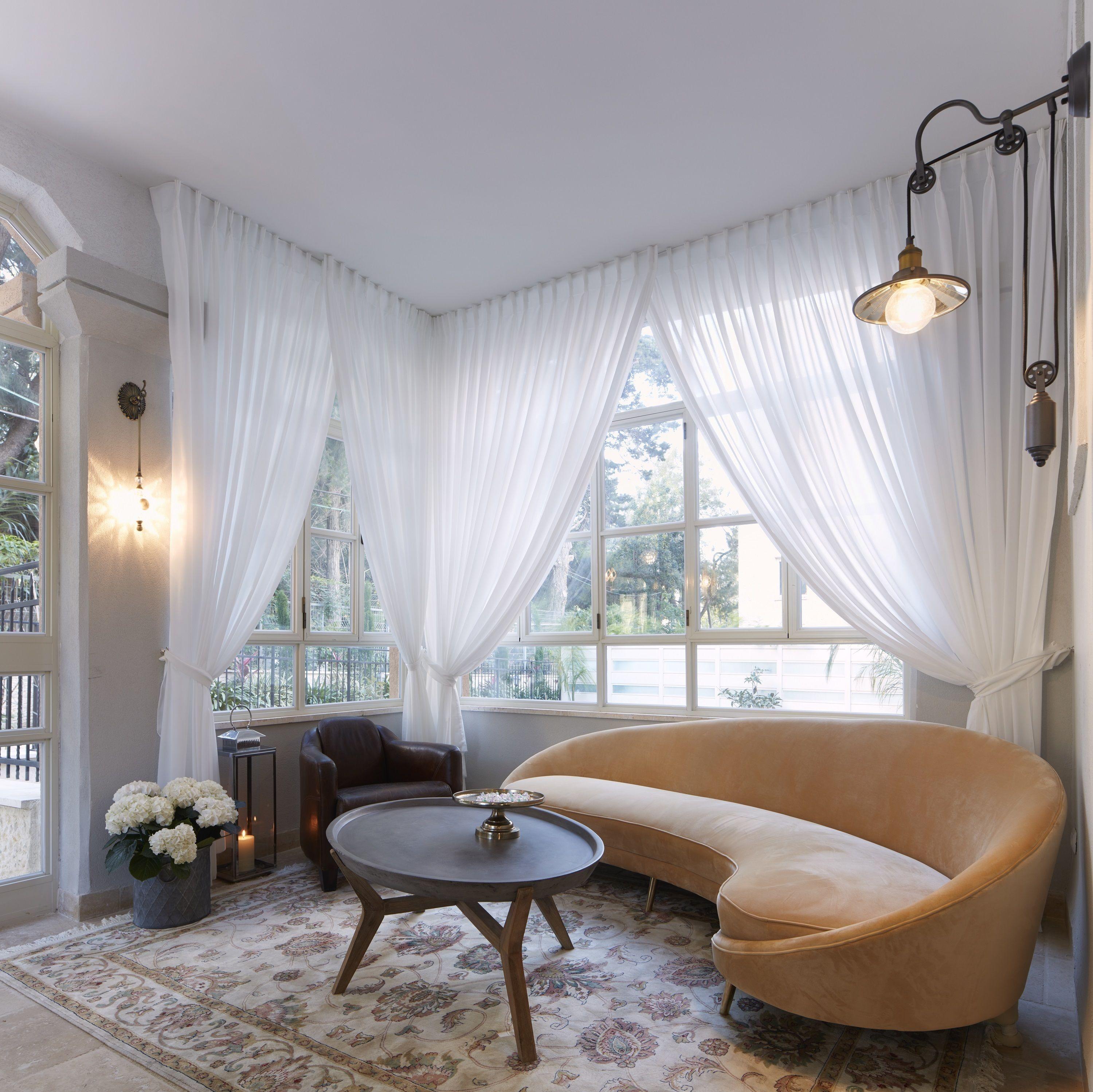
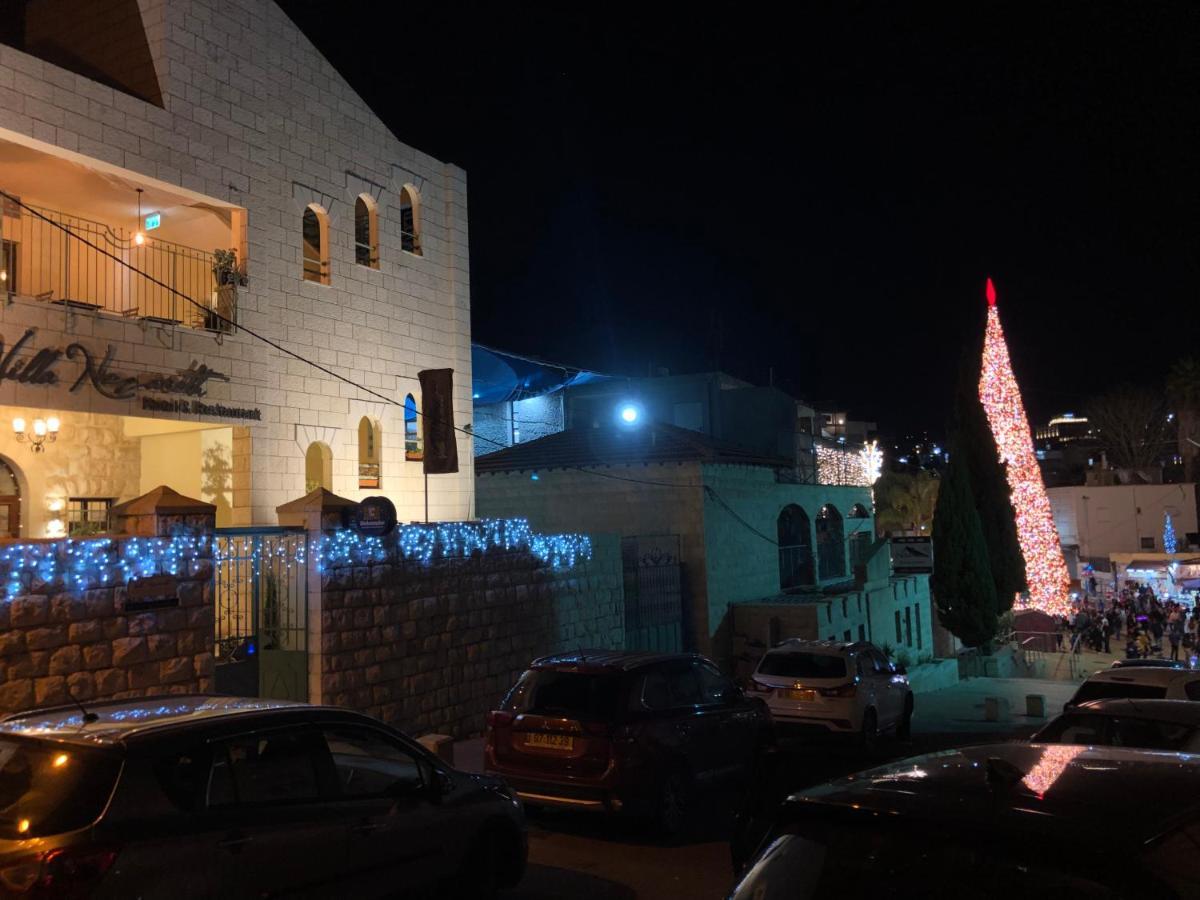
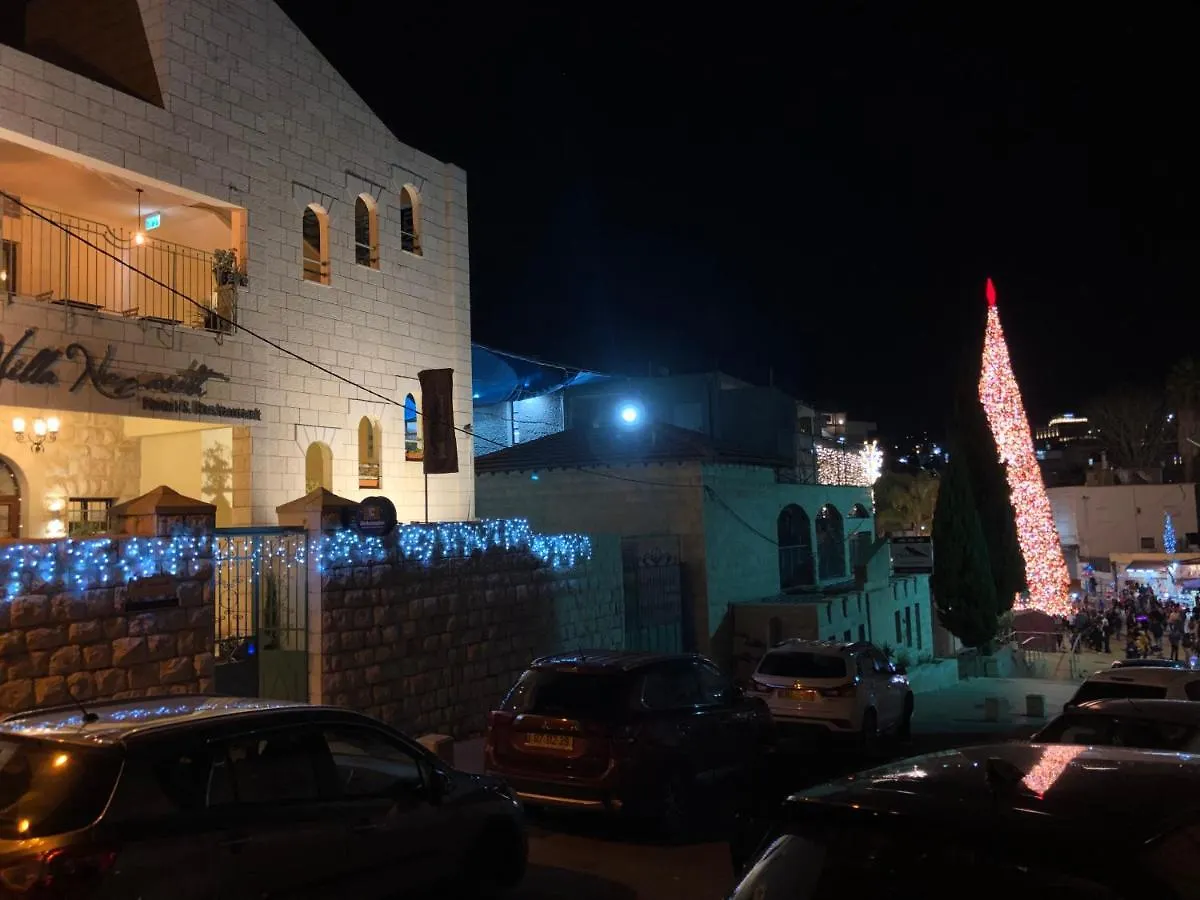
1. Villa Nazareth - Boutique Hotel In A Central Location
Show on map


 Check-infrom 14:00 until 22:00Check-outuntil 12:00
Just a few rooms left at the best rate!
fromILS 421
-
2. Haifa Tower Hotel - מלון מגדל חיפה
Show on map


 Check-infrom 14:00 until 23:59Check-outfrom 10:00 until 11:00
Just a few rooms left at the best rate!
fromILS 806
Best Premium Stays
These properties offer higher-specification facilities, stronger landmark positioning, or distinctive historic character that justify their placement in the upper tier of Galilee's central hotel options.
-
3. Carmella Spa & Boutique Hotel
Show on map


 Check-infrom 15:00 until 21:30Check-outuntil 11:00
Hurry – almost gone at this price!
fromILS 376
-
4. Leonardo Hotel Tiberias
Show on map


 Check-infrom 15:00 until 23:59Check-outuntil 11:00
Rooms filling fast – secure the best rate!
fromILS 552
Smart Travel & Timing Advice for Galilee
The best time to visit Galilee for comfortable travel conditions is between October and early December or from late February through April - temperatures are mild, crowds are manageable, and prices sit below peak levels. Easter and Passover mark the sharpest demand spike across all three cities, particularly in Nazareth and Tiberias, where accommodation can sell out weeks in advance. Summer months (July-August) bring intense heat to Tiberias, where temperatures regularly exceed 37°C, making outdoor sightseeing harder to sustain through midday hours.
For a first visit to Galilee, around 3 nights spread across two cities is enough to cover the main draws without feeling rushed - one or two nights in Tiberias for the lake and northern Galilee day trips, and one night in Nazareth or Haifa for the urban and religious sites. Last-minute bookings are risky between March and May and over Jewish High Holidays; outside those windows, availability is generally good and some last-minute deals do appear. Booking 6 weeks ahead during shoulder seasons typically secures the best combination of price and room choice.