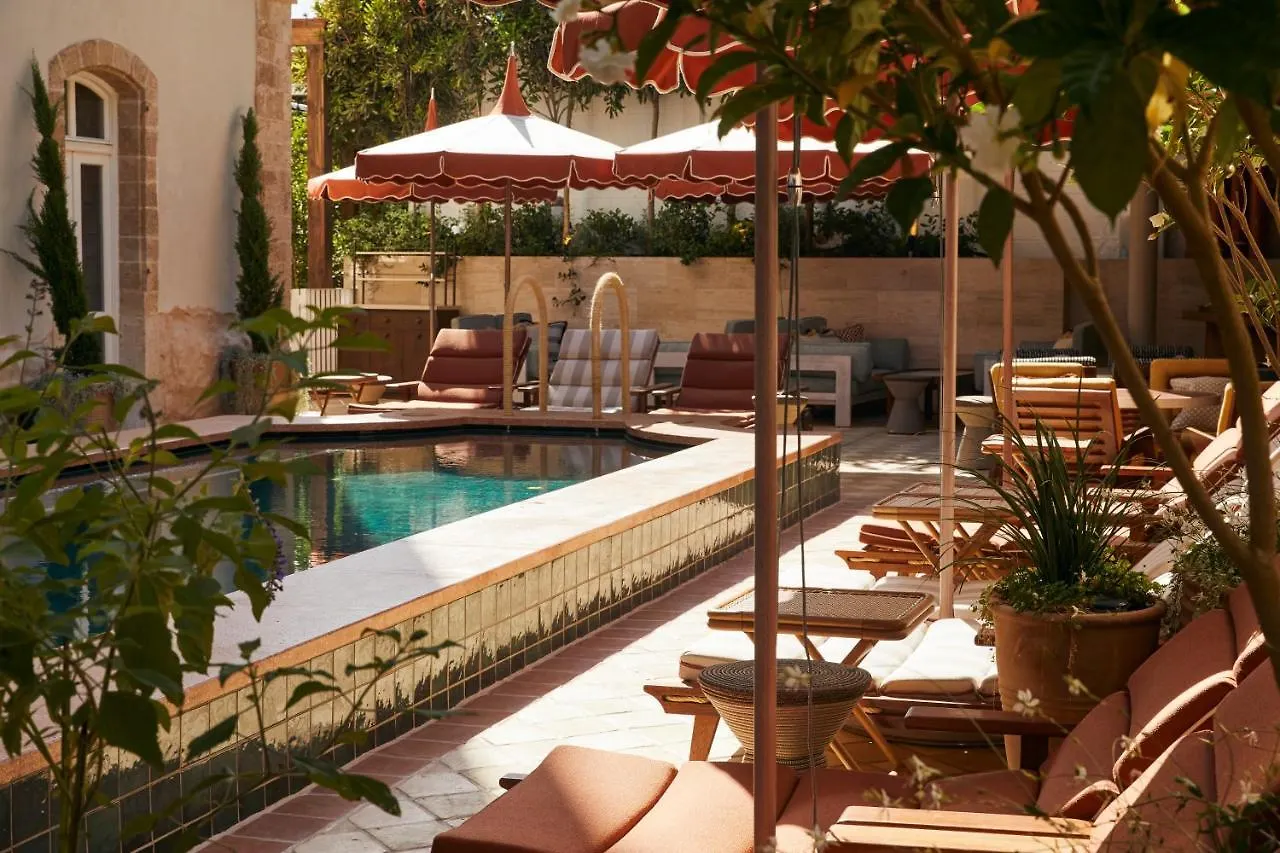
Israel packs an extraordinary variety of experiences into a small country - Mediterranean beaches in Tel Aviv, Bahá'í gardens in Haifa, ancient alleyways in Old Jaffa, and a culinary scene that rivals Europe's best. Whether you're here for three nights or two weeks, choosing the right hotel and city determines how much of this you can realistically access without wasting half your day in transit.
What It's Like Staying in Israel
Israel is a country where the Old City of Jerusalem sits within driving distance of a vibrant seafront in Tel Aviv, the Negev desert stretches south, and the Sea of Galilee anchors the north - all within a territory roughly the size of New Jersey. Tel Aviv operates as a 24/7 city with a beach culture that stays active well into the evening, while Haifa moves at a slower, more residential pace. Crowd patterns shift dramatically during Jewish holidays such as Passover and Sukkot, when domestic tourism spikes and accommodation in major cities books out weeks in advance.
Pros:
- Exceptional geographic density - you can visit the Dead Sea, Jerusalem's Old City, and Tel Aviv's Neve Tzedek neighborhood in a single long day if based centrally
- Ben Gurion Airport connects to most European capitals with under a 4-hour flight, making Israel practical for shorter trips
- The Mediterranean coastline along Tel Aviv offers year-round mild weather, with over 300 sunny days annually
Cons:
- High security protocols at airports and tourist sites add time to every movement - factor around 3 extra hours for airport departure
- Hotels in Tel Aviv command premium prices during peak season (March-May, September-October), often outpacing comparable European cities
- Friday evening and Saturday (Shabbat) significantly reduce restaurant options and public transport in most cities outside Tel Aviv
Why Choose a Hotel in Israel
Hotels in Israel vary sharply between cities: Tel Aviv properties lean toward design-forward, lifestyle-driven concepts with proximity to the beach and nightlife, while Haifa's hotel offerings are more understated but often come with panoramic views of the bay that Tel Aviv simply cannot replicate. Full-service hotels in Israel typically include breakfast, which is worth factoring into pricing comparisons - the Israeli breakfast spread (fresh salads, cheeses, eggs, breads) at a mid-to-upper hotel is a genuine meal, not a token continental offering. Pricing in Tel Aviv's seafront and south Tel Aviv areas can run around 30% higher than equivalent properties further inland or in Haifa.
Pros:
- Many Israeli hotels include a full buffet breakfast that significantly reduces daily food costs
- Beachfront and sea-view properties in Tel Aviv offer direct access to one of the most walkable urban coastlines in the Mediterranean
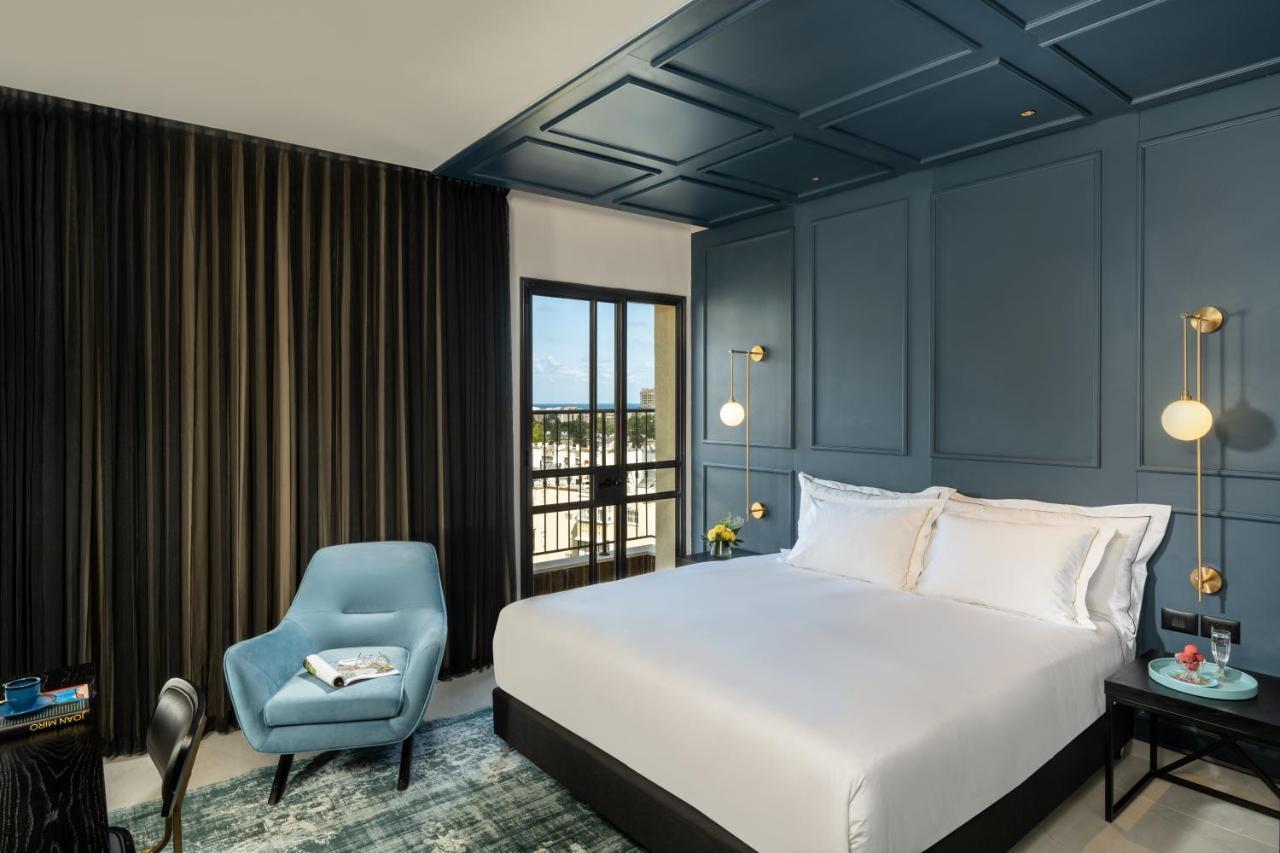
- Hotels in the 4-5 star segment in Israel consistently deliver large room sizes compared to equivalent European city hotels
Cons:
- Prices spike steeply during Jewish holidays and peak travel months - last-minute availability is unreliable
- Some central Tel Aviv hotels sit on high-traffic streets where street noise is a real factor through the night
- Parking fees at urban hotels in Tel Aviv can add a significant daily cost if you plan to rent a car
Practical Booking & Area Strategy
Tel Aviv is the natural base for first-time visitors: the light rail now connects the city center to Ben Gurion Airport in under 30 minutes, and the seafront promenade runs continuously from the port in the north to Old Jaffa in the south - walkable in under an hour. Haifa works better as a deliberate destination for travelers interested in the Carmel area, the Bahá'í Terraces (a UNESCO site), and a slower urban rhythm; it's also Israel's main port city with a distinct Arab-Jewish neighborhood mix worth exploring. For those planning to visit Jerusalem, staying in Tel Aviv and taking the fast train (around 30 minutes) is often more practical than basing yourself in Jerusalem, where hotel options are more limited and prices for comparable quality run higher. Jaffa - now absorbed into greater Tel Aviv - functions as a hidden gem for travelers who want the beach access of Tel Aviv with a more layered, historically textured street environment and fewer tourist crowds on weekday evenings.
Hotels in Tel Aviv - Seafront & South
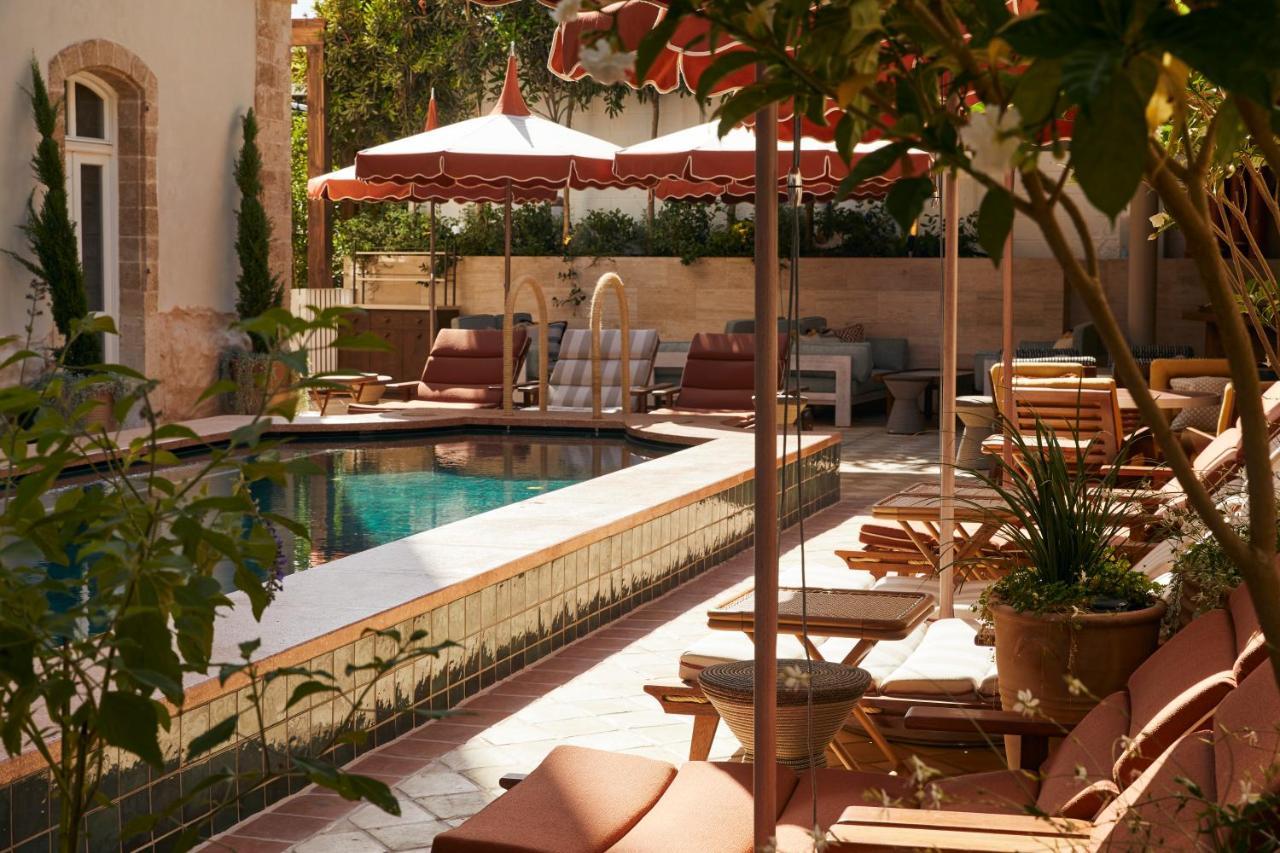
Tel Aviv's strongest hotel corridor runs along the seafront from Gordon Beach south to Alma Beach and into Jaffa. Properties here give direct access to the beach, the Neve Tzedek design district, and the Carmel Market, all within walking distance.
-
1. Soho House Tel Aviv
Show on map


 Check-infrom 15:00 until 23:59Check-outuntil 12:00
Just a few rooms left at the best rate!
fromILS 1470
-
2. Joseph Hotel Tlv
Show on map


 Check-infrom 15:00 until 22:00Check-outuntil 11:00
Just a few rooms left at the best rate!
fromILS 312
-
3. Dan Tel Aviv Hotel
Show on map


 Check-infrom 14:00 until 23:59Check-outuntil 12:00
Hurry – almost gone at this price!
fromILS 994
Hotels in Haifa - Carmel & Bay Views
Haifa's Carmel district sits elevated above the city, offering panoramic sightlines over the bay that are architecturally impossible to replicate at sea level. Hotels here suit travellers who prioritise views, proximity to the Bahá'í gardens, and a quieter urban rhythm compared to Tel Aviv.
-
4. Dan Panorama Haifa Hotel
Show on map


 Check-infrom 15:00 until 23:59Check-outuntil 12:00
Rooms filling fast – secure the best rate!
fromILS 485
Smart Travel & Timing Advice for Israel
The shoulder seasons - March to early May and mid-September to late October - deliver the best combination of mild weather, manageable crowds, and competitive hotel pricing across both Tel Aviv and Haifa. Passover (March/April) and the High Holidays (September/October) are exceptions within these windows: during those specific weeks, hotels across Israel reach near-full occupancy and prices can increase by around 40% compared to surrounding weeks, so booking at least 8 weeks in advance is strongly advised if your dates overlap with these periods. Summer (July-August) in Tel Aviv is hot and humid, with the beach becoming the primary activity anchor - hotels on or directly near the seafront justify their premium during these months more than at any other time of year. Winter (December-February) is the lowest-demand period, when rates drop noticeably and Tel Aviv's beach is still walkable even if not swimmable - a practical window for travellers focused on Jerusalem, the Galilee, or cultural itineraries rather than beach time. A minimum stay of 4 nights gives enough time to cover Tel Aviv, a day in Jerusalem, and one additional destination without feeling rushed; 7 nights allows for a meaningful north-south sweep including Haifa and the Dead Sea.
Frequently Asked Questions
Which of these hotels offers the best value for money in Israel?
Joseph Hotel TLV is the most accessible price point among the Tel Aviv properties, with a location under 1 km from Alma Beach, included breakfast, and concierge support for touring. For travellers not requiring a lifestyle-brand experience or beachfront pool deck, it delivers the core Israel base camp without the premium of Soho House or Dan Tel Aviv.
When is the cheapest time to book hotels in Israel?
December through February is consistently the lowest-demand window. Rates at both Tel Aviv and Haifa hotels drop noticeably, and availability is rarely an issue outside of Christmas week. Avoid the High Holiday weeks in September/October if budget is a priority - prices spike sharply during those specific dates.
Is it better to stay in Tel Aviv or Haifa when visiting Israel?
Tel Aviv is the stronger base for first-time visitors: it connects to Ben Gurion Airport in under 30 minutes by light rail, offers easy day-trip access to Jerusalem, and keeps options open for nightlife, beaches, and markets all in one city. Haifa suits travellers with a specific interest in the Carmel area, the Bahá'í gardens, or northern Israel itineraries - and the Dan Panorama's direct mall access is a practical advantage on Shabbat.
How far in advance should I book hotels in Israel?
For travel during Passover, High Holidays, or the peak summer months of July-August, booking at least 8 weeks in advance is strongly recommended. For winter travel or non-holiday spring/autumn dates, 3 to 4 weeks is generally sufficient at most of the properties listed here.
Which hotel has the best sea views in Tel Aviv?
Dan Tel Aviv Hotel holds the clearest advantage here - it sits directly on the seafront on Hayarkon Street, with many of its 280 rooms facing the Mediterranean and both the restaurant and bar sharing those sightlines. Soho House Tel Aviv is 600 metres from Alma Beach and has rooftop facilities, but the Dan's beachfront positioning is more direct.
Do these hotels include breakfast?
Dan Panorama Haifa and Joseph Hotel TLV both include breakfast options (buffet or continental). Dan Tel Aviv Hotel is noted for a very good breakfast. An Israeli hotel breakfast - with fresh salads, cheeses, eggs, and breads - is a full meal, so factor that into your daily food budget when comparing rates.
Is it safe to stay in Tel Aviv and Haifa as a tourist?
Both Tel Aviv and Haifa are considered among the safer urban environments in the Middle East for international tourists. The main practical consideration is situational awareness around security protocols at major sites and airports, which add time to travel rather than posing direct risk in normal circumstances. Check your government's travel advisory for real-time updates before booking.