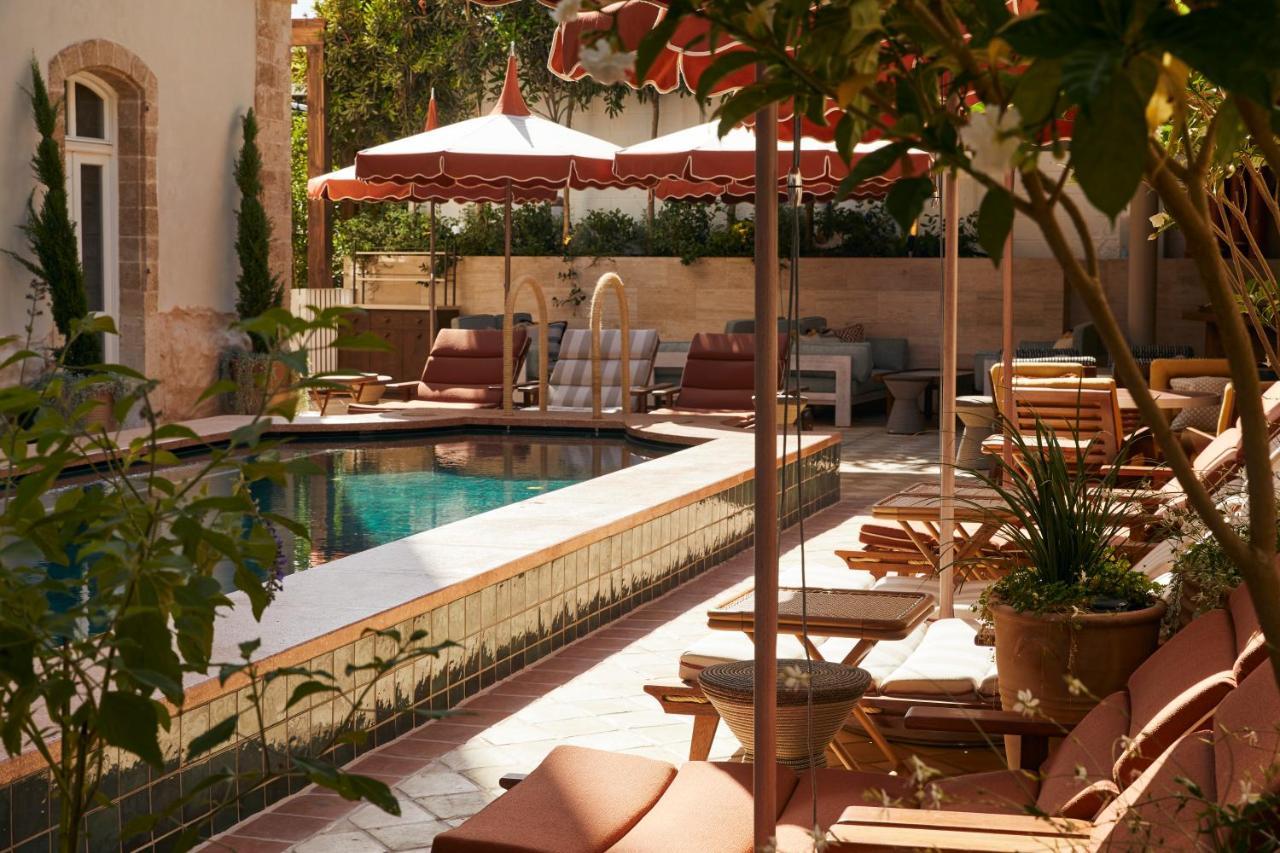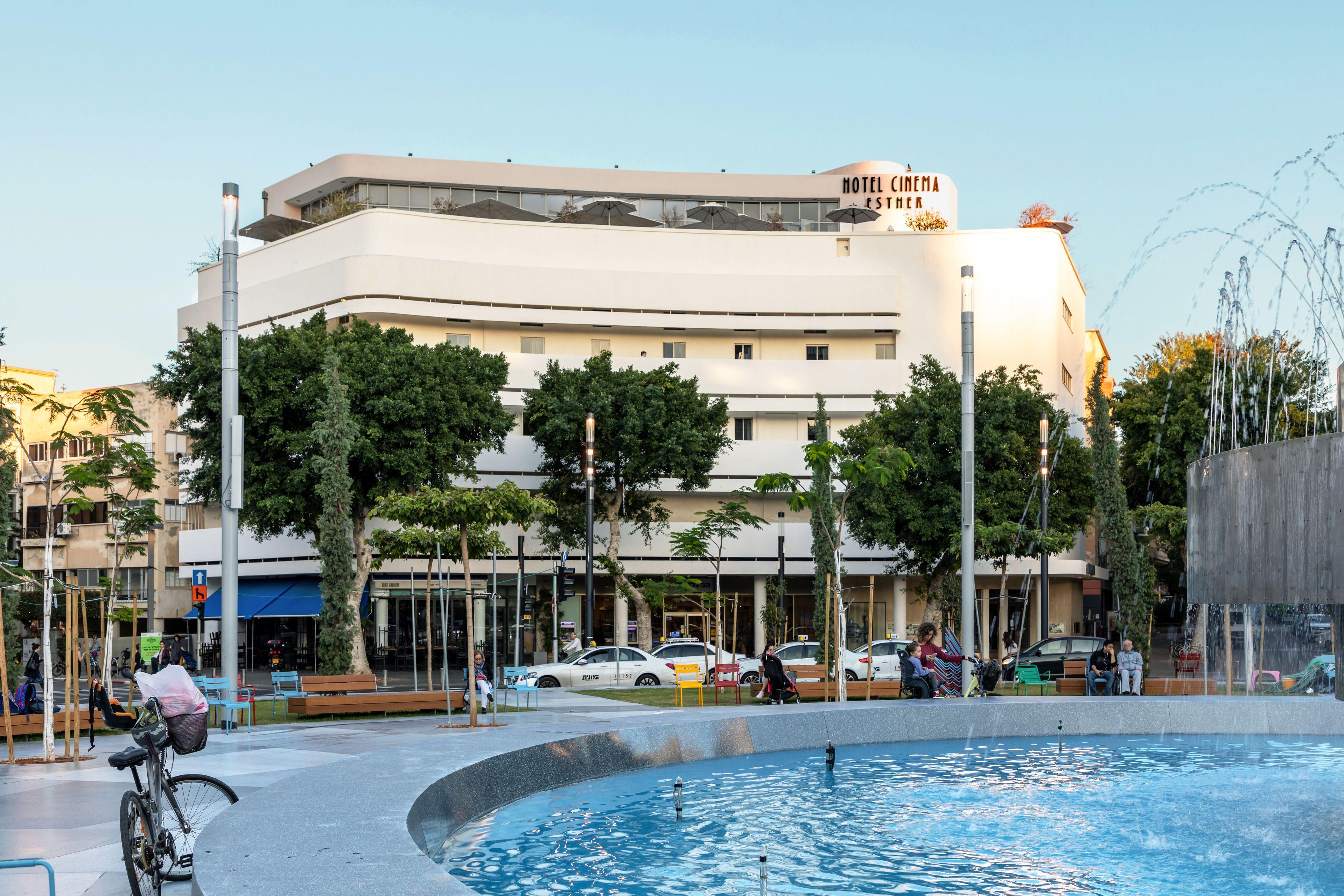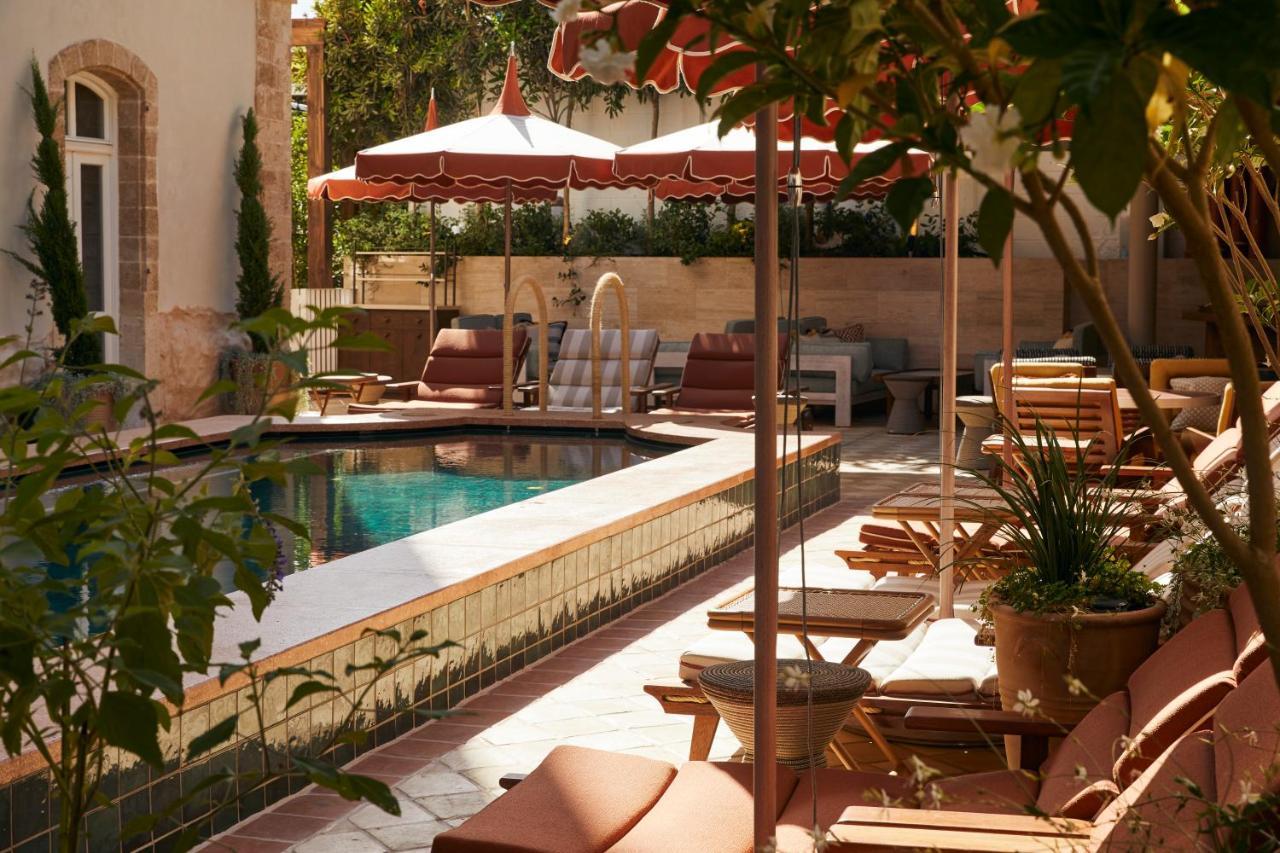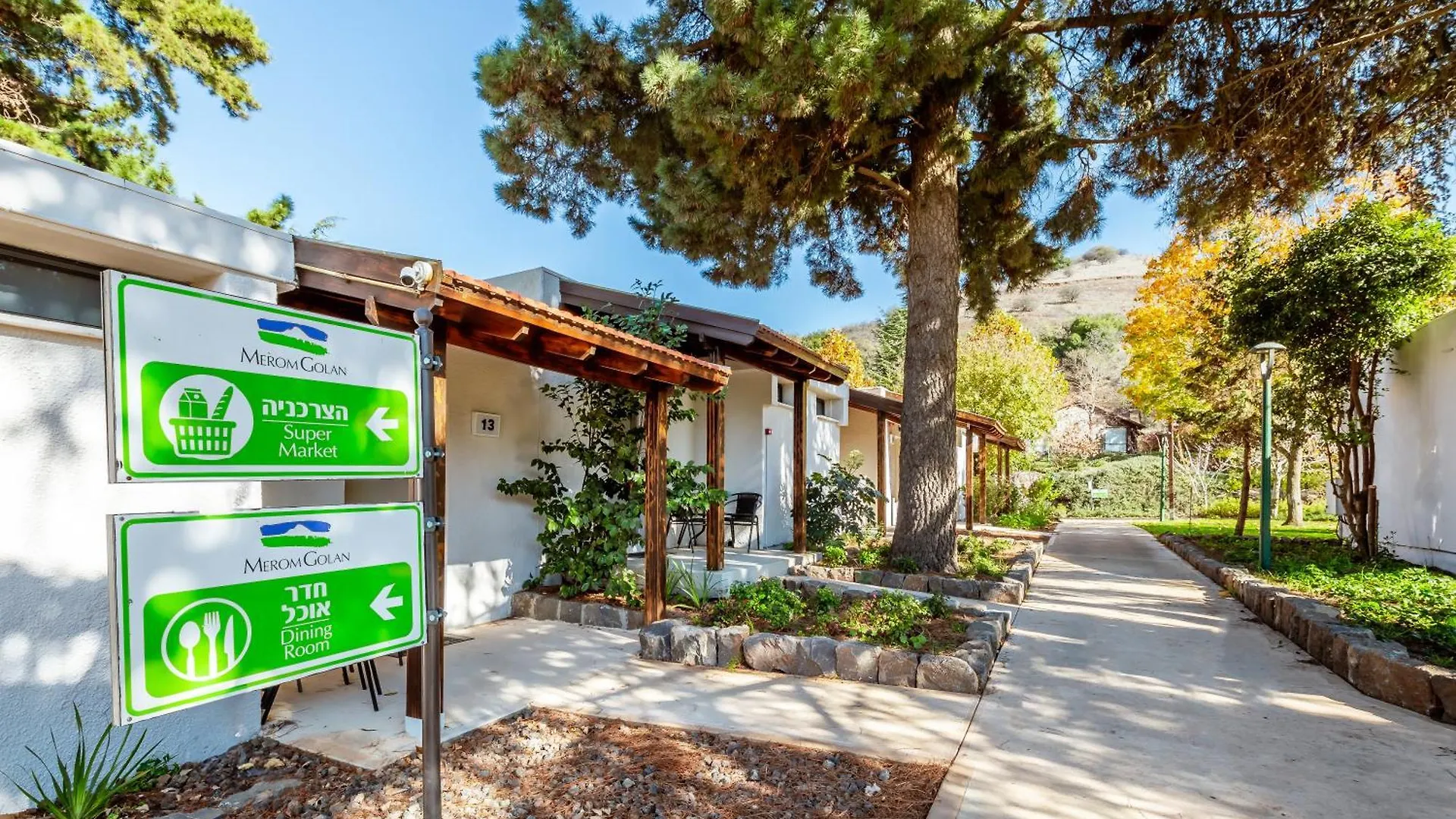
Israel packs an extraordinary range of landscapes into a small country - from the volcanic basalt plateaus of the Golan Heights to the Mediterranean coastline of Haifa, the sacred streets of Jerusalem's Old City, and the freshwater shores of the Sea of Galilee. Resort hotels in Israel tap directly into this geographic variety, offering guests not just a place to sleep but a base from which to explore nature reserves, religious landmarks, and coastal scenery. This guide covers 8 resort-style hotels across Israel's most distinctive regions, with practical detail to help you choose the right property for your trip.
What It's Like Staying in Israel
Israel is a country where ancient history and modern infrastructure exist side by side - you can walk the Via Dolorosa in Jerusalem's Old City in the morning and be at a Golan Heights nature reserve by afternoon. The country spans just 470 kilometers from north to south, which means most major sites are within a few hours' drive of each other, making it genuinely manageable to combine regions in a single trip. Crowd patterns vary significantly: Jerusalem and Tel Aviv stay busy year-round, while northern areas like the Galilee and Golan Heights thin out considerably on weekdays.
Pros:
Remarkable geographic diversity - Mediterranean coast, volcanic highlands, freshwater sea, and desert terrain are all accessible without long travel times
Strong tourism infrastructure with well-marked national parks, reliable intercity buses, and English-language signage in major areas
Unique combination of religious, historical, and natural attractions that cannot be replicated elsewhere in the region
Cons:
High season (Passover, Sukkot, and July-August) brings sharp price increases and crowded sites - early booking is essential
Security context requires checking current travel advisories before and during your trip
Shabbat (Friday sunset to Saturday night) significantly reduces transport and restaurant options in many cities
Why Choose a Resort Hotel in Israel
Resort hotels in Israel are not simply large hotels - they are typically anchored to a specific landscape or kibbutz environment, offering on-site amenities like pools, sports facilities, farm access, wellness centers, and nature trails that urban hotels cannot match. Many Israeli resorts are operated within kibbutzim, meaning guests experience an authentic communal agricultural setting alongside hotel-standard services. Compared to standard city hotels, resort properties often include breakfast in the rate and provide significantly more outdoor space, though they typically require a car to access nearby towns and attractions.
Pros:
On-site facilities (pools, spas, restaurants, sports courts) reduce the need to leave the property for leisure
Kibbutz-based resorts offer a culturally specific Israeli experience unavailable in urban accommodations
Better value per square meter - room sizes and garden access are notably larger than equivalent-priced city hotels
Cons:
Most resorts sit outside urban centers, making public transport access limited or impractical
Rates can spike by around 50% during Jewish holidays compared to off-peak periods
Dining options beyond the resort restaurant may require driving several kilometers
Practical Booking & Area Strategy
Choosing where to base yourself in Israel depends heavily on your itinerary priorities. The Golan Heights and Galilee region is the strongest base for nature-focused travelers - the area includes the Banias Nature Reserve, Mount Hermon, and the Sea of Galilee, all within 40 kilometers of most northern resorts. Haifa works well as a coastal and cultural base, with the Bahá'í Gardens, the Carmel Forest, and easy rail access to Tel Aviv. Jerusalem is non-negotiable for religious and historical visits, and the Old City is walkable from central accommodations. Tel Aviv suits those prioritizing nightlife, beaches, and contemporary culture. For visitors wanting to experience multiple regions, a central kibbutz resort can serve as an efficient geographic base - the north-central Galilee, for example, puts the Sea of Galilee, Nazareth, and Haifa all within an hour's drive.
Northern Israel Resorts: Golan Heights & Galilee
The northern region delivers Israel's most dramatic natural scenery - volcanic plateaus, nature reserves, and the Sea of Galilee - with resort properties that range from kibbutz farm stays to religious-sector lakeside hotels.
-
1. Merom Golan Resort
Show on map


 Check-infrom 15:00 until 22:00Check-outfrom 08:00 until 11:00
Just a few rooms left at the best rate!
fromILS 655
-
2. Kinar Galilee
Show on map


 Check-infrom 15:00 until 23:59Check-outuntil 11:00
Just a few rooms left at the best rate!
fromILS 649
-
3. Slowness - Kibbutz Moran
Show on map


 Check-infrom 15:00 until 22:00Check-outuntil 12:00
Just a few rooms left at the best rate!
fromILS 2304
Haifa & Carmel Region Resorts
The Haifa and Carmel area combines Mediterranean coastal access with forested highland retreats, offering resort properties that sit either within the city's cultural orbit or deep inside the Carmel Nature Reserve.
-
4. Hotel Botanica- Limited Edition By Fattal
Show on map


 Check-infrom 15:00 until 18:30Check-outuntil 11:00
Hurry – almost gone at this price!
fromILS 1483
-
2. Beit Oren Hotel
Show on map


 Check-infrom 15:00 until 21:00Check-outuntil 11:00
Hurry – almost gone at this price!
fromILS 252
Jerusalem & Tel Aviv Resort-Style Hotels
Jerusalem and Tel Aviv operate on very different tourism logics - Jerusalem draws visitors primarily for its religious and historical sites, while Tel Aviv is Israel's leisure and business hub. Both cities offer resort-adjacent properties that bring amenities typically associated with standalone resorts into dense urban environments.
-
1. Hashimi Hotel Old City Jerusalem
Show on map


 Check-infrom 13:30 until 23:59Check-outfrom 10:00 until 11:00
Hurry – almost gone at this price!
fromILS 582
-
2. Zion Hotel
Show on map


 Check-infrom 15:00 until 23:00Check-outfrom 07:00 until 11:00
Rooms filling fast – secure the best rate!
fromILS 340
-
3. The George Tel Aviv
Show on map


 Check-infrom 15:00 until 23:59Check-outuntil 11:00
Rooms filling fast – secure the best rate!
fromILS 1007
Smart Travel & Timing Advice for Resort Hotels in Israel
Israel's resort pricing follows a clear seasonal pattern tied to the Jewish holiday calendar rather than the Western tourist season alone. Passover (March-April) and Sukkot (September-October) are the two peak periods for domestic Israeli travel, when kibbutz resorts and nature-based properties book out weeks in advance and rates climb sharply. The summer months of July and August bring international tourists and raise coastal and lakeside resort prices, while northern mountain resorts like Merom Golan can remain more competitively priced. For the best balance of weather and availability, March (before Passover) and November are consistently the most favorable windows - temperatures are moderate, crowds are manageable, and rates drop noticeably. A stay of at least 3 nights at any resort outside a major city is generally the minimum to justify transport logistics and fully use on-site facilities. For Jerusalem and Tel Aviv properties, 2-night stays make logistical sense given better transport connections. Booking directly through the property or a dedicated regional site often unlocks better rates than international aggregators, particularly for kibbutz-based resorts that control their own inventory.