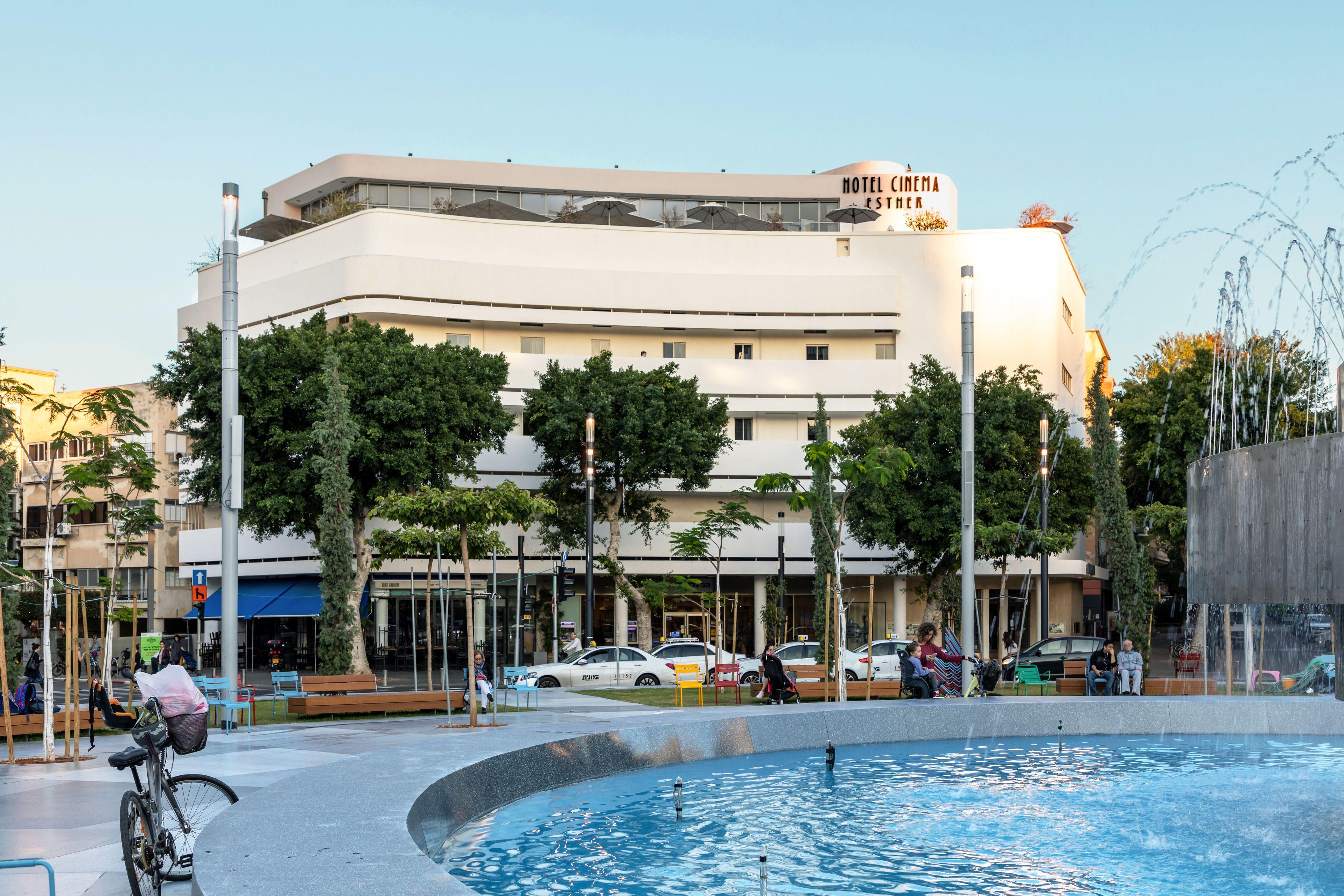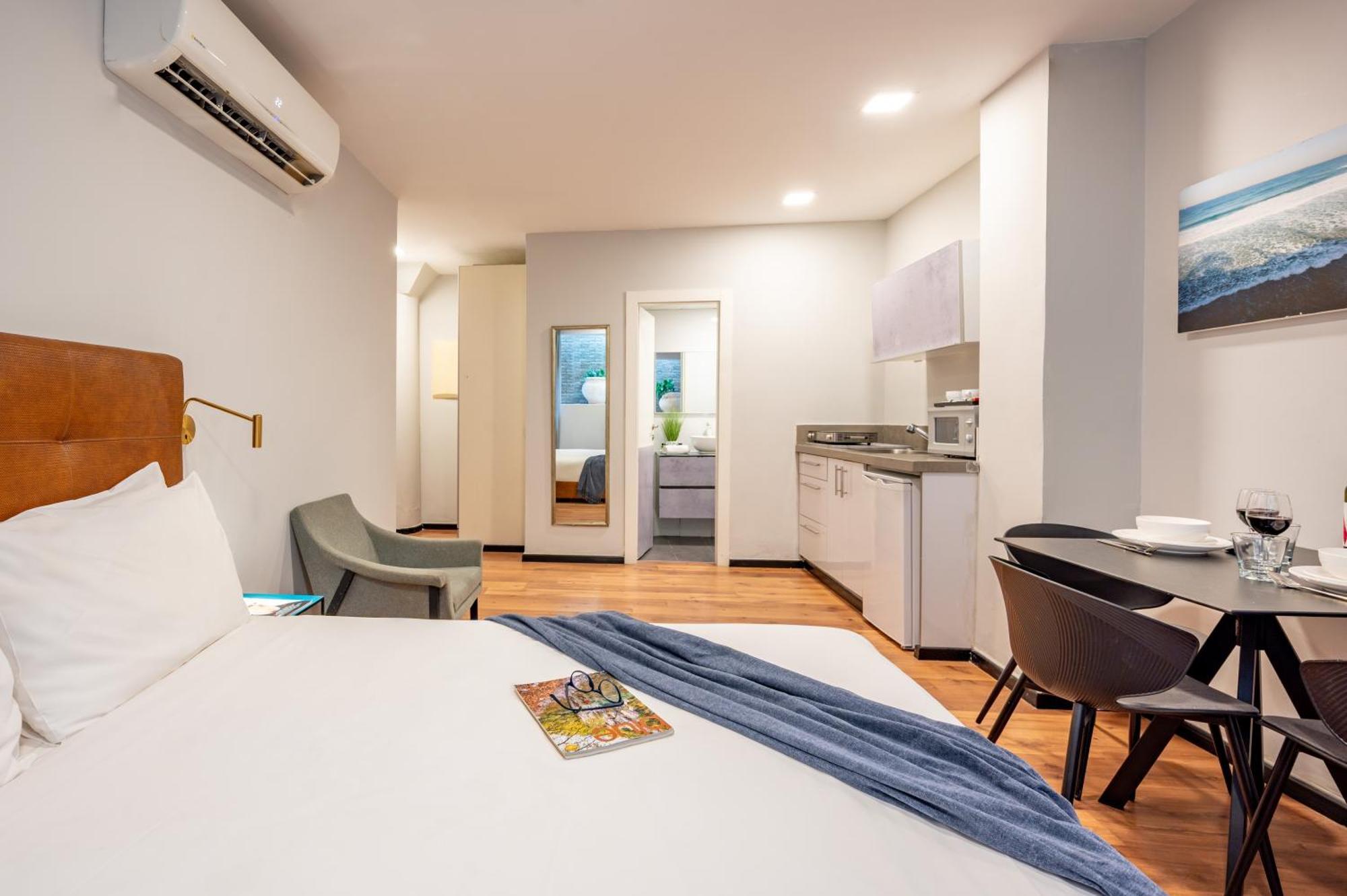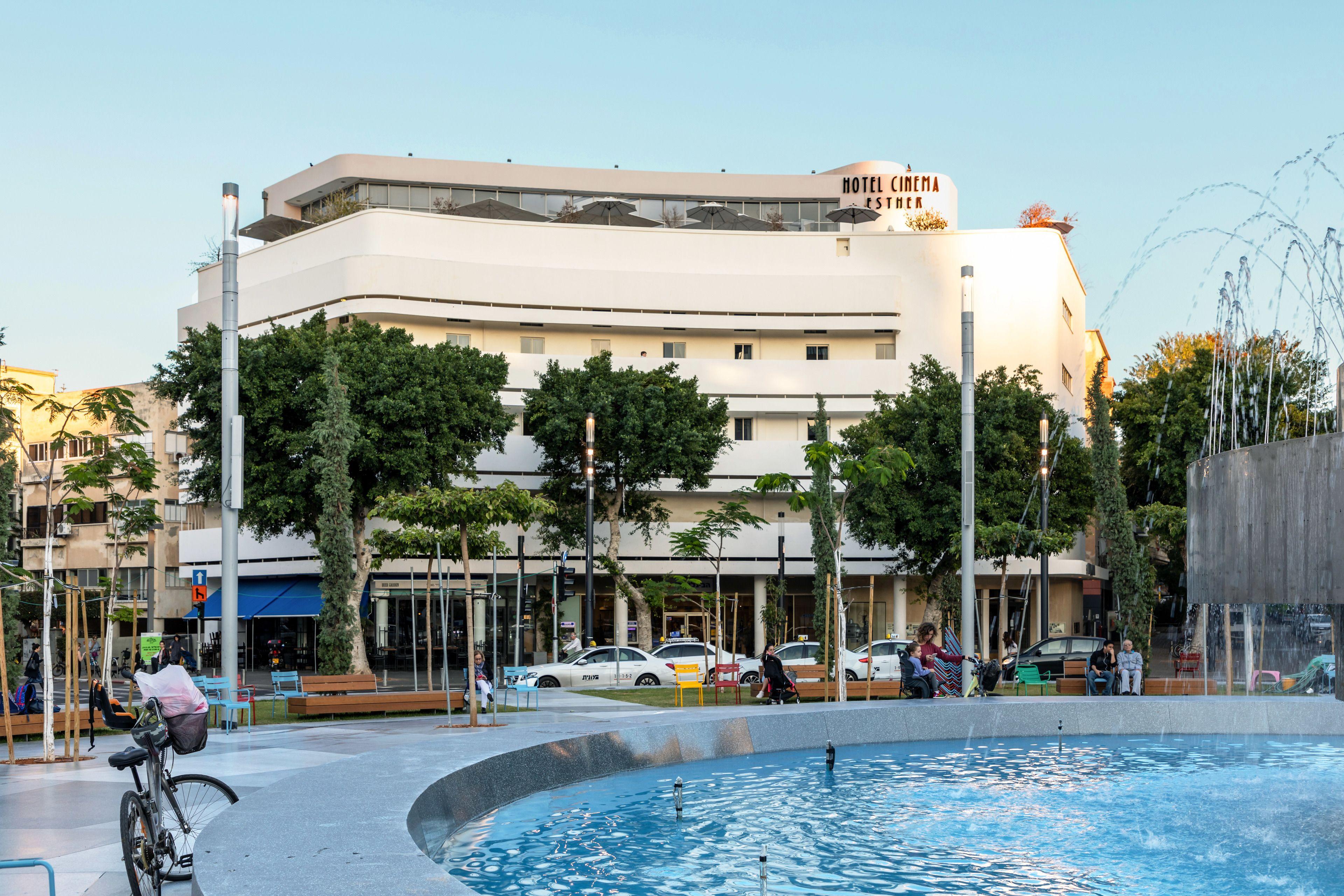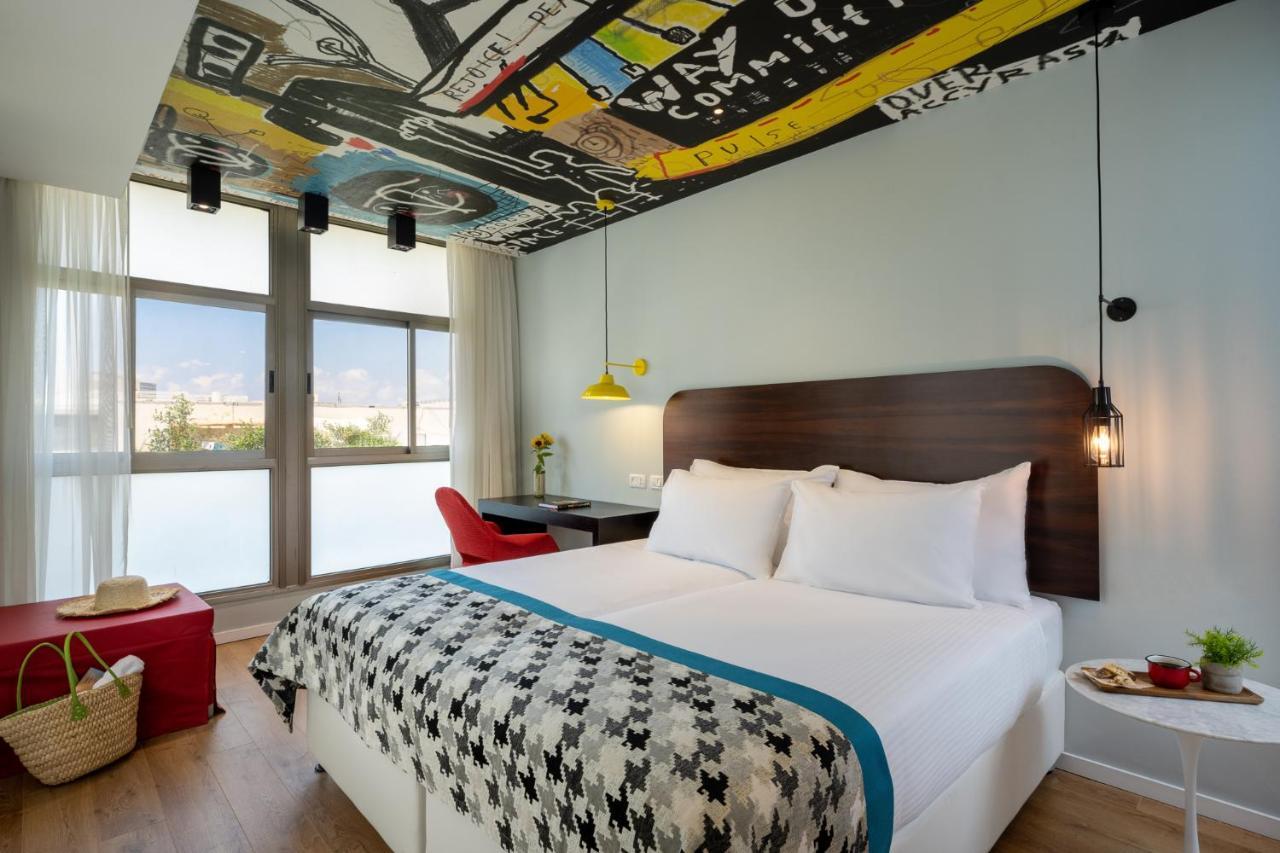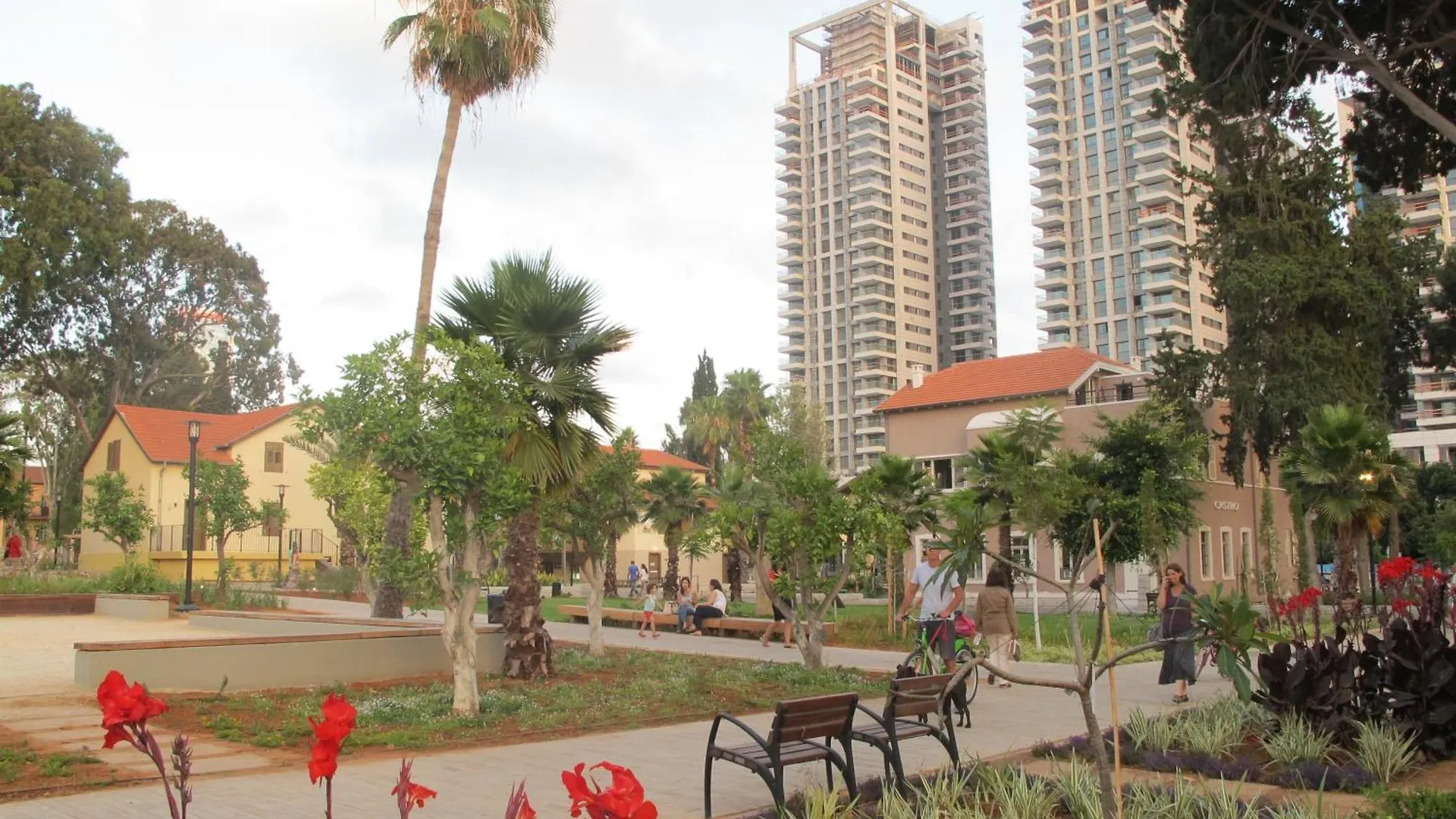
Tel Aviv City-Centre is home to two Crowne Plaza properties that serve very different traveller profiles - one anchored by the Azrieli tower complex and HaShalom train station, the other planted directly on the Mediterranean seafront promenade. This guide breaks down both options so you can book the one that actually fits your itinerary, not just the one with the better-looking photos.
What It's Like Staying in Tel Aviv City-Centre
Tel Aviv City-Centre is a high-density, fast-moving urban core where business districts, cultural venues, and transport hubs sit within a compact walkable radius. The area around Derech Menachem Begin and the Ayalon Highway corridor moves at a corporate pace - taxis, light-rail connections, and buses run frequently, but foot traffic is dominated by office workers rather than leisure crowds. Ben Gurion Airport is around 20 minutes by direct train, making the district unusually convenient for early-morning departures or late arrivals. The seafront end of the centre offers a slower tempo, with beach access and the Herbert Samuel promenade drawing a mix of locals and visitors throughout the day.
Pros:
- * Direct rail access to Ben Gurion Airport from Tel Aviv HaShalom Station, with trains running every few minutes during peak hours
- * Walking distance to Sarona Market, Tel Aviv Museum of Art, and the Rabin Square memorial - all within around 15 minutes on foot
- * The seafront promenade provides immediate beach access without needing transport
Cons:
- * The Azrieli-HaShalom corridor sits between two major highways - ambient traffic noise is present even in upper-floor rooms without soundproofing
- * Street-level restaurant variety near the business district thins out on Friday evenings and Saturdays due to Shabbat closures
- * The city-centre positioning means higher room rates compared to outer Tel Aviv neighbourhoods, with weekend prices particularly elevated on Thursdays and Fridays
Why Choose a Crowne Plaza Hotel in Tel Aviv City-Centre
Crowne Plaza operates at the upper end of the full-service hotel segment in Tel Aviv, and both properties in the city-centre reflect that with branded wellness facilities, business infrastructure, and round-the-clock staffed reception - differentiators that matter when self-check-in boutiques can't match the service depth. Room sizes across both properties run noticeably larger than the average Tel Aviv hotel, with standard kings offering walk-in showers, bathtubs, and soundproofed walls as baseline inclusions. The trade-off is primarily cost: rates at both properties sit meaningfully above the city average, and the flagship amenities (spa, indoor pool, gym) are most valuable if your stay extends beyond two nights.
Pros:
- * Both properties include indoor swimming pools - rare among full-service hotels in this price bracket in the city-centre
- * IHG One Rewards loyalty program points accumulation applies across both hotels, useful for frequent business travellers
- * Soundproofed rooms and 24-hour front desk cover two of the most common city-centre complaints: street noise and late-arrival logistics
Cons:
- * At peak periods, room rates can run around 85% higher than comparable 4-star options in outer Tel Aviv neighbourhoods
- * Spa and pool access is age-restricted to 18+ at the City Center property, limiting use for families travelling with teenagers
- * Elevator congestion during breakfast periods and check-in/check-out windows is a documented issue at the Beach property, adding friction during busy mornings
Practical Booking & Area Strategy
For the business and transport-oriented stay, the Azrieli-HaShalom corridor - along Derech Menachem Begin - is the highest-leverage location in the city-centre: one enclosed pedestrian bridge connects the Crowne Plaza City Center directly to Tel Aviv HaShalom Station, removing any dependence on taxis or ride-hailing for airport runs. The Sarona complex, a restored Templar village turned dining and retail quarter on Elul Street, is a 5-minute walk and serves as the most walkable evening option from this side of the centre. If your itinerary is beach and promenade-first, the Herbert Samuel promenade positioning of the Beach property puts the seafront immediately outside - the old city of Jaffa is a short drive south. Book at least 6 weeks ahead for stays during March-April or September-October, when both leisure and business demand converge and rates spike significantly. January and early March remain the most price-accessible windows, with Sunday nights consistently cheaper than Thursday or Friday across both properties. The Tel Aviv Light Rail Red Line, operational near HaShalom, connects the business district to the beach, Jaffa, and the university quarter without requiring a car.
Best Value Stay
The Crowne Plaza City Center delivers the strongest all-round logistical package for travellers prioritising transport access, central positioning, and a full suite of wellness facilities under one roof.
-
1. Crowne Plaza Tel Aviv City Center By Ihg
Show on map


 Check-infrom 15:00 until 23:59Check-outuntil 11:00
Just a few rooms left at the best rate!
fromILS 675
Best Premium Stay
The Crowne Plaza Tel Aviv Beach positions itself at the seafront end of the city-centre, trading transit convenience for direct Mediterranean access and a more leisure-oriented atmosphere on the Herbert Samuel promenade.
-
2. Crowne Plaza Tel Aviv Beach By Ihg
Show on map


 Check-infrom 15:00 until 23:59Check-outuntil 11:00
Hurry – almost gone at this price!
fromILS 1466
Smart Travel & Timing Advice for Tel Aviv City-Centre
Tel Aviv's city-centre hotel market runs on a fairly predictable seasonal rhythm. March through May and September through November are the peak windows - temperatures are comfortable, major events like Tel Aviv Pride (June) and international business conferences drive occupancy, and both Crowne Plaza properties typically fill well in advance. July and August bring intense heat and humidity that make the Beach property's direct sea access genuinely functional rather than just scenic, while the City Center's air-conditioned connectivity to the Azrieli and Sarona complexes reduces the impact of the heat. January and early March are the most price-accessible months, with rates running around 40% below peak-season averages. For both properties, booking 6 weeks out is the minimum buffer during spring and autumn; last-minute availability tends to appear only on weekday nights outside of conference periods. A stay of 3 nights is the practical minimum to make full use of the spa and wellness facilities and cover both the promenade and the Sarona-Azrieli cluster without feeling rushed. Shabbat (Friday sunset to Saturday night) affects restaurant availability and some local services - factor this into itinerary planning, particularly if you're staying in the business district end of the centre.