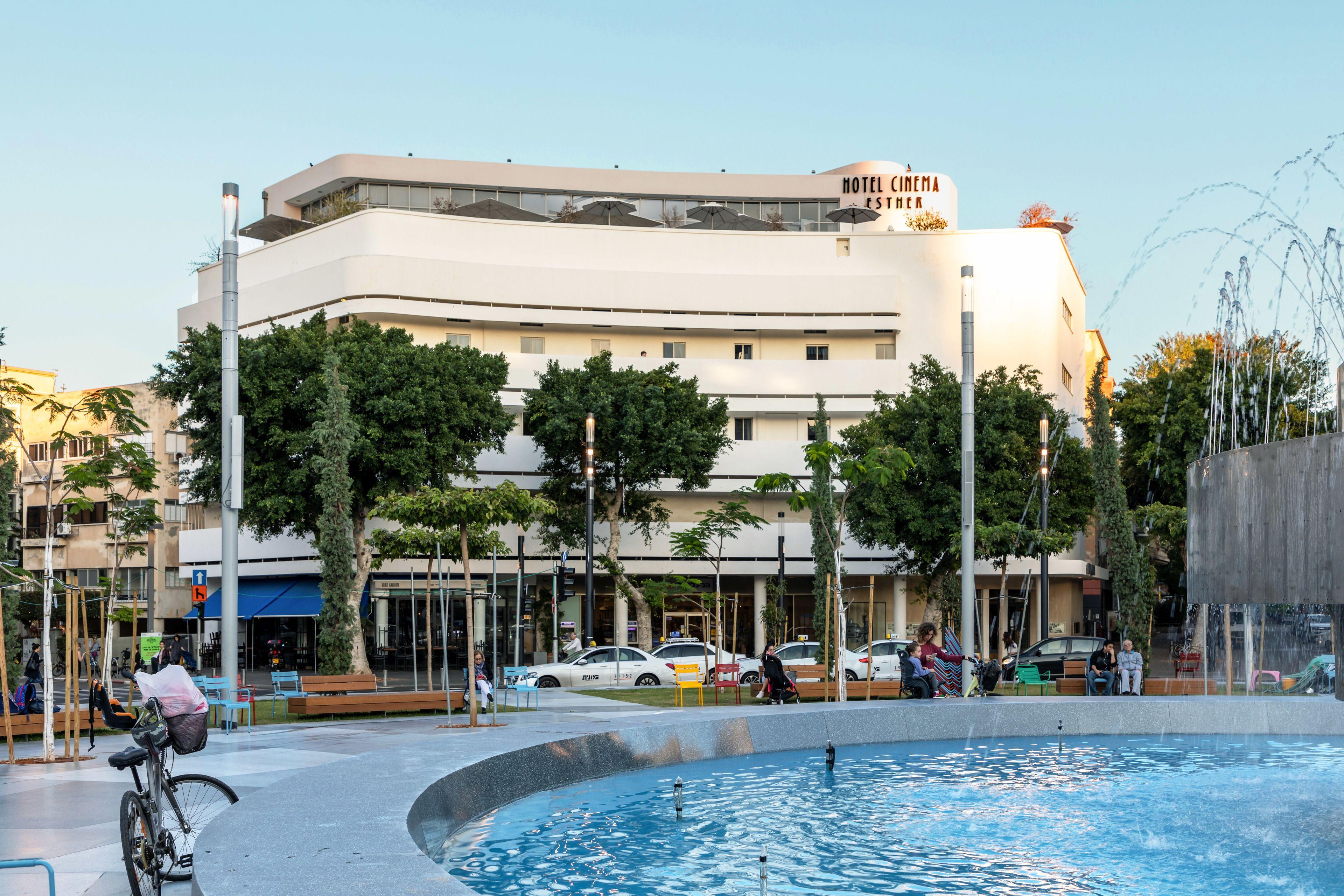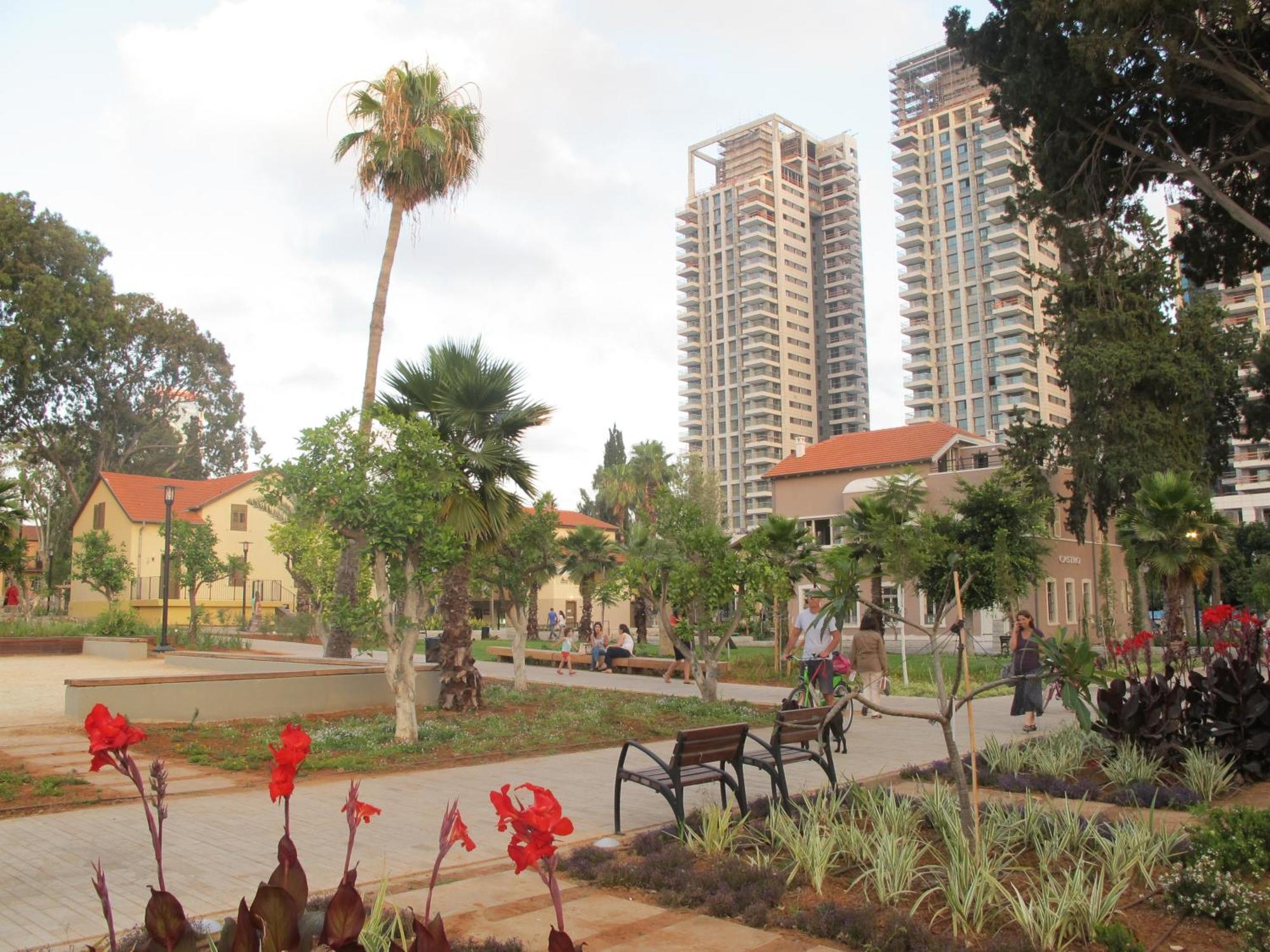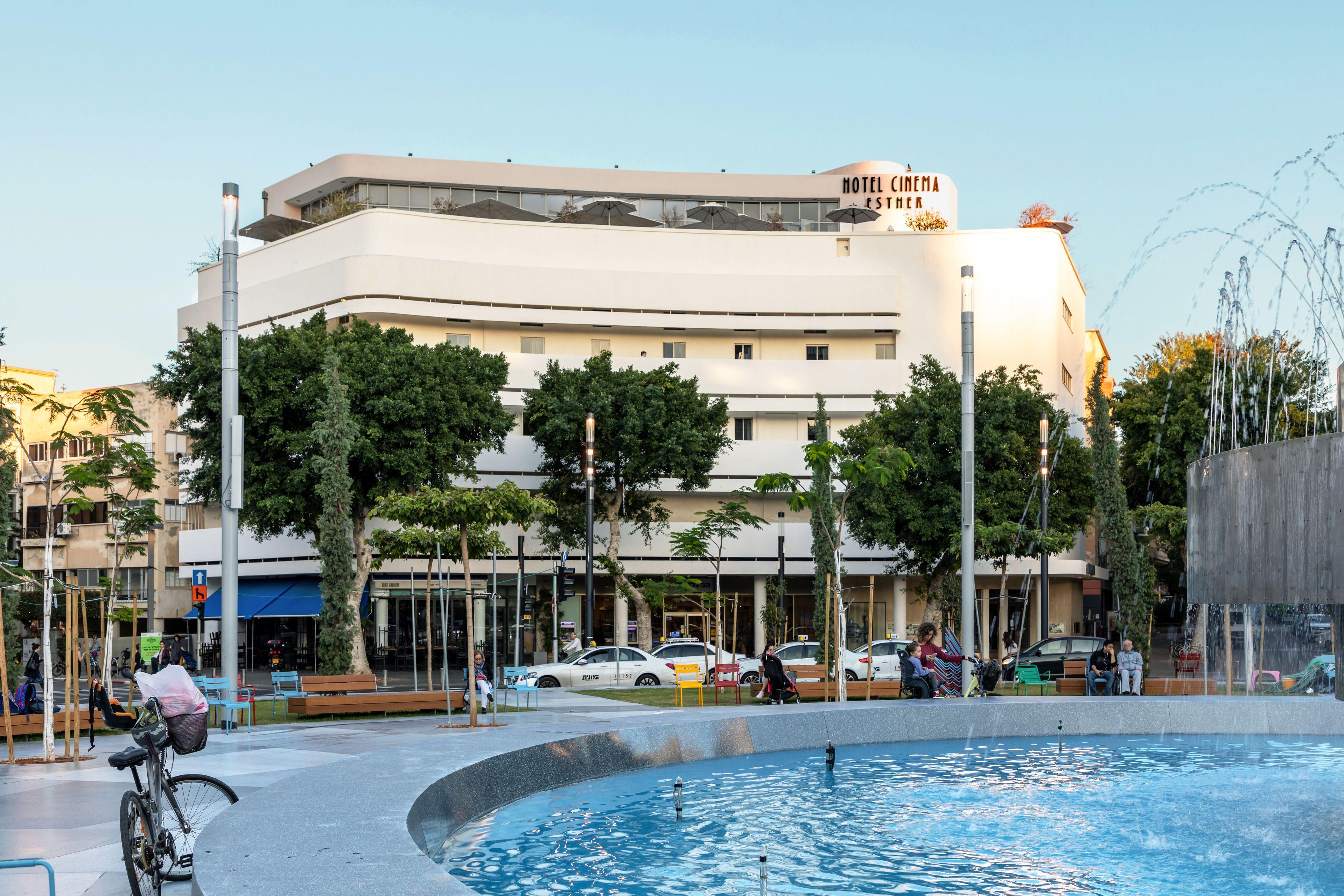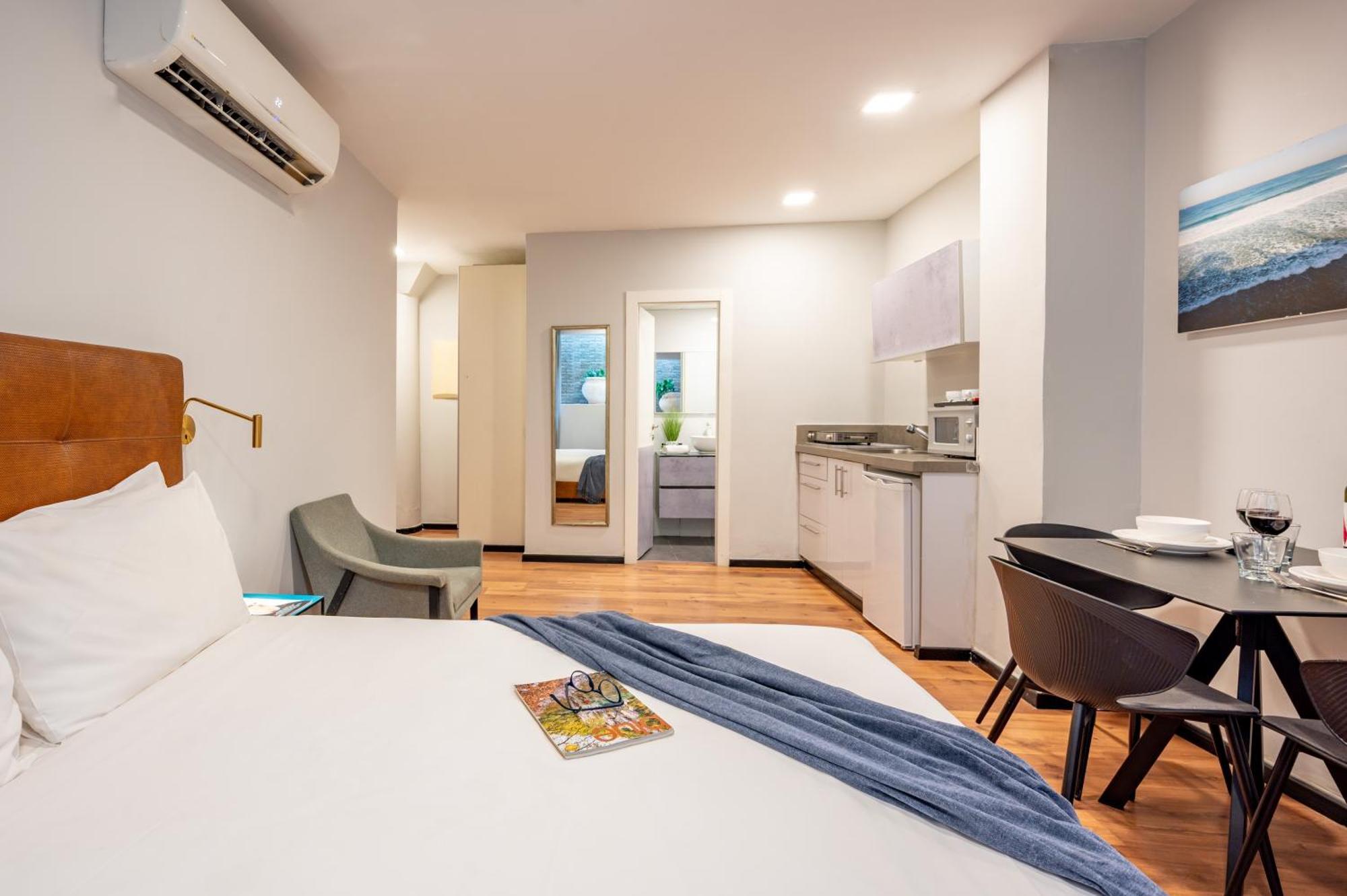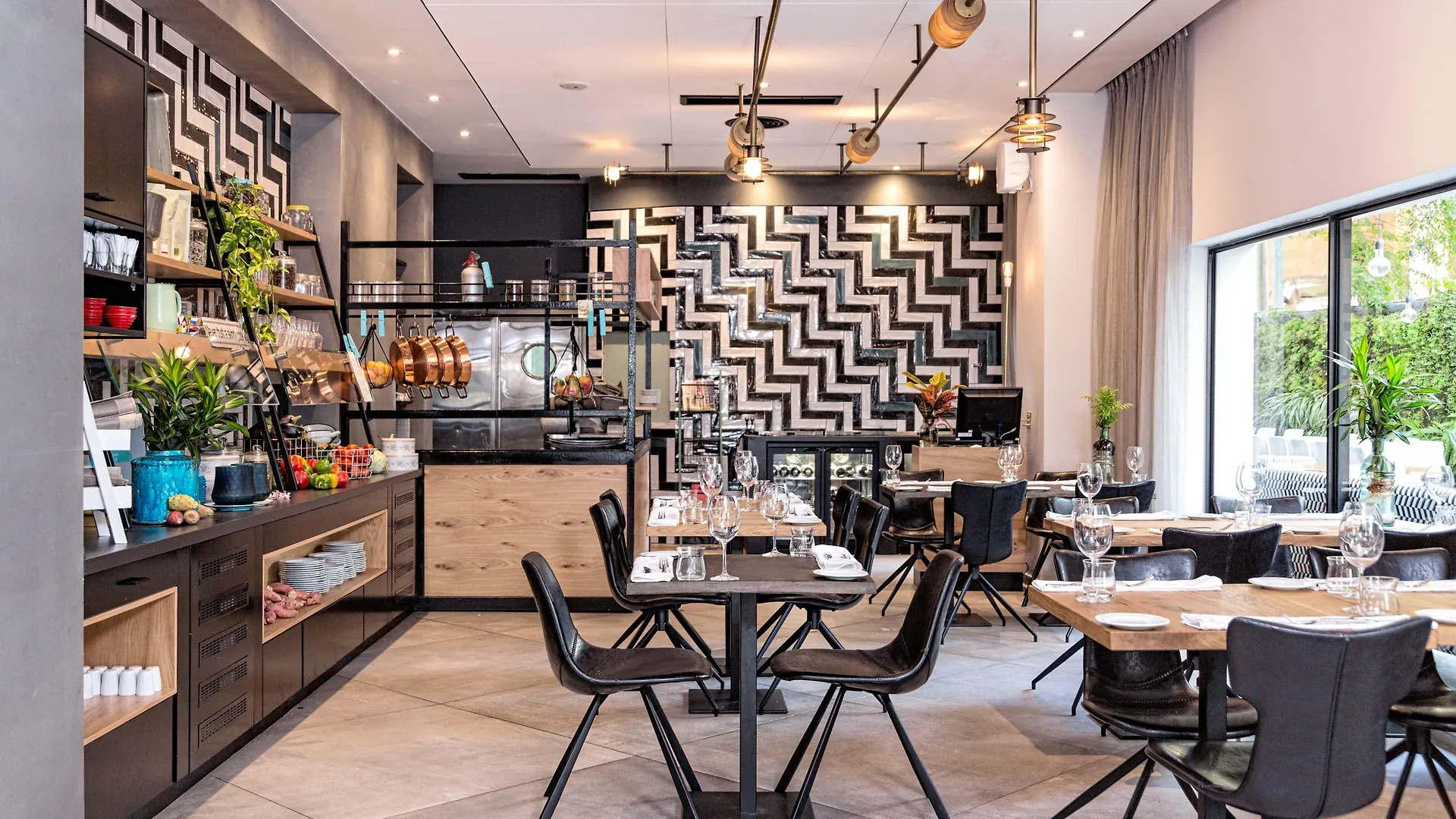
Tel Aviv City-Centre is one of the most walkable urban hotel zones in Israel, placing guests within direct reach of the Mediterranean coastline, Dizengoff Street's commercial corridor, and the cultural density of Rothschild Boulevard - all without relying on taxis or public transit. Prima Hotels Israel operates four properties across this zone, each positioned differently relative to the beach, shopping, and city infrastructure. This guide breaks down what each property actually delivers, who each one suits, and how to choose between them based on location, room setup, and practical trade-offs.
What It's Like Staying in Tel Aviv City-Centre
Staying in Tel Aviv City-Centre means most of what you need is on foot - the beach, restaurants, street markets, and the Dizengoff commercial strip are all reachable without transport. The area runs on a morning-to-late-night rhythm: beach activity from 07:00, café culture through the afternoon, and a busy restaurant and bar scene that keeps streets lively well past midnight on weekends. Friday afternoons bring a noticeable surge in foot traffic as Shabbat preparations begin, and some businesses reduce hours, which affects how you structure your day. Visitors who want cultural density, coastal access, and urban convenience in one walkable zone will get exactly that here - those prioritising silence or resort-style isolation will find the city pulse intrusive.
Pros:
- Walking access to Frishman and Gordon beaches without needing any transport
- Dense concentration of restaurants, cafés, and markets within a few blocks
- Central position makes day trips to Jaffa, Neve Tzedek, and the port straightforward
Cons:
- Street noise from Dizengoff and coastal roads is consistent, especially on weekends
- Parking in this zone is scarce and expensive - around 80 NIS per day in city lots
- Shabbat closures on Friday evenings reduce food and service options noticeably
Why Choose Prima Hotels in Tel Aviv City-Centre
Prima Hotels Israel operates as a domestic brand with a consistent standard across its Tel Aviv portfolio - air-conditioned rooms, free Wi-Fi, and Israeli buffet breakfast are present at nearly every property, which removes common budget uncertainties. Compared to international chain hotels in the same zone, Prima properties tend to offer more competitive room rates while maintaining mid-range facilities, making them a practical anchor for travellers who want reliability without paying five-star premiums. Room sizes across the Prima City-Centre portfolio are generally adequate rather than generous - this is a dense urban environment, and square footage is traded off against location access. The brand's spread across multiple micro-locations in the centre also gives travellers a genuine choice between beachfront positioning, shopping-district proximity, and quieter residential adjacency.
Pros:
- Consistent inclusion of Israeli breakfast across properties - a substantial meal that reduces daily food costs
- Multiple locations within the same brand allow direct comparison without switching booking platforms
- Mid-range pricing relative to comparable beachfront and central Tel Aviv hotels
Cons:
- Room sizes reflect urban density - not suitable for travellers expecting resort-scale space
- Facilities vary meaningfully between properties; not all Prima hotels here have a restaurant or bar
- Peak season rates in summer can narrow the price gap with higher-tier competitors
Practical Booking & Area Strategy
For beach proximity, hotels on or near HaYarkon Street - the coastal road running parallel to the Tel Aviv shoreline - put guests within a 2-minute walk of the sand, which matters most for early-morning swimmers and families. Dizengoff Street and Ben Yehuda Street form the main commercial spine of the centre; properties within one block of these corridors give the best access to supermarkets, pharmacies, and casual dining without needing transport. The area is well-served by Dan Bus lines and the Tel-O-Fun bike-share network, and Ben Gurion Airport is around 20 kilometres south - a taxi or sherut (shared taxi) ride of about 40 minutes depending on traffic. Book at least 6 weeks ahead for July and August stays, when demand from domestic and international visitors peaks simultaneously and availability at mid-range properties tightens sharply. The Nachalat Binyamin Crafts Fair (open Tuesdays and Fridays) and the Carmel Market on Sheinkin Street are both within walking distance of the southern Prima properties, adding practical reasons to position yourself in the lower centre rather than the northern beachfront strip.
Best Value Stays
These properties offer strong location credentials and solid day-to-day functionality at rates that sit below the beachfront premium - suited to travellers who want central access without paying for a sea view.
-
1. Prima City Hotel
Show on map


 Check-infrom 15:00 until 23:59Check-outuntil 11:00
Just a few rooms left at the best rate!
fromILS 420
-
2. Hotel 75 By Prima Hotels
Show on map


 Check-infrom 15:00 until 23:59Check-outuntil 11:00
Just a few rooms left at the best rate!
fromILS 362
Best Premium Stays
These two properties carry stronger location advantages or enhanced facilities - beachfront positioning, sea-view rooms, or a quieter residential micro-location with premium breakfast ratings.
-
3. Prima Tel Aviv Hotel
Show on map


 Check-infrom 15:00 until 23:59Check-outuntil 11:00
Hurry – almost gone at this price!
fromILS 280
-
4. Hotel Jacob Samuel By Prima Hotels
Show on map


 Check-infrom 15:00 until 23:59Check-outuntil 11:00
Rooms filling fast – secure the best rate!
fromILS 569
Smart Travel & Timing Advice for Tel Aviv City-Centre
July and August are the peak months for Tel Aviv City-Centre hotels - domestic Israeli holidaymakers combine with international summer tourists, and mid-range properties like the Prima portfolio can reach full occupancy weeks in advance. Rates during this window rise by around 40% compared to spring shoulder season, and room selection narrows significantly if you book within 2 weeks of arrival. March to May and October to November offer the most balanced conditions: Mediterranean temperatures remain warm enough for beach use, the city's cultural calendar is active, and hotel pricing is more negotiable. Avoid booking the night before or of Rosh Hashanah and Passover without advance planning - these are high-demand periods that spike pricing and reduce availability across all categories. A stay of 4 nights is the practical minimum for this district to justify the central positioning; shorter stays don't allow enough time to walk the full Rothschild-to-beach corridor, explore Jaffa, and settle into the city's rhythm without rushing.