Location in Israel isn't just about convenience - it determines whether you walk to the beach, the Old City walls, or a UNESCO-listed garden in under five minutes. This guide covers four hotels with consistently high location ratings across Tel Aviv, Haifa, and Acre, helping you match your stay to the Israel you actually want to experience.
What It's Like Staying in Israel
Israel compresses an extraordinary range of landscapes into a country smaller than New Jersey - Mediterranean coastline, the Negev desert, the Sea of Galilee, and the Judean Hills are all reachable within a few hours by car. Tel Aviv, Haifa, and Jerusalem each attract a very different type of visitor: Tel Aviv for its beach culture and nightlife, Jerusalem for religious and archaeological depth, and Haifa as the gateway to the Galilee region and the Baháʼí World Centre. Crowd patterns shift sharply around Jewish holidays like Passover and Rosh Hashanah, when domestic travel surges and prices rise across the board.
Pros:
- Concentration of landmarks: archaeological sites, UNESCO heritage, and active beaches within short driving distances
- Ben Gurion Airport sits roughly 20 km from central Tel Aviv, making arrivals and departures logistically straightforward
- High density of quality restaurants and markets - especially in Tel Aviv's Carmel Market area and Haifa's German Colony
- Security awareness is a constant travel consideration, especially near border regions and certain neighborhoods in mixed cities
- Friday evenings through Saturday night (Shabbat) see significantly reduced public transport and many closed businesses
- Summer heat along the coast regularly exceeds 32°C, making midday sightseeing uncomfortable without planning
Why Choose a Well-Located Hotel in Israel
In Israel, the difference between a well-located hotel and an average one is measured in time spent in taxis versus time spent actually exploring. Beachfront and Old City-adjacent hotels command a clear premium - typically around 30% more per night compared to properties just two or three blocks further inland or away from heritage zones. However, that premium often eliminates the need for daily transport costs, which in Tel Aviv can add up quickly given limited public parking and expensive rideshares during peak hours.
Pros:
- Walking access to major attractions reduces daily logistics and saves meaningful time on short trips
- Seafront and elevated hilltop hotels in Israel offer natural ventilation and views that justify the price gap on their own
- Centrally located properties in cities like Haifa and Acre put local markets, restaurants, and transport within easy reach
- Prime-location hotels in Tel Aviv's beachfront strip or Jerusalem's Old City perimeter tend to have smaller room sizes relative to price
- Noise from street activity, especially in Tel Aviv's Hayarkon Street area, can be significant on lower floors
- Parking in central Tel Aviv is scarce and expensive - hotels with on-site parking are rare and worth noting when comparing options
Practical Booking & Area Strategy in Israel
Tel Aviv is the obvious base for first-time visitors, combining beach access, nightlife, and proximity to Jaffa's archaeological sites - all walkable from the right hotel on Hayarkon Street. Haifa, often underestimated, offers a quieter base with the Baháʼí Terraces, the German Colony, and Akko (Acre) just 25 km north - making it a strategic hub for exploring the north without the Tel Aviv premium. Acre's Old City, a UNESCO World Heritage Site, rewards travelers who stay inside the walls rather than commuting in from a nearby city, as the atmosphere shifts completely after day-trippers leave by evening.
For the Dead Sea, Masada, and the Negev, the usual approach is a day trip from Tel Aviv or Jerusalem - but book early during Passover week, when hotel availability across the country drops sharply. The best value window for booking in Israel is typically late October through November, when crowds thin and coastal temperatures remain pleasant for walking and sightseeing. Domestic budget carriers connect Tel Aviv to Eilat in under an hour, making a multi-city itinerary practical even on shorter trips.
Tel Aviv: Beachfront & Boutique
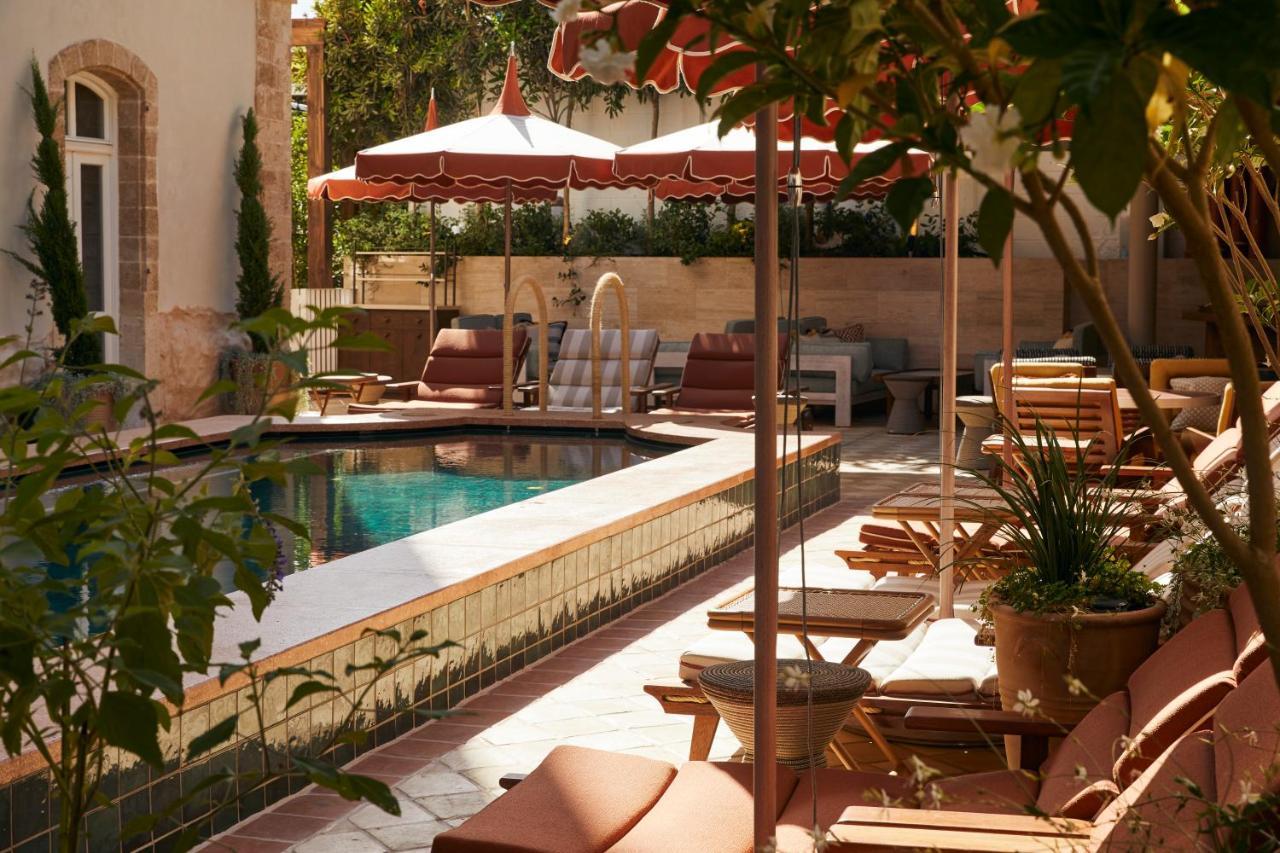
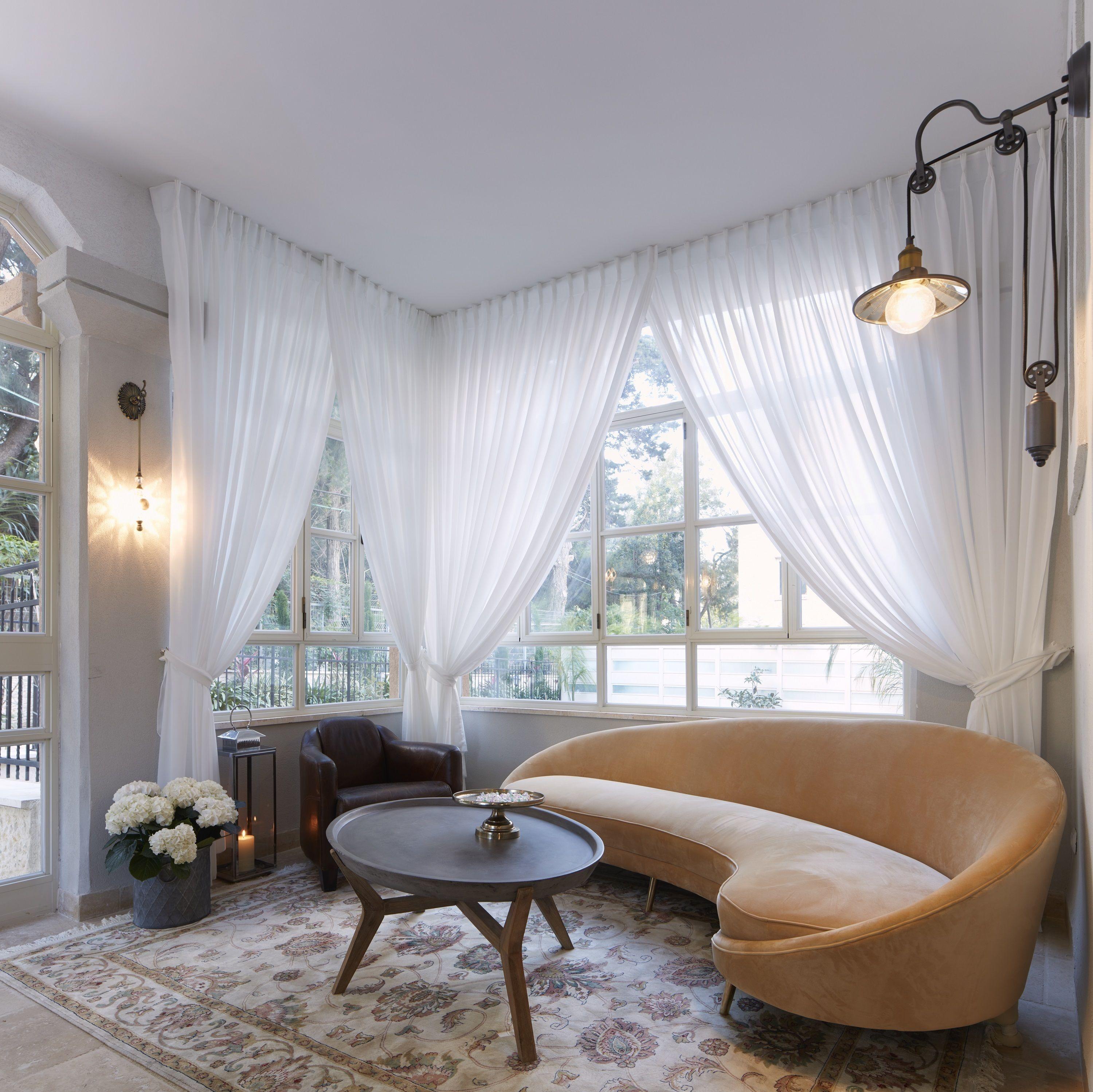
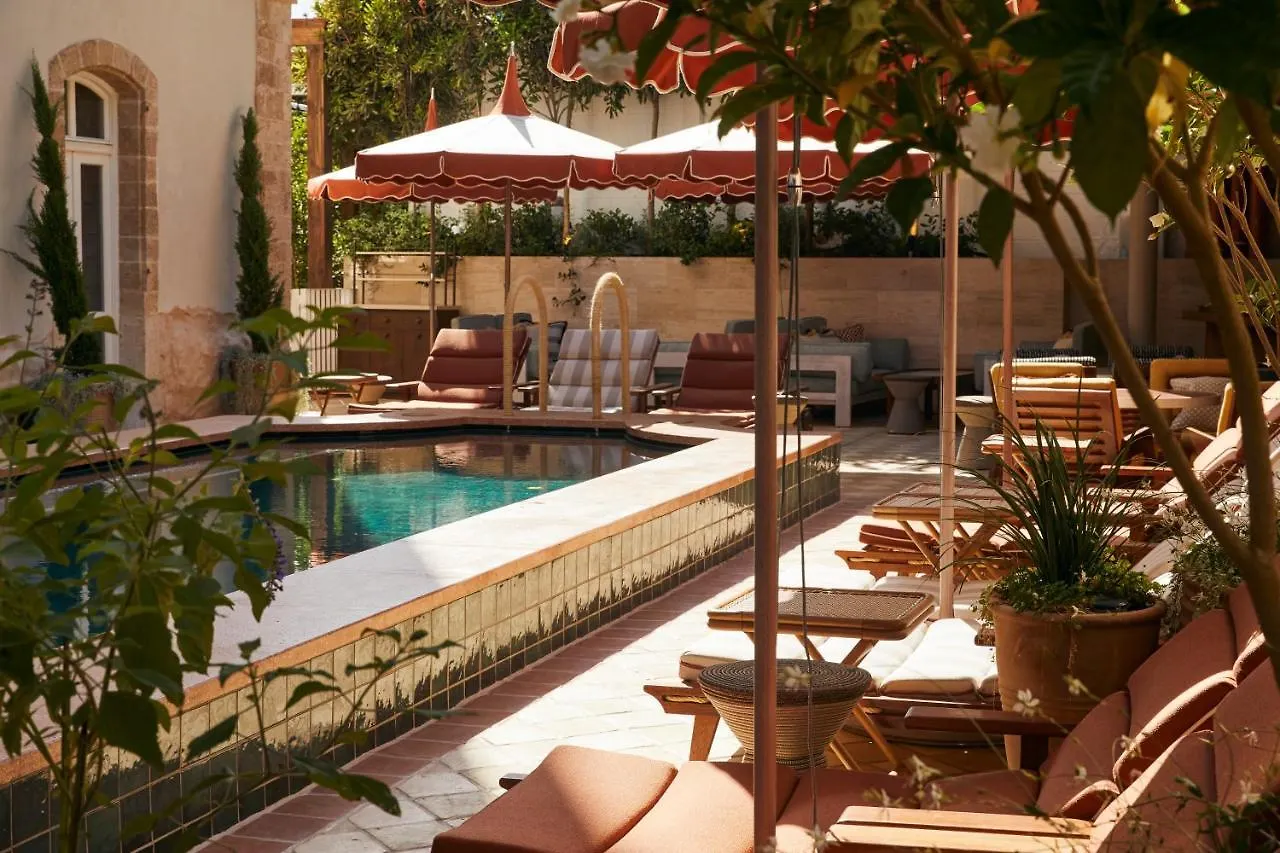
Tel Aviv's seafront strip and the Neve Tzedek neighborhood immediately south of it deliver the highest location scores in the city, with direct beach access and walkability to Jaffa's port and galleries combining in a way that few urban hotel zones in the region can match.
-
1. Soho House Tel Aviv
Show on map


 Check-infrom 15:00 until 23:59Check-outuntil 12:00
Just a few rooms left at the best rate!
fromILS 1470
-
2. Dan Tel Aviv Hotel
Show on map


 Check-infrom 14:00 until 23:59Check-outuntil 12:00
Just a few rooms left at the best rate!
fromILS 994
Haifa & Acre: Northern Israel's Most Location-Driven Stays
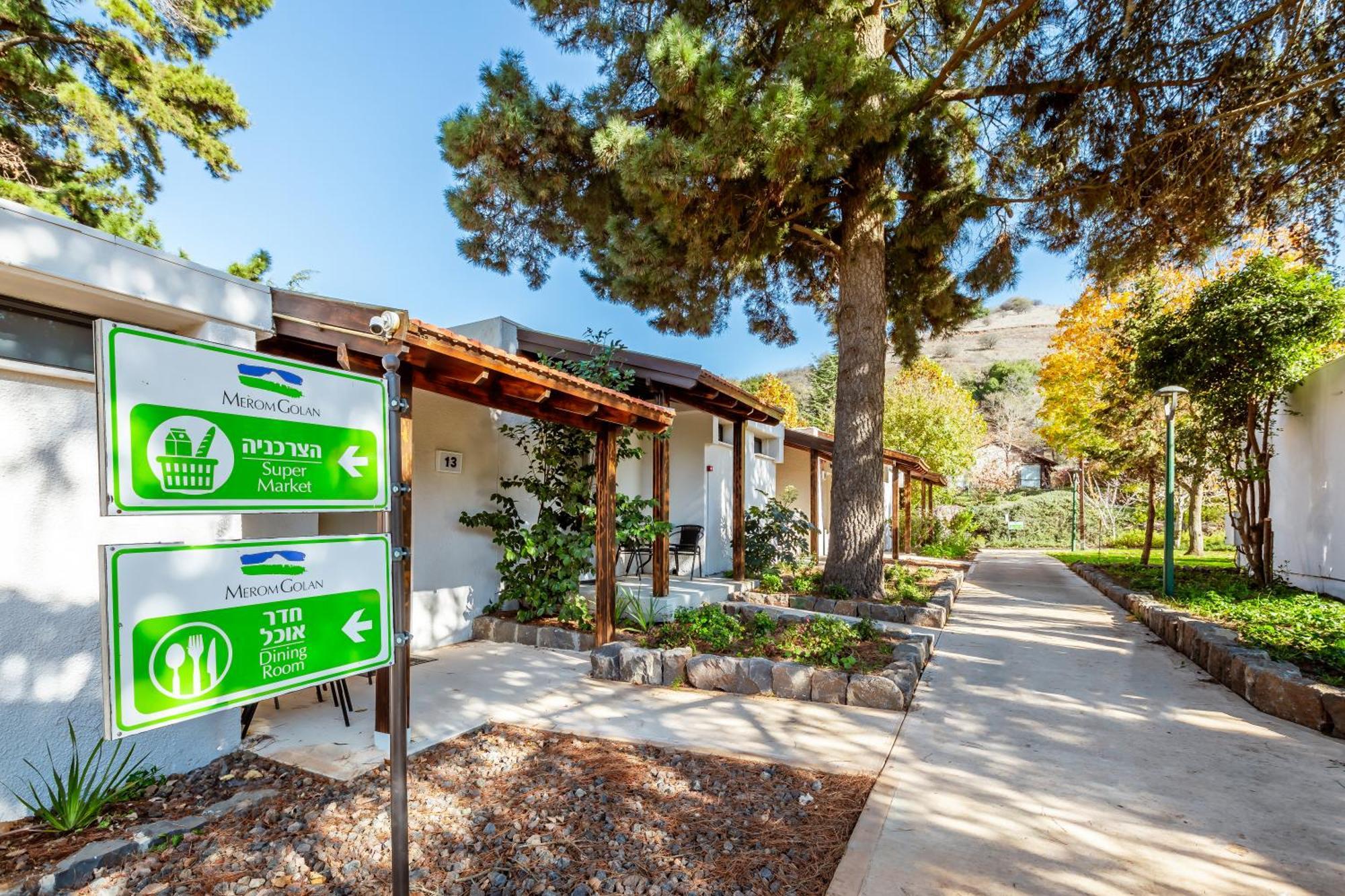
Haifa and Acre offer two distinct types of location advantage - Haifa's elevated Carmel ridge delivers panoramic views over the bay and direct connection to the Baháʼí Terraces, while Acre places guests inside medieval Crusader walls within one of the best-preserved Islamic-period cities in the Middle East.
-
3. Dan Panorama Haifa Hotel
Show on map


 Check-infrom 15:00 until 23:59Check-outuntil 12:00
Hurry – almost gone at this price!
fromILS 485
-
2. Arabesque Arts & Residency
Show on map


 Check-infrom 15:00 until 22:00Check-outfrom 07:00 until 11:00
Rooms filling fast – secure the best rate!
fromILS 700
Smart Travel & Timing Advice for Israel
The most balanced window for visiting Israel is March through May - temperatures are comfortable across all regions, the Jerusalem hills are green, and coastal hotels in Tel Aviv haven't yet hit summer peak pricing. July and August are the most expensive months for beachfront hotels, with Tel Aviv seafront properties often running at near-full occupancy and rates climbing sharply. Passover (typically April) is the single most disruptive booking period - domestic travelers fill hotels nationwide, and last-minute availability in well-located properties essentially disappears.
For northern Israel - Haifa and Acre specifically - October and November deliver the most favorable combination of weather, crowd levels, and room rates, with the added advantage that the Baháʼí gardens remain fully open and the Akko Festival season wraps up by early November. A minimum of 5 nights is generally needed to meaningfully combine Tel Aviv, a day in Jerusalem, and a northern loop including Haifa and Acre without feeling rushed. Early booking - at least 6 weeks ahead for peak periods - is consistently the most effective strategy for securing the best-located rooms rather than the best available rates.