Jerusalem City Centre puts you within walking distance of the Old City walls, the Mahane Yehuda market, and the light rail on Yafo Street - but not all central locations are equal. This guide breaks down what staying in this district actually means, which hotels deliver the best value for their position, and how to book smart depending on your travel dates.
What It's Like Staying in Jerusalem City Centre
Jerusalem City Centre is compact and walkable, but the terrain is hilly and the streets around Jaffa Gate and Ben Yehuda Street get heavily congested on Shabbat and Jewish holidays. The light rail on Yafo Street is the main transit artery, connecting the centre to Yad Vashem, Mount Herzl, and the Central Bus Station in under 20 minutes. Staying here means you trade quieter residential surroundings for immediate access to the Old City, Mamilla Mall, and the Nahalat Shiva dining district - all reachable on foot in under 15 minutes from most properties in this zone. Travellers who prioritise time efficiency over budget will find the central location saves around 40% of daily transit time compared to staying in outlying neighbourhoods like German Colony or Talpiot.
Pros:
- Walking access to the Old City walls, Western Wall, and major religious sites without needing a taxi
- Light rail and bus connections on Yafo Street make cross-city trips straightforward on non-Shabbat days
- High density of kosher restaurants, cafés, and shops within a 5-minute walk of most hotels
Cons:
- Street noise from Yafo Street and Ben Yehuda pedestrian mall is significant, especially on Thursday evenings and Saturdays after Shabbat ends
- Shabbat shuts down most transport and many restaurants from Friday evening to Saturday night, requiring advance planning
- Parking is limited and expensive - hotels with on-site or nearby parking add meaningful convenience
Why Choose Central Hotels in Jerusalem City Centre
Central hotels in Jerusalem City Centre span a wide positioning spectrum - from lean, no-frills urban stays to boutique properties with rooftop wellness areas and full spa facilities. The price gap between a budget central hotel and a mid-range boutique here can exceed 60%, but that premium often buys you substantially larger rooms, breakfast included, and amenities like indoor pools or spa access that budget properties simply don't offer. Room sizes in this district are typically modest by international standards - expect compact layouts in most three-star properties - but location efficiency compensates for square footage in most travel scenarios. Hotels built in restored historic buildings, like 19th-century villas, tend to charge more but deliver a character that modern budget chains cannot replicate in this district.
Pros:
- Staying central eliminates the daily cost and time of taxis or ride-shares to the Old City and key religious sites
- Several central hotels include kosher breakfast, a practical advantage given limited early-morning dining options in the area
- Mid-range and premium central hotels offer spa, pool, and wellness facilities that are rare in this dense urban zone
Cons:
- Budget central hotels often occupy upper floors without lifts - an important consideration for travellers with mobility needs or heavy luggage
- Room sizes in the city centre are consistently smaller than equivalent-priced hotels in newer outer neighbourhoods
- High foot traffic near Jaffa Gate and Ben Yehuda means even well-rated hotels can feel noisy during peak visiting hours
Practical Booking & Area Strategy for Jerusalem City Centre
The most strategically positioned hotels in Jerusalem City Centre sit between King George Street and Jaffa Gate, placing guests within a 10-minute walk of both the Old City and the Ben Yehuda pedestrian mall. Properties along or just off Yafo Street benefit from direct light rail access, which is the only reliable public transit option during high-traffic periods. For visits during Passover, Sukkot, or the High Holidays, book at least 8 weeks in advance - occupancy in this district reaches near-full capacity during these periods, and rates spike sharply. Nahalat Shiva, a 2-minute walk from Ben Yehuda Street, is the most walkable dining and nightlife cluster in the centre, making proximity to this neighbourhood a meaningful differentiator for travellers who want evening access without relying on taxis. The Western Wall and Church of the Holy Sepulchre are both reachable on foot from central hotels, though the downhill walk into the Old City is easier than the return climb - worth factoring in if you're doing multiple daily visits.
Best Value Stays in Jerusalem City Centre
These hotels deliver strong central positioning at accessible price points, with practical amenities suited to travellers prioritising location and convenience over premium facilities.
-
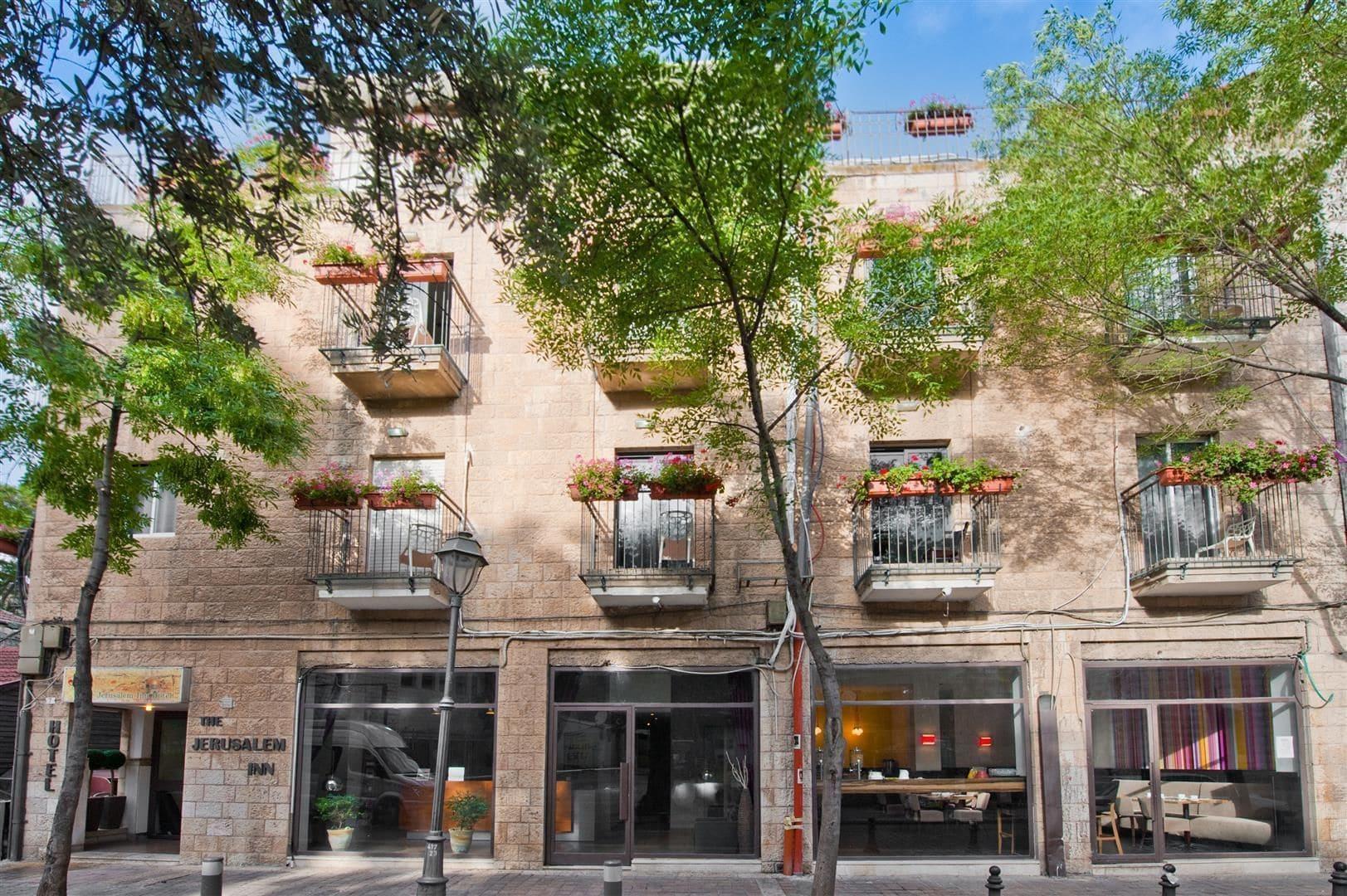
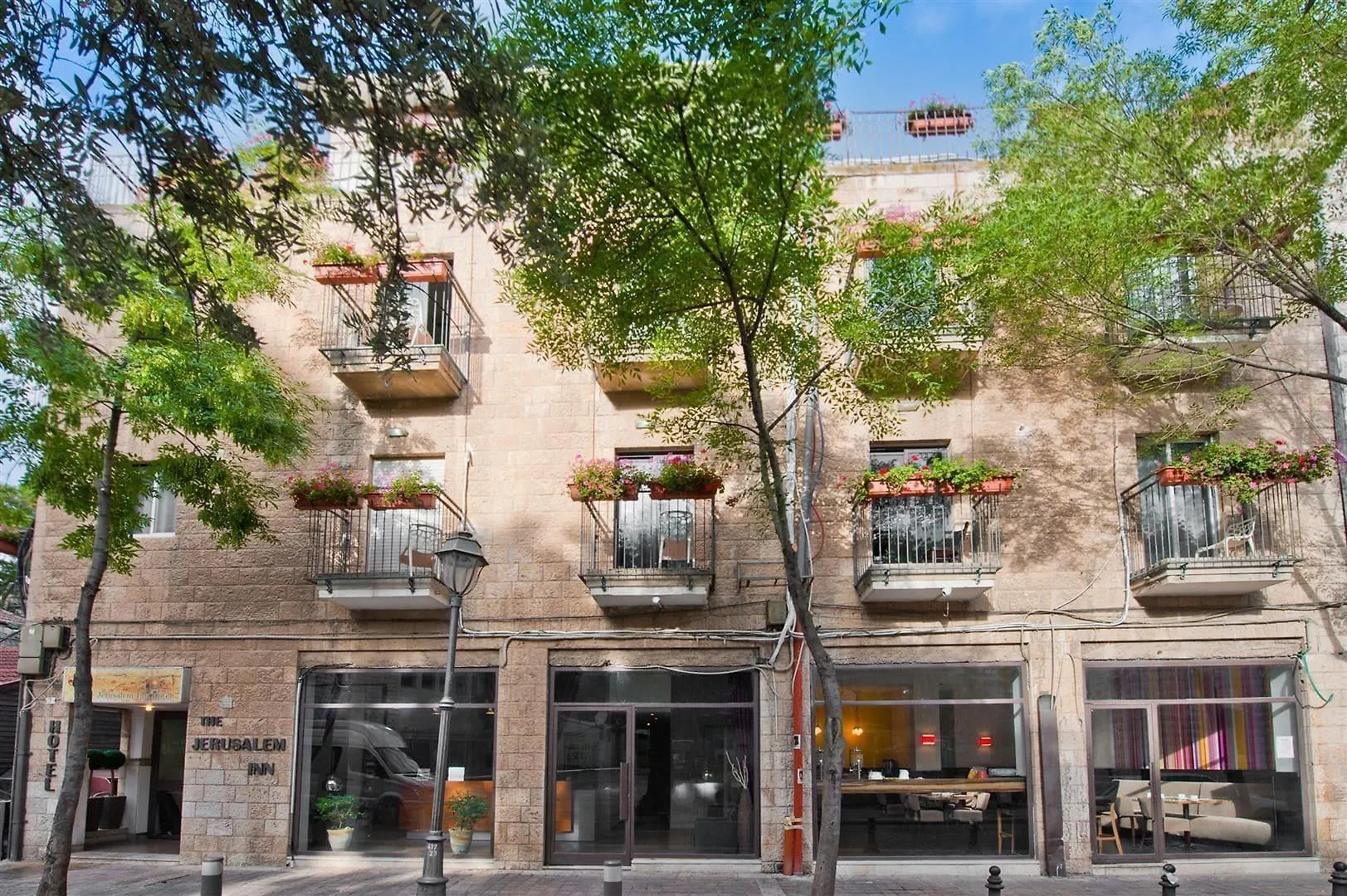
1. Jerusalem Inn By Smart Hotels
Show on map


 Check-infrom 15:00 until 23:59Check-outuntil 11:00
Just a few rooms left at the best rate!
fromILS 221
-
2. Ibis Jerusalem City Center - An Accorhotels Brand
Show on map


 Check-infrom 15:00 until 23:59Check-outuntil 11:00
Just a few rooms left at the best rate!
fromILS 2001
-
3. Ibis Styles Jerusalem City Center - An Accorhotels Brand
Show on map


 Check-infrom 15:00 until 23:59Check-outfrom 06:00 until 11:00
Hurry – almost gone at this price!
fromILS 540
Best Premium Stays in Jerusalem City Centre
These properties go beyond location to offer wellness facilities, boutique character, or upscale dining - representing the top tier of central Jerusalem hotel accommodation.
-
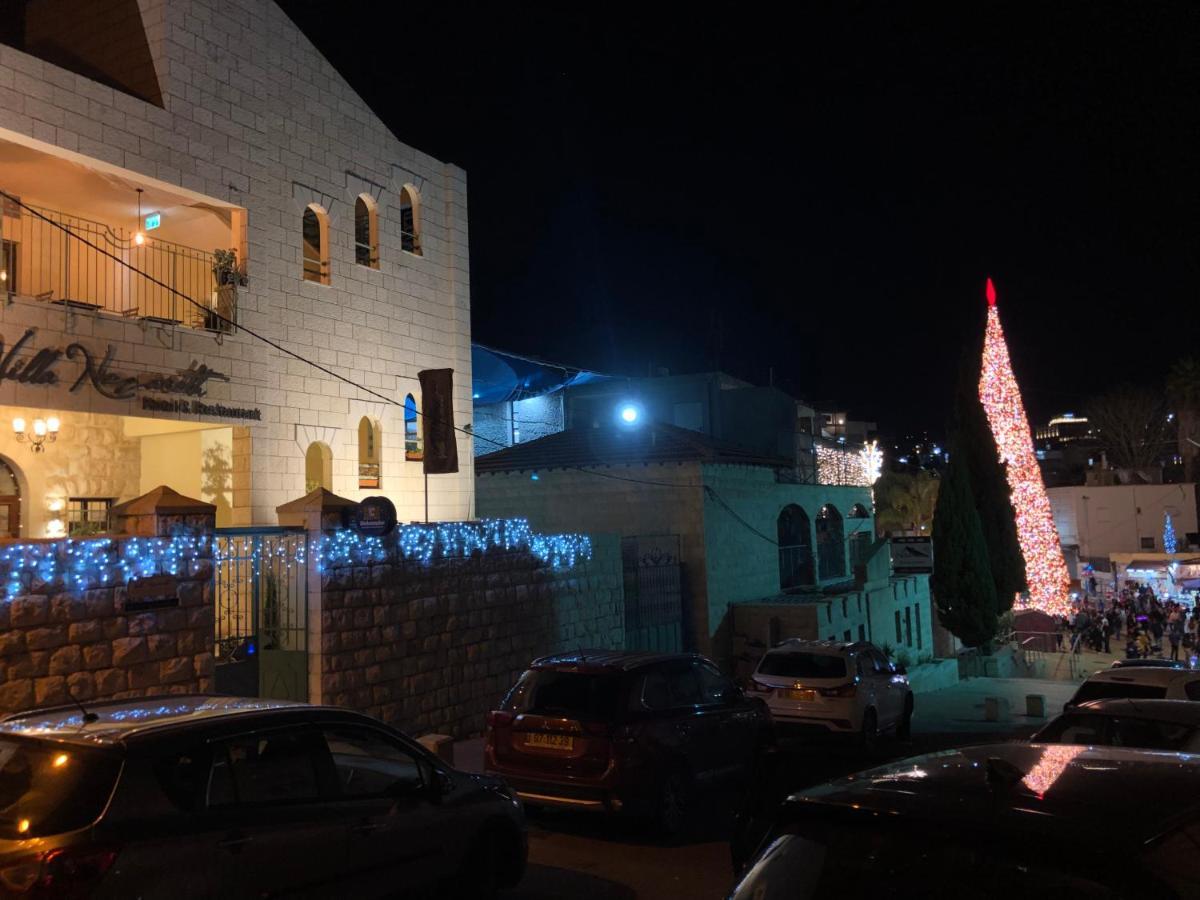
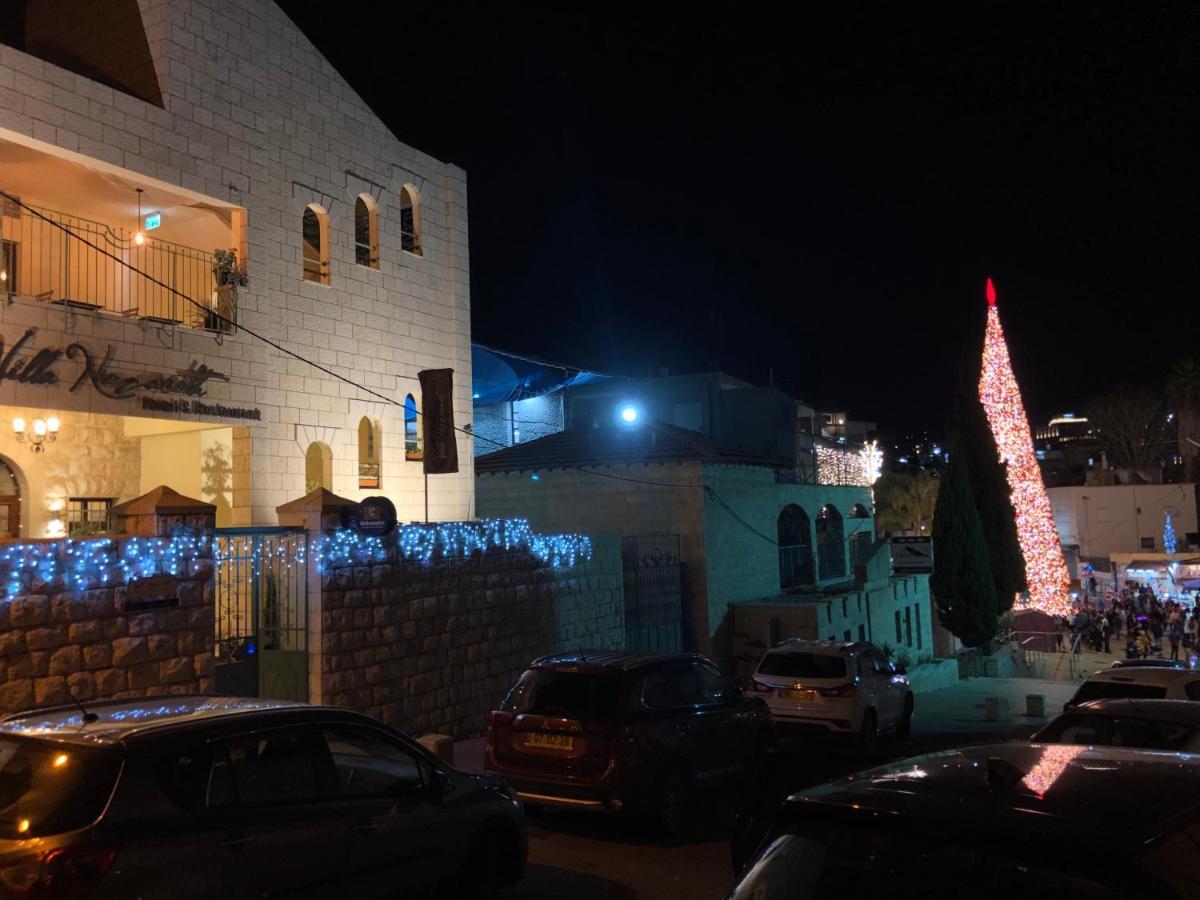
4. Villa Brown Jerusalem, A Member Of Brown Hotels
Show on map


 Check-infrom 15:00 until 23:59Check-outuntil 12:00
Hurry – almost gone at this price!
fromILS 809
-
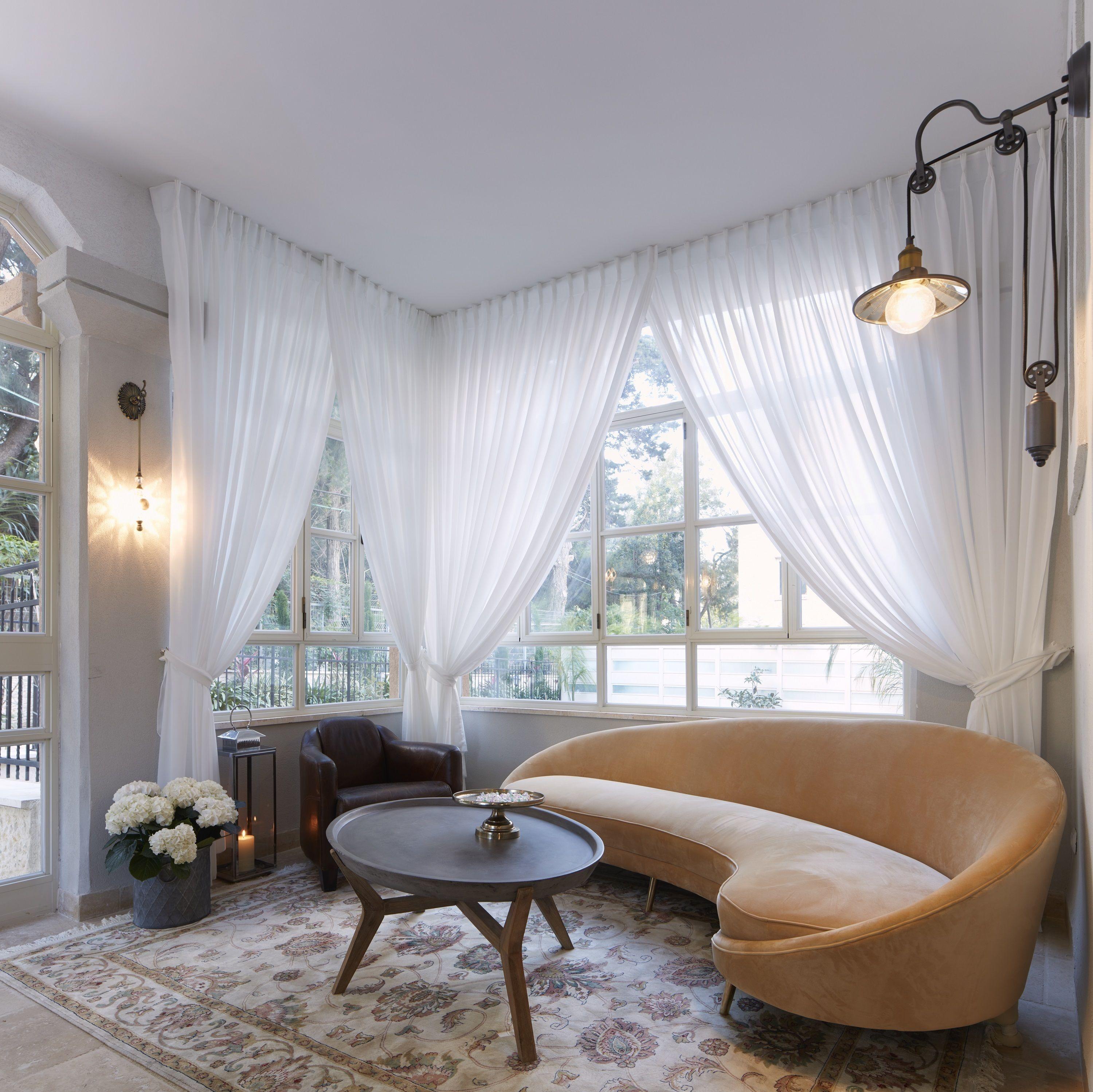
5. Herbert Samuel Jerusalem
Show on map


 Check-infrom 16:00 until 23:59Check-outuntil 11:00
Rooms filling fast – secure the best rate!
fromILS 803
Smart Timing & Booking Advice for Jerusalem City Centre
Jerusalem City Centre operates on a distinct seasonal rhythm tied to Jewish and Christian religious calendars rather than conventional summer-winter tourism peaks. Passover (March-April) and the High Holiday period (September-October) are the two hardest windows to book - hotel availability in the city centre drops sharply, and rates at mid-range properties can increase by around 50% compared to low-season pricing. The quietest and most cost-efficient period is January through early March, when crowds thin significantly and last-minute availability is realistic even at premium properties. For visits during major holidays, booking 8 weeks out is the minimum viable lead time for central hotels. A stay of 3 nights is typically the practical minimum to cover the Old City, key religious sites, and Mahane Yehuda without feeling rushed - but the compact geography of the city centre means 4 nights allows a noticeably more relaxed pace. Friday afternoon to Saturday night requires specific planning: most restaurants close, transport stops, and the city centre itself becomes both quieter and more atmospheric - a trade-off worth understanding before you finalise your check-in dates.